


For B2B buyers and importers, acacia plywood can be a practical option when they need a stable hardwood plywood structure but also want a competitive price compared with some premium hardwood or birch plywood options.
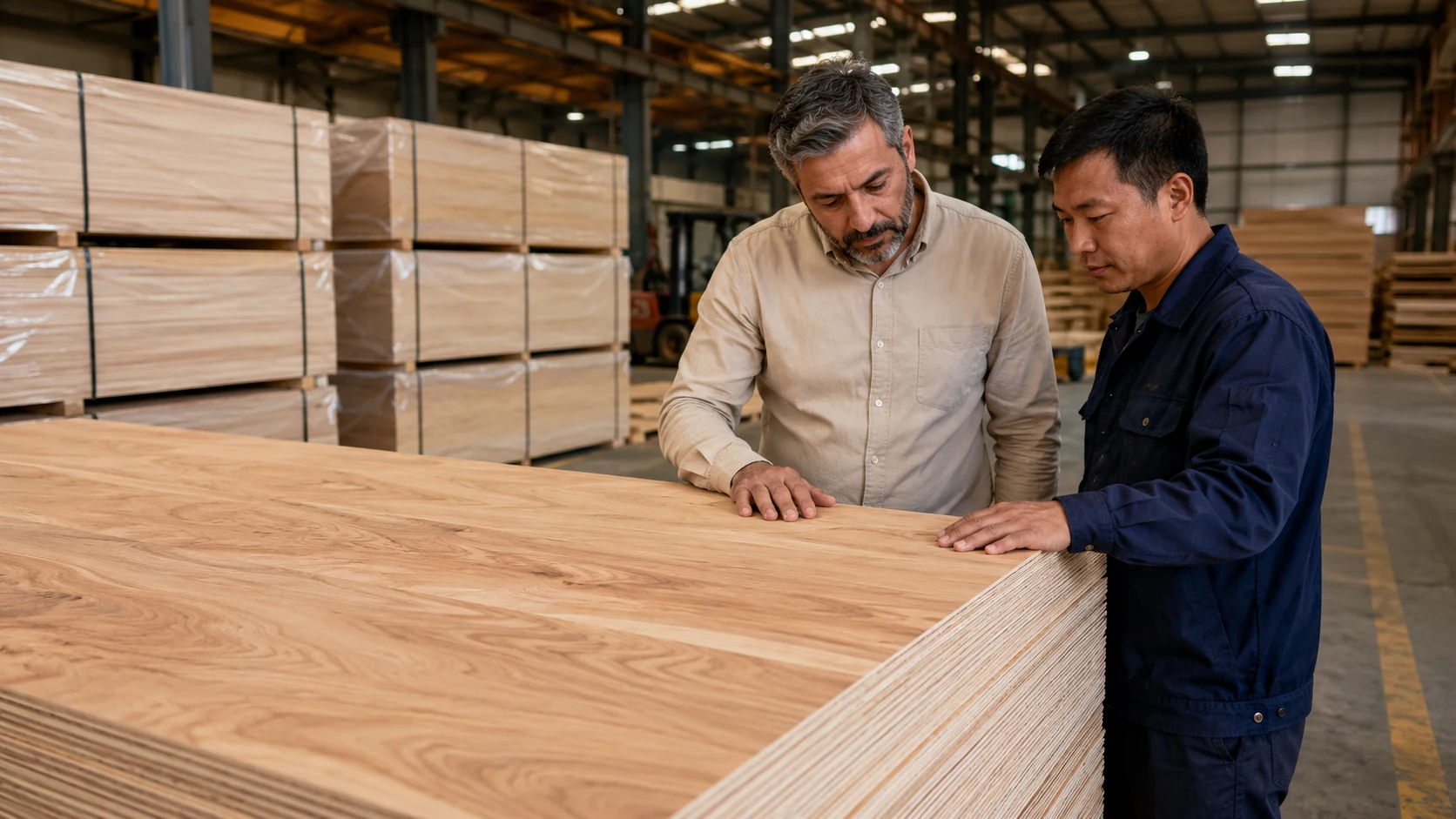
At Kosmex, acacia is one of the core options we can supply for products such as commercial plywood, film faced plywood, and other plywood products for export markets.
What Is Acacia Plywood?
Acacia plywood is plywood manufactured using acacia veneer as part of the internal core or face/back structure. Like other plywood types, it is made by bonding multiple layers of veneer under heat and pressure.
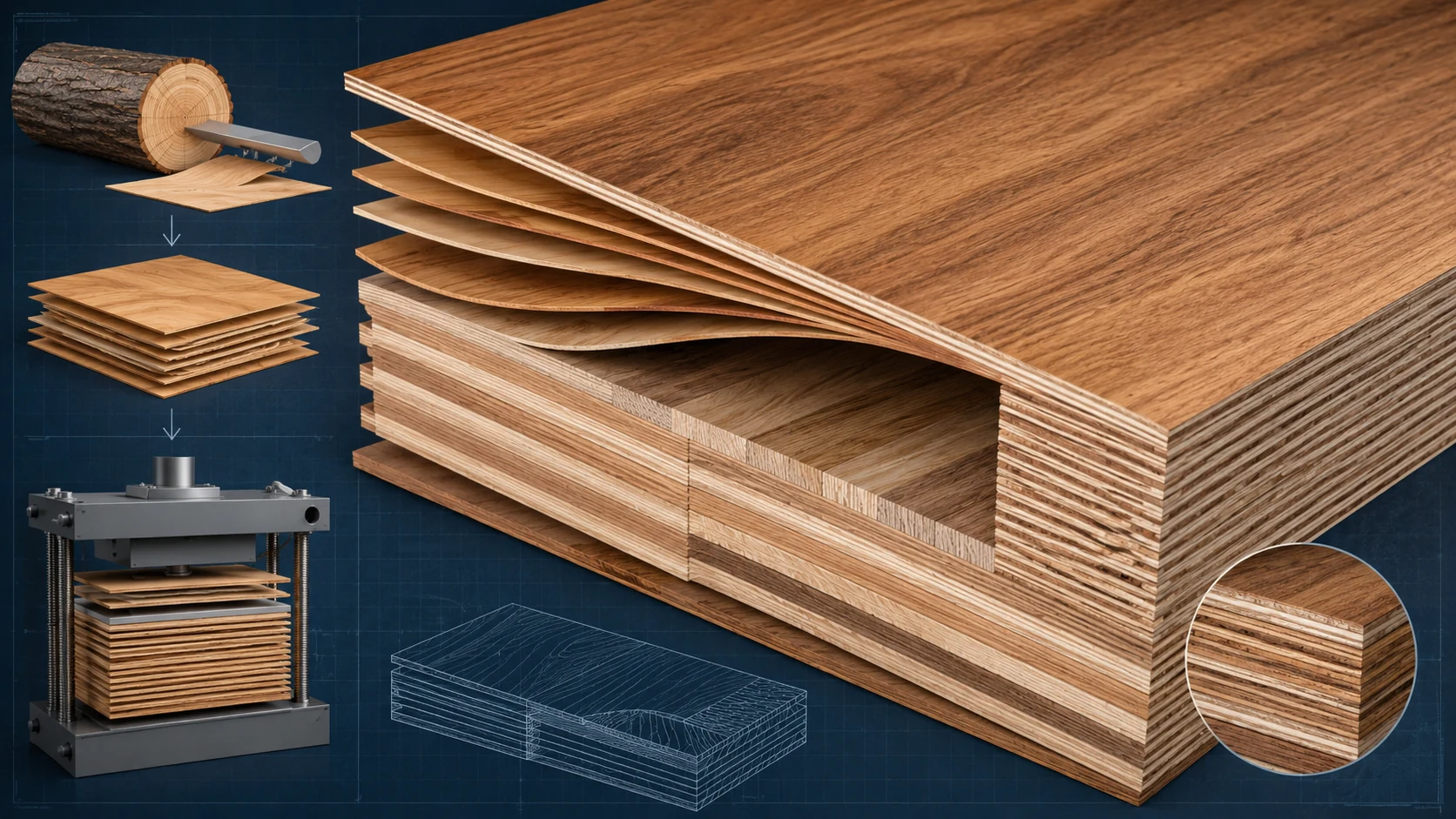
The cross-laminated structure helps improve dimensional stability compared with solid wood. This makes acacia plywood suitable for many B2B applications where buyers need consistent panel size, workable surface, and stable performance.
To understand the general production steps, you can read our guide on the plywood making process.
Main Properties of Acacia Plywood
The exact performance of acacia plywood depends on veneer grade, core structure, glue type, pressing quality, moisture control, and final sanding. However, acacia plywood is commonly valued for the following properties:
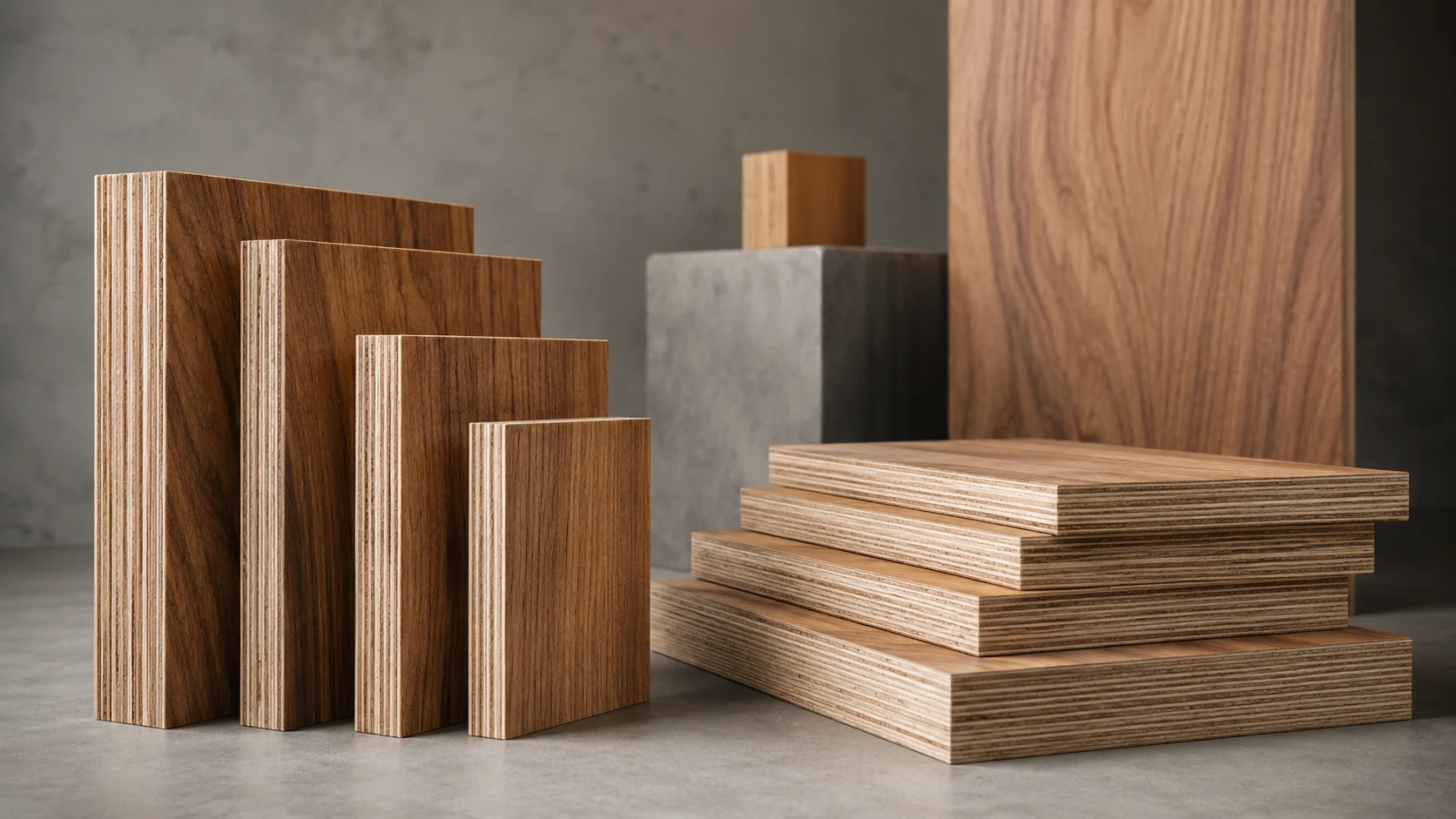
- Good strength-to-price balance.
- Hardwood core structure.
- Suitable for furniture, panels, and construction-related uses.
- Can be used in commercial plywood and film faced plywood structures.
- Workable for cutting, drilling, sanding, and lamination.
- Available for B2B orders with custom thickness and size requirements.
Acacia Plywood Density
Acacia plywood density can vary depending on raw material source, veneer moisture, pressing conditions, and core composition. As a general reference in Kosmex product comparison, acacia plywood density can be around 540–560 kg/m³, while eucalyptus plywood can be around 600 kg/m³ and high-density rubber plywood can be around 700 kg/m³ or above depending on specification.
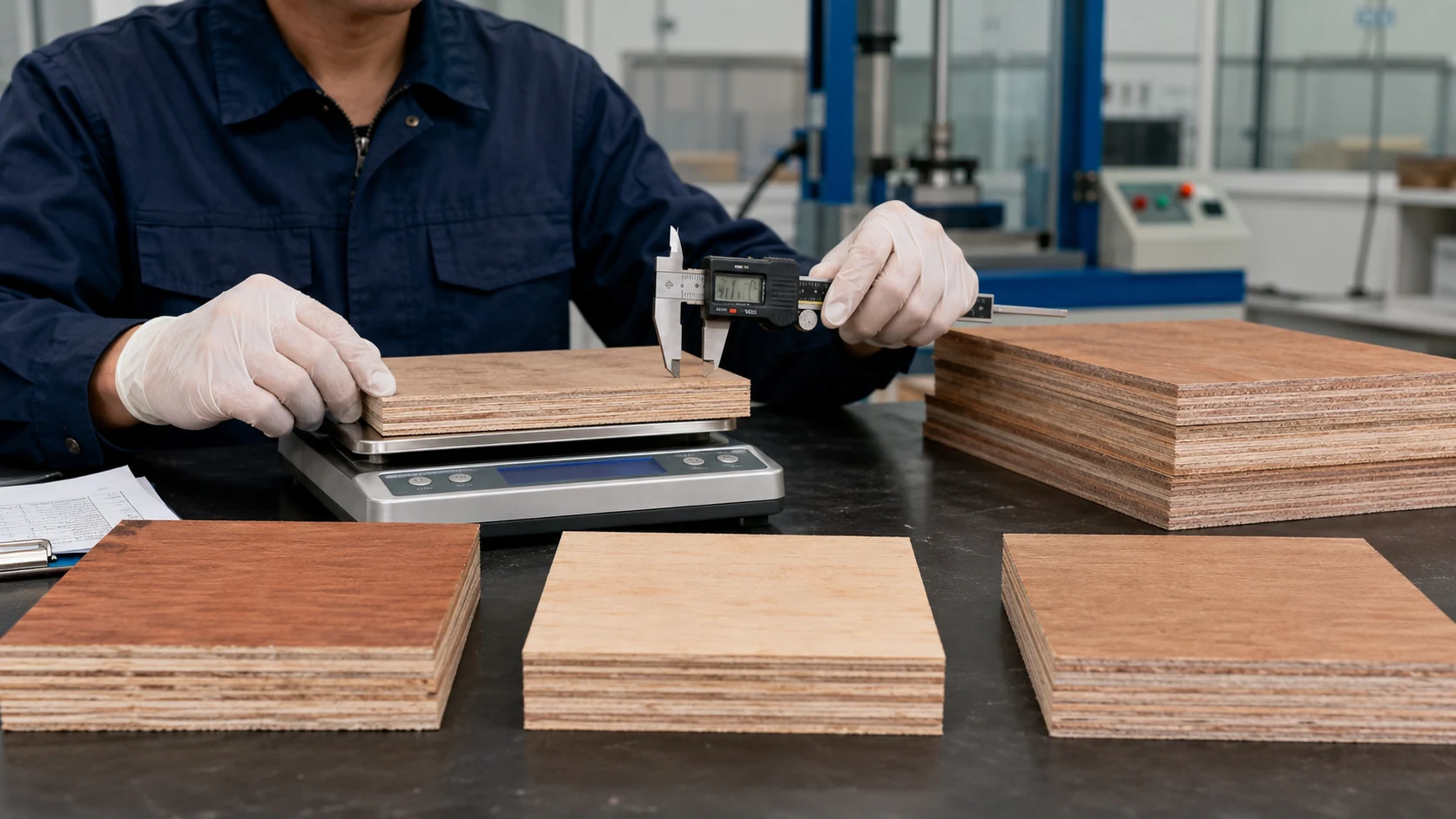
Density is important because it affects:
- Panel weight.
- Load-bearing capacity.
- Screw-holding performance.
- Bending strength.
- Machining and cutting behavior.
- Shipping cost and handling.
Buyers should not choose plywood only by density. A higher-density board is not always the best option for every application. The right choice depends on the required strength, weight limit, glue type, surface quality, and price target.
Acacia Plywood Strength
Acacia plywood strength depends on the quality of the veneer and the core assembly process. A well-made acacia plywood board can provide good structural performance for furniture, panels, packaging, and general construction uses.
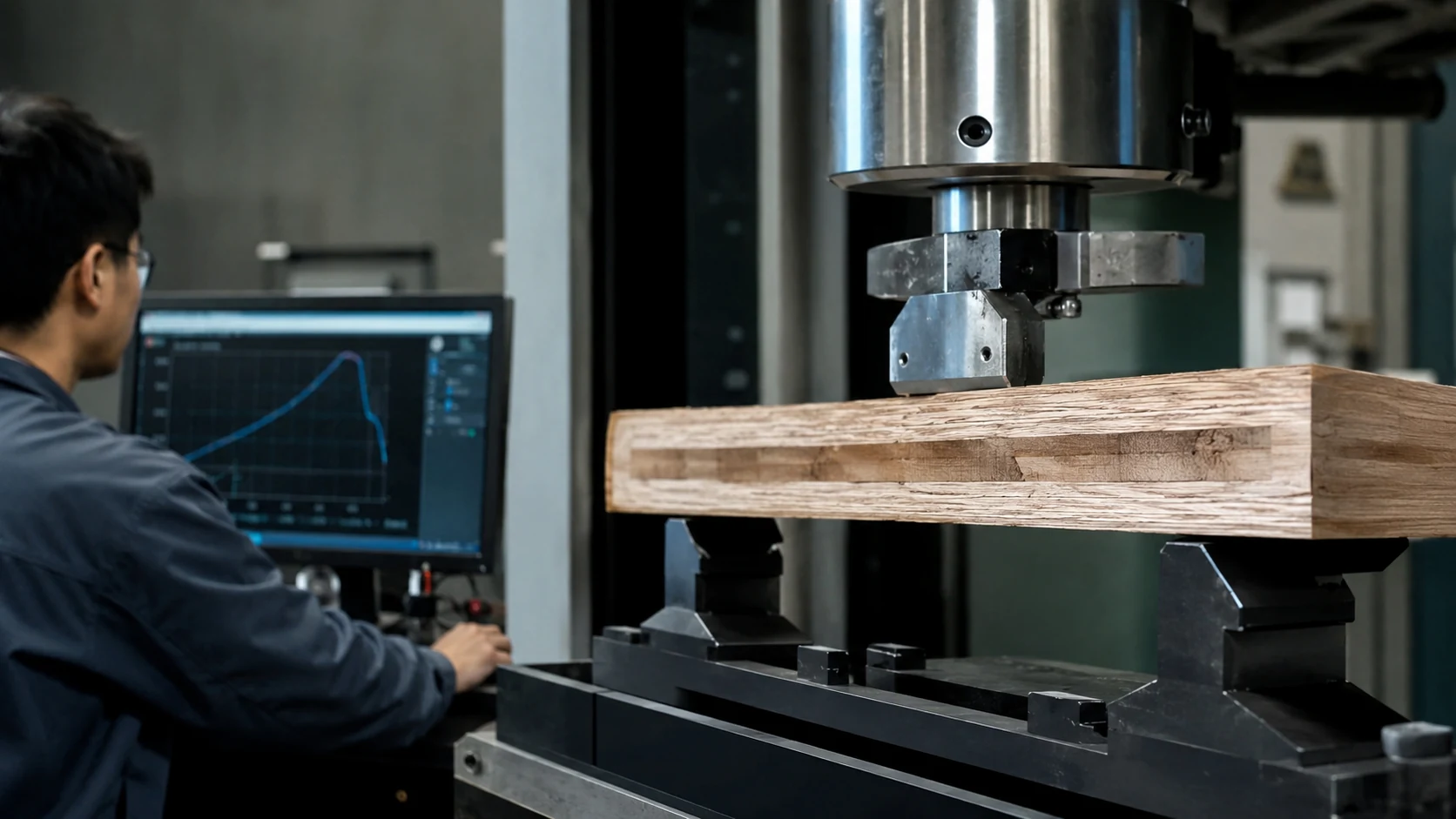
However, buyers should pay attention to hidden internal defects such as core gap and core overlap. These defects can reduce the strength of the board even if the outer surface looks acceptable.
Kosmex premium plywood uses composer machine core jointing to improve core consistency and reduce core defects. Learn more in our article on machine core joint vs hand core joint in plywood.
Common Applications of Acacia Plywood
1. Furniture Manufacturing
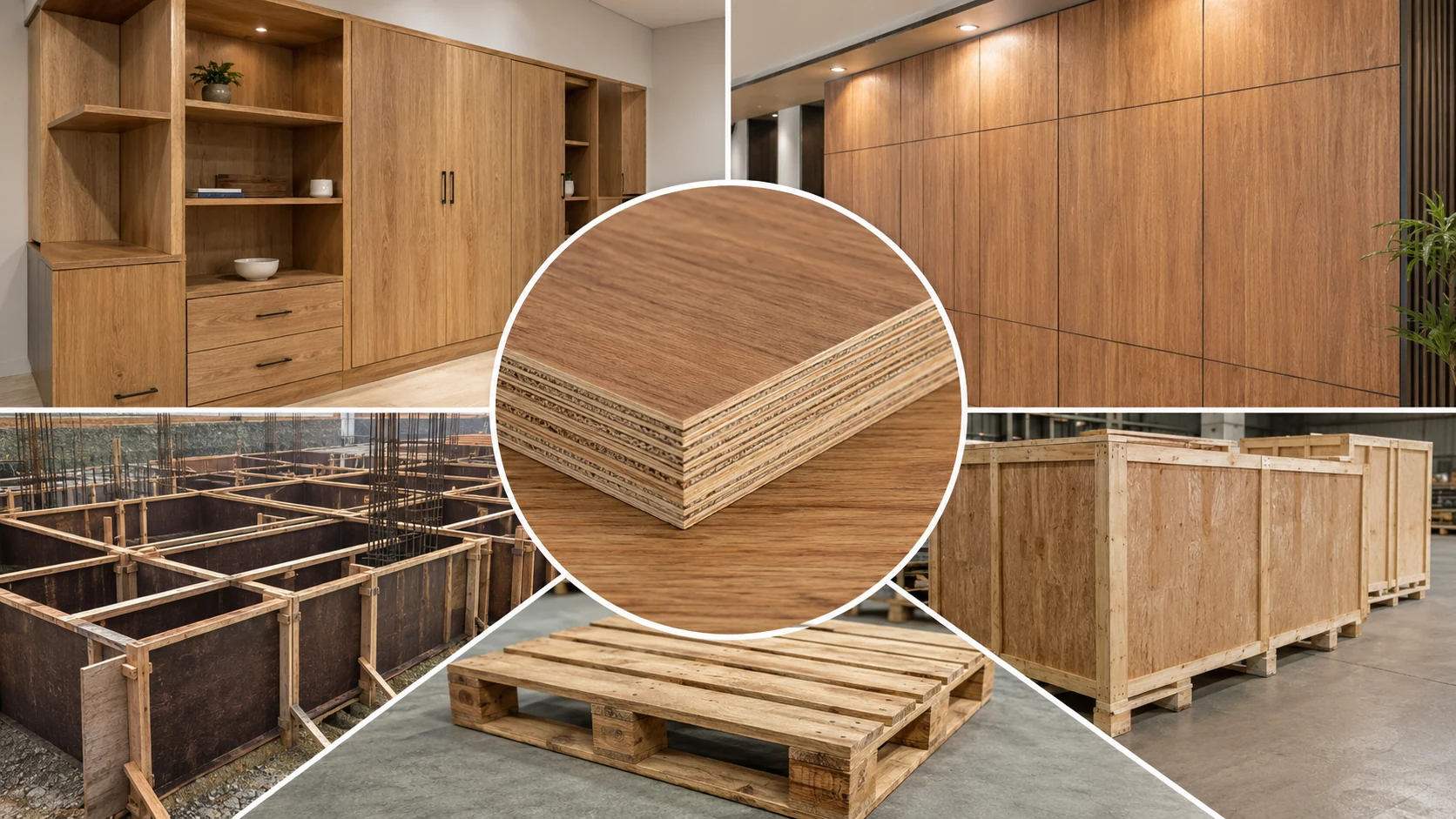
Acacia plywood for furniture can be used in cabinets, shelves, partitions, interior structures, and laminated furniture panels. It provides a useful balance between strength and cost, especially for manufacturers looking for hardwood plywood alternatives.
For furniture applications, buyers should check surface grade, core quality, glue type, thickness tolerance, and sanding quality.
2. Interior Panels
Acacia plywood can be used for wall panels, ceiling panels, backing panels, and other interior applications. It can also be laminated or finished depending on the final design requirement.
If your project focuses on wall and interior applications, you may find our guide on plywood walls useful.
3. Construction and Formwork
Acacia core can be used in film faced plywood and construction panels. When combined with suitable glue, surface film, and edge sealing, it can support formwork and temporary construction applications.
For concrete formwork uses, buyers should also review our article on formwork plywood and our guide to choosing plywood for formwork.
4. Packaging and Industrial Use
Acacia plywood can also be used in packaging, crates, pallets, and industrial boards where buyers need a stable hardwood plywood panel with reasonable cost performance.
Acacia Plywood vs Eucalyptus Plywood
Acacia plywood and eucalyptus plywood are both common hardwood plywood options. The better choice depends on the buyer’s application and required performance.
| Factor | Acacia Plywood | Eucalyptus Plywood |
|---|---|---|
| Typical density reference | About 540–560 kg/m³ | About 600 kg/m³ |
| Strength | Good for general hardwood plywood applications | Often selected when buyers want higher density and strength |
| Applications | Furniture, panels, packaging, construction panels | Furniture, construction, film faced plywood, higher-performance uses |
| Cost performance | Often competitive depending on market and specification | May cost more depending on density, grade, and supply |
| Best for | Buyers needing a balanced hardwood plywood option | Buyers needing higher density and stronger performance |
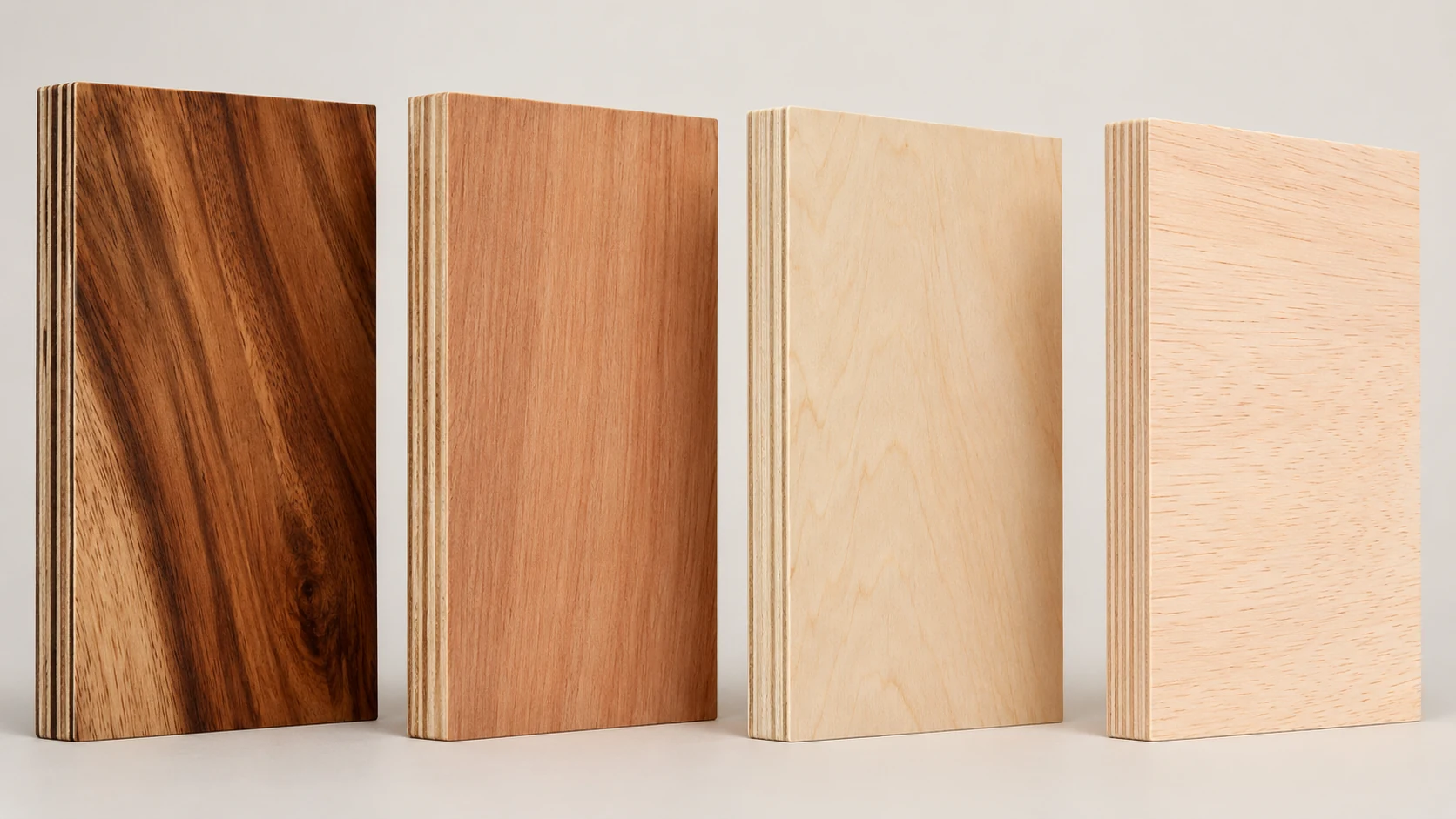
For more details about eucalyptus plywood, read our article on what eucalyptus plywood is and our comparison of eucalyptus plywood vs birch plywood.
Acacia Plywood vs Birch Plywood
Birch plywood is often known for its fine grain, smooth surface, and premium appearance. Acacia plywood can be a more cost-effective hardwood plywood option for buyers who do not always need the same premium birch appearance.
| Factor | Acacia Plywood | Birch Plywood |
|---|---|---|
| Surface appearance | Depends on face veneer and grade | Usually smoother and more uniform |
| Common use | Furniture, panels, packaging, construction | Furniture, cabinets, decorative panels, laser cutting |
| Price positioning | Often more cost-effective | Usually more premium |
| Best for | B2B buyers needing balanced cost and performance | Buyers needing premium surface and high visual quality |
You can also explore Kosmex birch plywood or read our birch plywood complete guide.
Acacia Plywood vs Rubber Plywood
Rubber plywood can be used when buyers need higher density and stronger performance. In Kosmex internal product comparison, high-density rubber plywood can reach around 700 kg/m³ or above depending on specification, while acacia plywood is typically lower in density.
This means rubber plywood may be more suitable for applications that require higher load-bearing capacity, while acacia plywood can be a more balanced option for general applications.
What Buyers Should Check Before Ordering Acacia Plywood
Before placing a bulk order, buyers should confirm the following details:
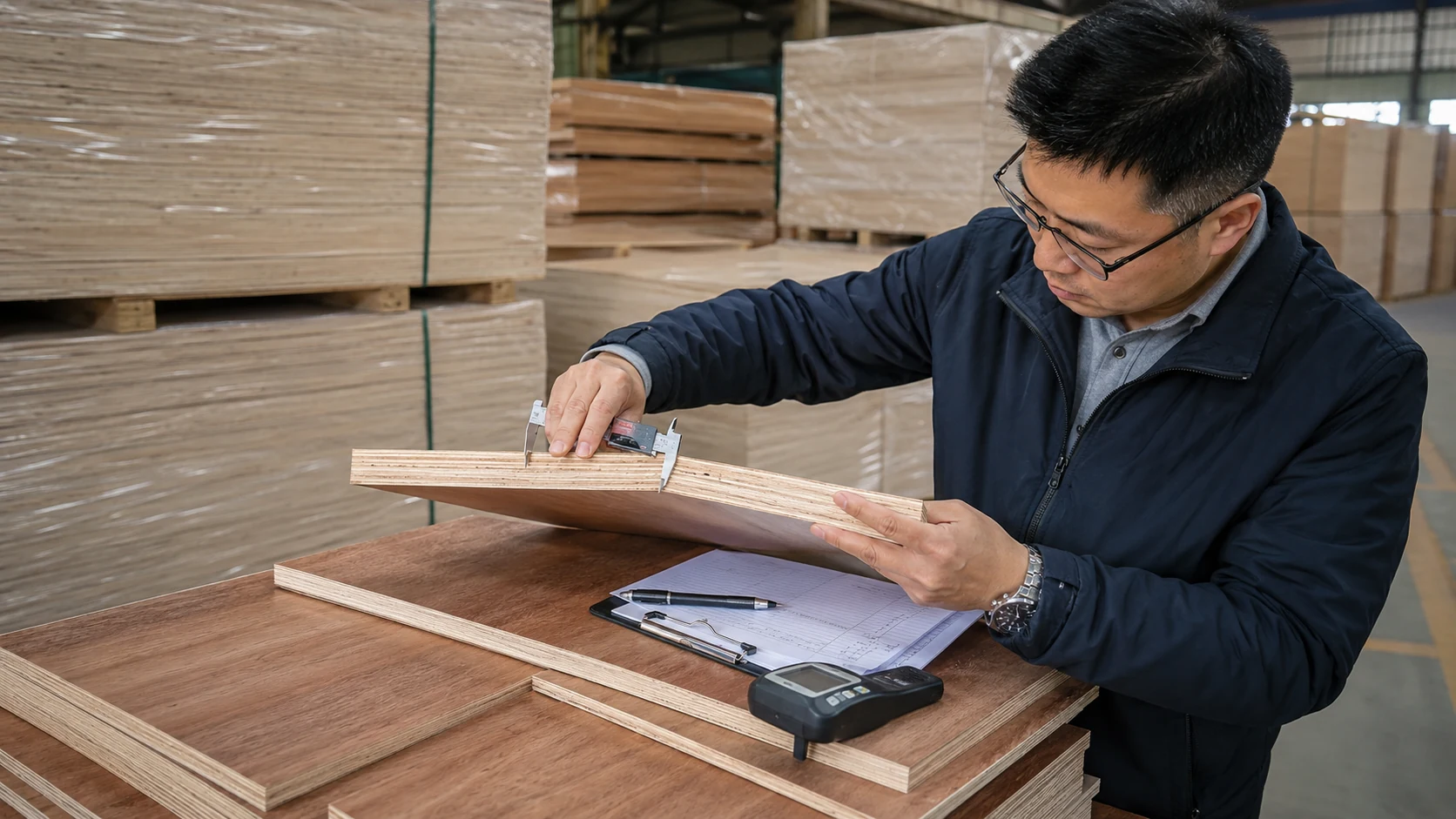
- Core composition: full acacia, mixed hardwood, or acacia combined with other species.
- Density: confirm target density based on application.
- Thickness: common options include 9 mm, 12 mm, 15 mm, 18 mm, and 21 mm.
- Glue type: MR, melamine, phenolic, or WBP depending on use.
- Surface grade: sanding quality and face/back veneer grade.
- Core jointing method: hand jointing or composer machine core jointing.
- Moisture content: important for stability and shipping.
- Certificates: such as FSC, CE, or test reports if required.
If you are evaluating a supplier, read our guide on how to evaluate a Vietnam plywood factory.
Why Choose Kosmex for Acacia Plywood?
Kosmex supplies plywood for B2B buyers who need consistent quality, flexible specifications, and export support.
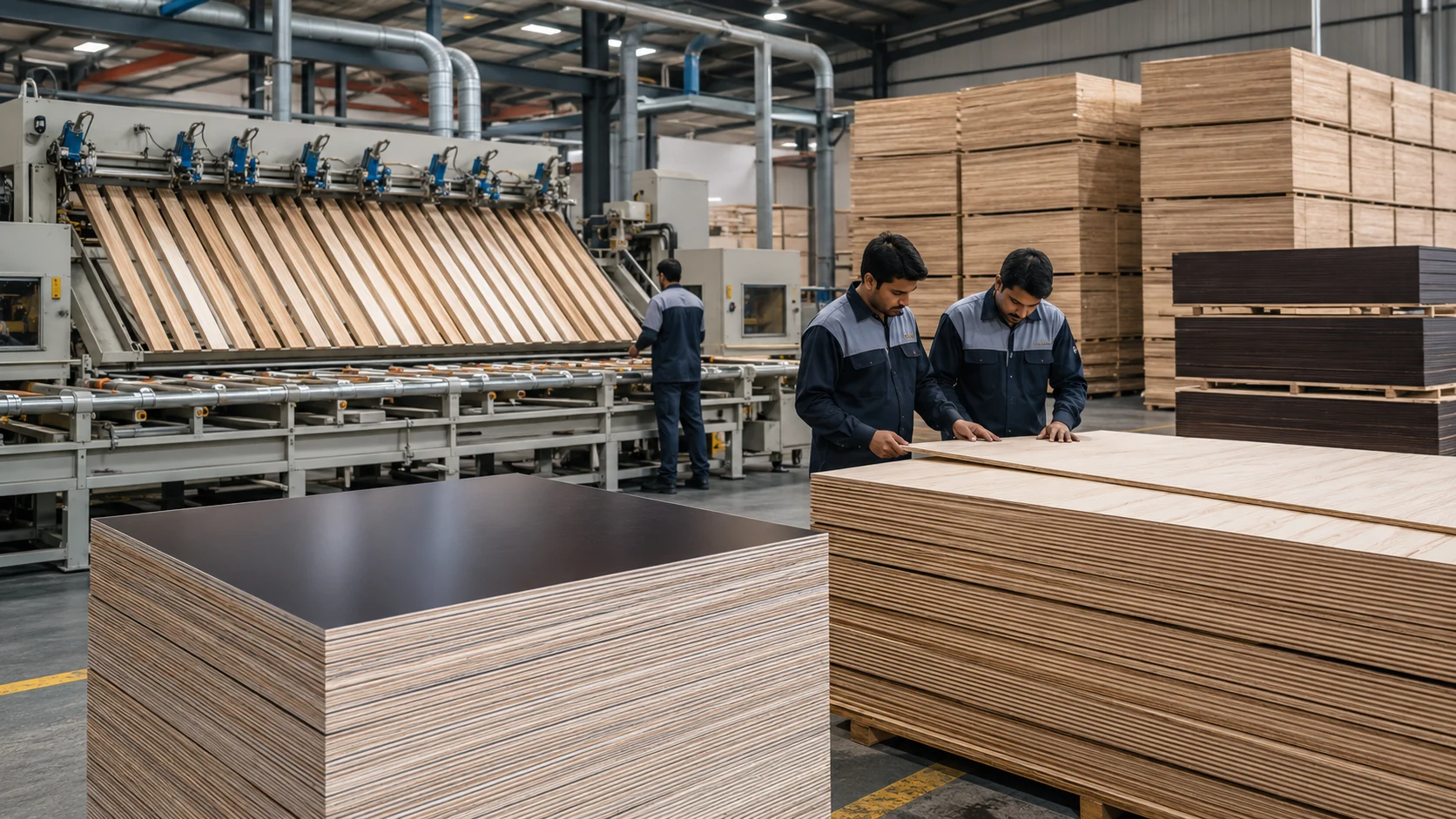
For acacia plywood and other hardwood plywood products, Kosmex can support buyers with:
- Flexible core options including acacia, eucalyptus, rubber, and mixed hardwood.
- Composer machine core jointing for premium plywood products.
- Reduced risk of core gap and core overlap.
- Glue options such as melamine glue and phenolic glue.
- Products for furniture, formwork, construction, packaging, and industrial use.
- Support for export documentation and quality requirements.
Explore our commercial plywood, film faced plywood, and plywood QC process to learn more about Kosmex capabilities.
Conclusion
Acacia plywood is a practical hardwood plywood option for B2B buyers who need a balance of strength, usability, and cost performance. It can be used for furniture, interior panels, construction panels, packaging, and other industrial applications.
When choosing acacia plywood, buyers should check density, core quality, glue type, surface grade, thickness, and supplier QC process. Kosmex can support buyers with flexible core options, stable production control, and plywood products designed for export markets.
Need Acacia Plywood for Furniture, Construction or Export?
Contact Kosmex to discuss your required core type, density, thickness, glue type, surface grade, and target application.
FAQs About Acacia Plywood
What is acacia plywood?
Acacia plywood is plywood made using acacia veneer or acacia core. It is commonly used for furniture, panels, construction, packaging, and industrial applications.
Is acacia plywood strong?
Acacia plywood can provide good strength for many general hardwood plywood applications, especially when produced with good veneer quality, proper glue, and stable core structure.
What is the density of acacia plywood?
As a general reference, acacia plywood density can be around 540–560 kg/m³, depending on raw material, moisture content, pressing, and specification.
Is acacia plywood good for furniture?
Yes. Acacia plywood for furniture can be used for cabinets, shelves, partitions, laminated panels, and interior structures when the correct surface grade and glue type are selected.
How does acacia plywood compare with eucalyptus plywood?
Acacia plywood is often selected for balanced cost and performance, while eucalyptus plywood may be chosen when buyers need higher density and stronger performance.
Bình luận