


Water-Resistant Is More Accurate Than Universally Waterproof
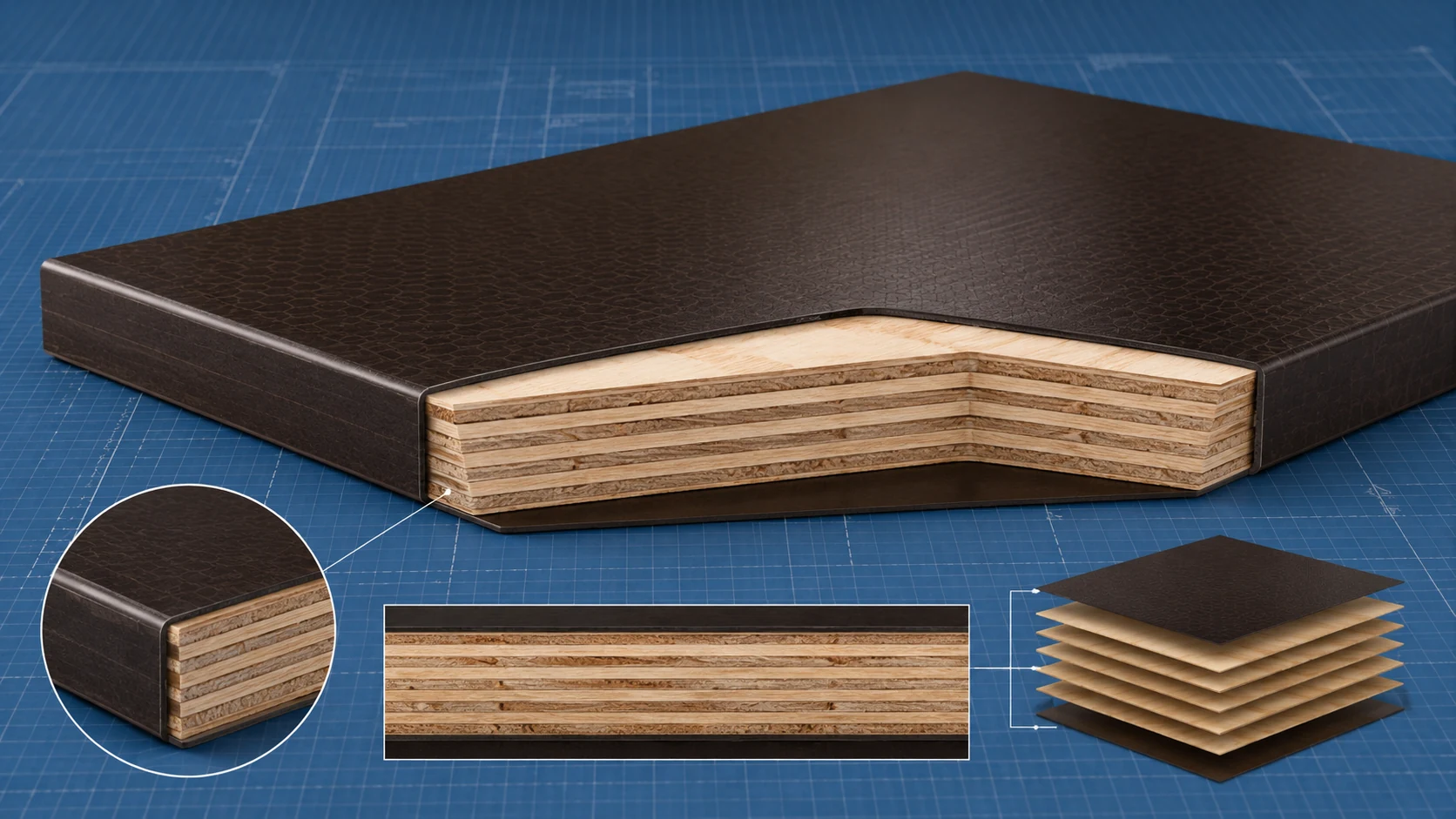
The word “waterproof” sounds as if no water can enter the panel under any duration or condition. Plywood does not work that way. Film faced plywood combines wood veneers, adhesive, resin film and edge coating. Each component responds differently to moisture.
An intact phenolic film creates a strong barrier across the face. A suitable exterior or moisture-durable bond helps the layers remain attached during wet exposure. Factory edge paint slows water entering the end grain. These features make the product much more suitable for wet construction cycles than uncoated interior plywood.
However, saw cuts remove factory edge protection. Fastener and tie holes expose the core. Abrasion can wear through the film. Corners can split during stripping. Water can then reach wood fibers, causing swelling, staining, local distortion or progressive delamination. The severity depends on exposure time, drying, adhesive, core quality and maintenance.

The broader film faced plywood guide explains how the overlay, core and bond work together in formwork applications.
The Four Parts of Film Faced Plywood Water Resistance
1. The face film
The film is resin-treated paper cured onto the panel under heat and pressure. On a well-made sheet, it creates a smooth, low-absorption surface that resists fresh concrete, cleaning water and normal weather exposure better than bare veneer. Film performance depends on paper quality, resin system, grammage, curing, adhesion and surface damage.
A heavier film may provide more wear allowance, but grammage alone is not a complete quality grade. A poorly bonded heavy film can fail earlier than a properly laminated film on a stable core. Inspect bubbles, pinholes, burn-through, lifting and scratches as well as the stated film weight.
2. The glue lines
Adhesive holds the cross-laminated veneers together. Phenolic and properly formulated melamine systems may be offered for different moisture and performance requirements. Buyers should ask for the actual bond classification or test report rather than assuming every product labelled “WBP” has identical durability. Read the existing comparison of phenolic versus melamine glue for additional bond-selection context.
A bond test demonstrates performance under defined test conditions. It does not mean that exposed wood cannot absorb moisture, that the film cannot wear or that the panel can remain submerged indefinitely.
3. The factory-sealed edges
Plywood edges expose the ends of multiple veneer layers. End grain can absorb water much faster than an intact filmed face. Manufacturers normally apply edge paint or another sealing system after trimming. Coverage should be continuous and should not hide open glue lines, voids or crushed corners.
4. Cuts, holes and damage created on site
Every field cut, drilled hole, screw penetration and chipped edge interrupts the original protective envelope. These areas need prompt inspection and resealing with a compatible product. Painting over an already swollen or delaminated edge is not a repair; the damaged panel should be evaluated for downgrade or removal.
How Film Faced Plywood Performs in Different Water Exposures
| Exposure | Expected behavior | Control required |
|---|---|---|
| Fresh concrete during a normal pour | A primary intended exposure for formwork-grade panels | Compatible release agent, intact film, sealed edges and correct stripping |
| Short rain exposure on site | Usually manageable for a suitable panel in good condition | Drain water, protect stacks, dry with airflow and inspect damage |
| Repeated wet-dry cycles | Can gradually stress film, edges, core and glue lines | Clean, dry, reseal and inspect after every use |
| Standing water on a horizontal sheet | Higher risk at joints, holes, scratches and worn areas | Avoid ponding; improve drainage and protection |
| Uncovered outdoor storage | Risk of edge swelling, warp, ultraviolet damage and trapped moisture | Store flat, raised, covered and ventilated |
| Continuous immersion | Not a general design condition for ordinary film faced formwork plywood | Use a product and assembly specifically approved for immersion |
The table describes selection principles, not a warranty. The exact panel construction, project requirements, weather, concrete mix, cycle duration and site practice determine performance.
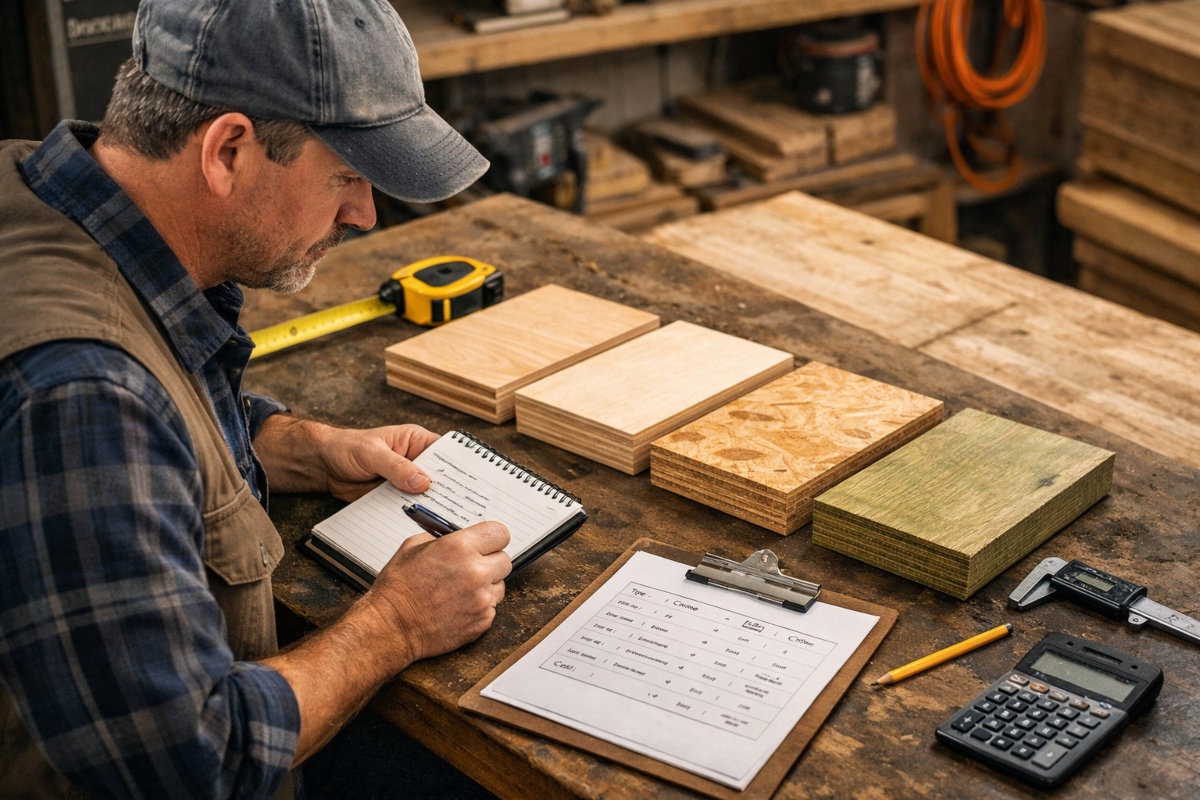
How Water Gets into Film Faced Plywood
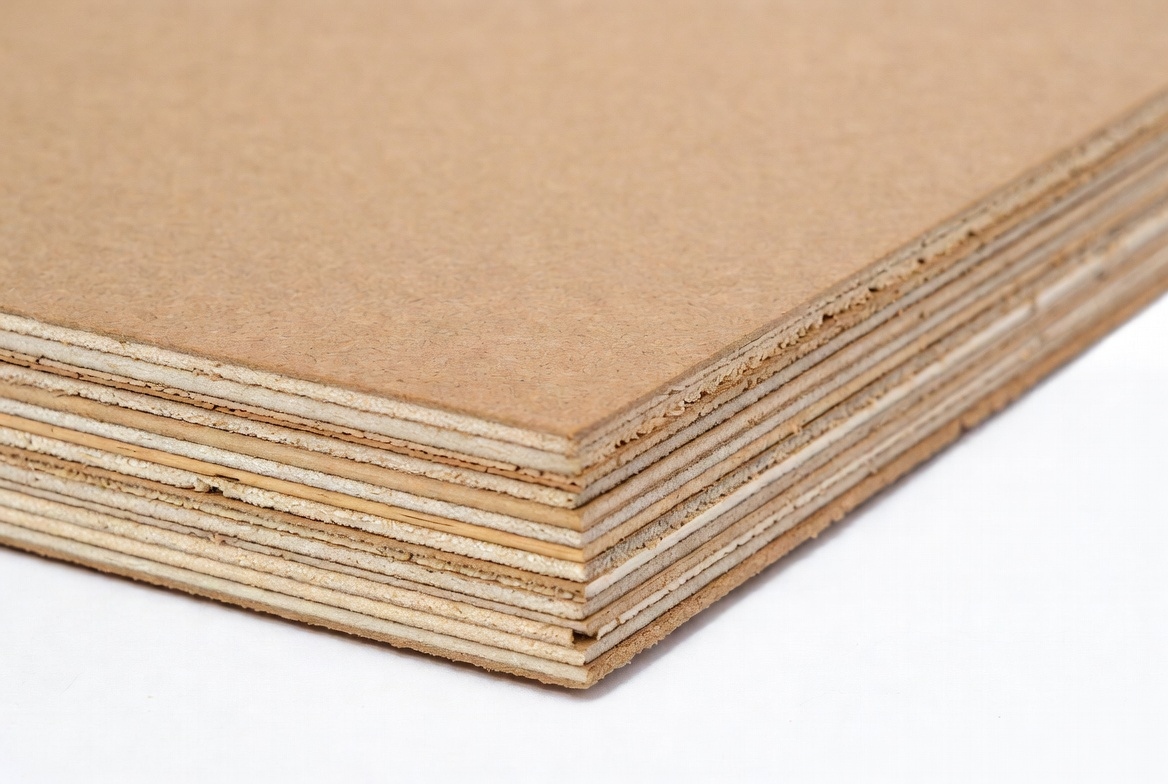
Unsealed saw cuts
Cutting exposes multiple veneer ends and may create small splinters or film lifting. If a panel must be resized, use a sharp blade, support the sheet, clean the cut and apply the approved edge sealer before exposure. The guide on cutting plywood without splintering helps reduce surface and edge damage before resealing.
Tie holes and fastener penetrations
Holes are often overlooked because their total area is small. They can still channel water directly into the core, especially when concrete residue prevents complete drying. Seal or repair holes according to the formwork system and panel manufacturer’s procedure.
Film scratches and impact damage
Metal scrapers, dragged reinforcement, sharp tools and rough stripping can cut through the overlay. Superficial marks may affect appearance only, while a scratch that reaches wood becomes a moisture path. Classify damage after cleaning and before the next pour.
Open glue lines and core gaps
A visible edge gap may collect water, and weak bonding may open under repeated wetting and drying. Edge paint should never be used to conceal a defective core. Include cross-section checks and bond evidence in the receiving inspection, using the guide to plywood core gaps and overlaps as a visual reference.
Poor storage
Sheets stacked directly on uneven ground can take up moisture from below while rain wets the top. A tightly wrapped wet stack can trap moisture instead of protecting it. Use level bearers, a weatherproof cover and ventilation. Keep bundles away from standing water and direct heat.
What Water-Resistance Tests Actually Tell You
Technical documents often refer to bond classes, exterior-use classifications, boiling-water procedures or cyclic tests. These can be valuable, but only when the buyer understands their scope.
- Bond testing evaluates whether glue lines maintain the required integrity after defined conditioning.
- Panel classification may describe intended use conditions under a named standard.
- Mechanical testing measures properties such as bending strength or stiffness under specified methods.
- Film or surface testing can examine adhesion, wear, water uptake or other overlay properties.
None of these should be translated automatically into “the whole sheet is waterproof forever.” Check the test standard, sample construction, thickness, factory, date, conditioning and result. Confirm that the report covers the product being purchased rather than a different panel made at another time.
The Kosmex product page identifies EN 636 and EN 314-2 in its current specifications. Buyers should request the matching technical and test documents for the exact proposed order and verify whether the reported classification fits the project.
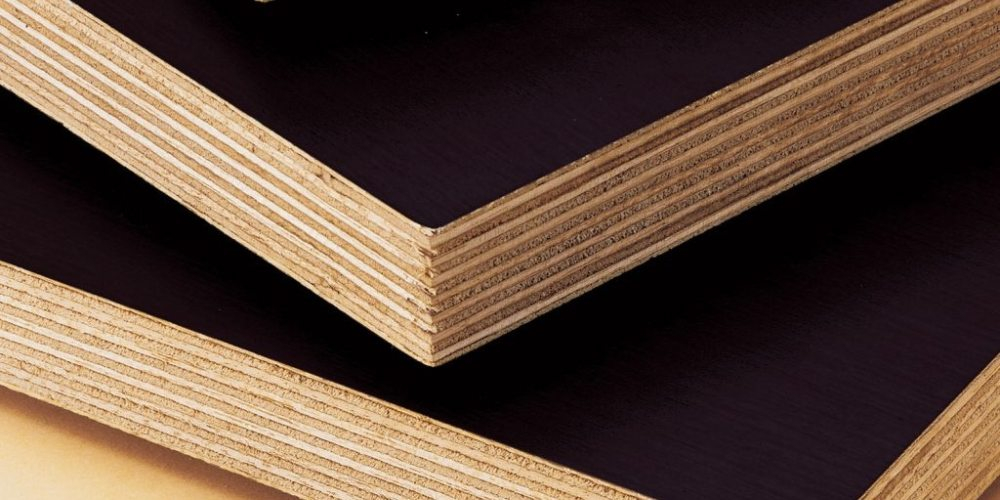
How to Protect Film Faced Plywood from Water Damage
Before the first pour
- Inspect film, edges, corners, dimensions and flatness.
- Confirm that all field cuts and holes have been sealed and cured.
- Use a release agent confirmed as compatible with the panel and desired concrete finish.
- Install the sheets according to the engineered formwork design, with joints and supports properly coordinated.
Immediately after stripping
- Remove residue before it hardens, using non-damaging tools.
- Avoid metal blades and uncontrolled high-pressure cleaning that can cut or lift the film.
- Let surfaces and edges dry with ventilation.
- Inspect scratches, holes, edge swelling, delamination and loss of flatness.
- Repair only within the approved procedure and reclassify the sheet for its next use.
During storage and transport
- Stack flat on aligned, level bearers.
- Keep sheets off the ground and away from ponding water.
- Cover against rain and direct sunlight while allowing ventilation.
- Protect corners and edges from straps, forks and impacts.
- Do not place reinforcement or heavy uneven loads on stored panels.
For broader cleaning, stripping and storage principles, see the existing formwork plywood buyer guide.
Film Faced Plywood vs Marine Plywood in Wet Conditions
Film faced plywood is designed around a protected contact face, making it effective for cyclical wet construction exposure and concrete release. Marine plywood is selected where a recognized marine-grade construction, controlled core and durable bond are required for prolonged moisture service. Neither category should be chosen solely because a seller uses “waterproof” in the title.
For concrete formwork, choose the panel based on the engineered system, surface-finish requirement, bond, film, edge protection and cost per acceptable pour. For boats or permanent wet assemblies, follow the marine designer’s named standard, coating system and detailing. The existing commercial versus marine plywood guide explains why marine claims require more than moisture-durable glue.
When Should a Wet Panel Be Removed from Service?
Do not judge only by whether the sheet still looks usable from a distance. Remove, quarantine or downgrade it when inspection finds conditions outside the approved acceptance criteria, including:
- progressive delamination or open glue lines;
- significant swelling at edges or holes;
- loss of flatness that will affect alignment or concrete finish;
- deep surface damage exposing the core across a critical area;
- crushed corners or core damage near fasteners and supports;
- unexplained soft spots, unusual flexibility or structural damage;
- mold, decay or contamination that cannot be safely removed.
The responsible formwork professional should decide whether a repaired or downgraded sheet can be used in a less demanding location. Do not cover evidence of damage with edge paint and return the panel to a critical application.
Frequently Asked Questions
Can film faced plywood be left in the rain?
A suitable, intact panel can tolerate normal construction moisture better than bare interior plywood, but it should not be stored uncovered. Drain water, dry the sheets, inspect edges and protect the stack.
Does phenolic film make plywood completely waterproof?
The film creates a highly water-resistant face. It does not protect an unsealed cut, drilled hole, damaged corner or worn area, and it does not define the core or glue quality.
What does WBP mean?
WBP is commonly used in trade to describe weather- and boil-resistant bonding. It should be supported by a named test or classification. It is not a universal grade for the complete panel.
Should cut edges be sealed?
Yes. Seal fresh cuts and approved repaired areas promptly with a compatible system, following preparation, coat and curing instructions.
Can film faced plywood be submerged?
Continuous immersion should not be assumed to be a normal condition for ordinary formwork plywood. Use only a product and assembly specifically approved for that exposure.
Choose the Panel for the Actual Exposure
Kosmex offers several film faced plywood constructions. Provide the application, moisture exposure, target finish, thickness, core, bond requirement, film specification and documents required so the team can confirm an appropriate available product.

Bình luận