


Birch Plywood Price: What It Costs in 2026 and What Drives the Market
Birch plywood is consistently one of the most searched and price-sensitive categories in the plywood market. Whether you are a furniture manufacturer sourcing container loads, a joinery workshop buying by the sheet, or an importer comparing prices across supply origins, understanding what birch plywood should cost and why prices move the way they do is essential for making smart procurement decisions.
This guide breaks down birch plywood pricing comprehensively: current price ranges, what drives costs, how prices differ by grade and specification, how to compare prices across different supply origins, and what to watch for in 2025 and beyond.
Birch Plywood Price Overview: What to Expect in 2025-2026
Birch plywood prices vary significantly depending on:
- Panel thickness
- Grade (face/back veneer quality)
- Glue bond specification
- Production origin (Baltic/European, Russian, Vietnamese)
- Order volume (per-sheet retail vs. pallet vs. full container)
- Market (your local distributor markup vs. direct import pricing)
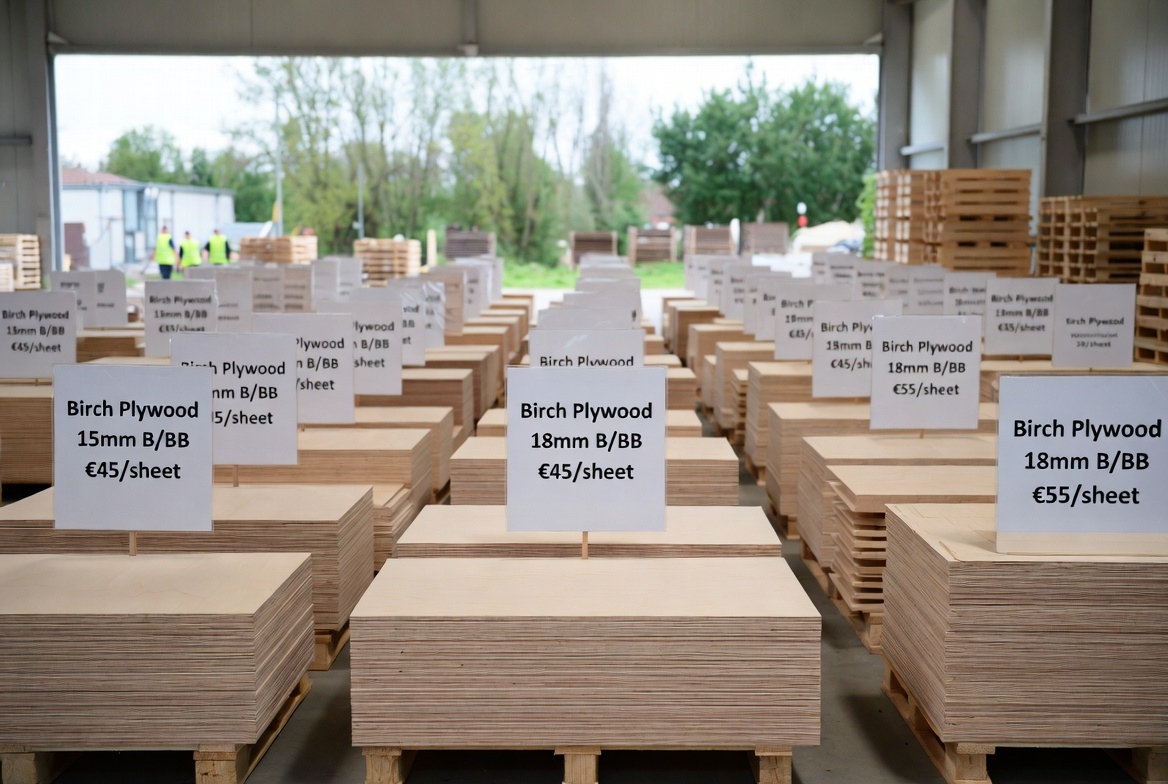
The following ranges are indicative FOB or landed prices for European and international markets in early 2026. Actual prices change with raw material and shipping cost movements.
Retail / Distributor Pricing (Per Sheet)
For buyers purchasing from local distributors or timber merchants:
| Thickness | Grade | Approx. Price per Sheet (EUR) |
|---|---|---|
| 4mm | BB/BB | 12-18 |
| 6mm | BB/BB | 16-24 |
| 9mm | BB/BB | 22-32 |
| 12mm | BB/BB | 30-42 |
| 15mm | BB/BB | 38-52 |
| 18mm | BB/BB | 46-64 |
| 21mm | BB/BB | 56-78 |
| 18mm | B/BB (premium) | 58-80 |
These are indicative European market retail prices. Prices vary significantly by country and distributor margin.
Direct Import / Wholesale Pricing
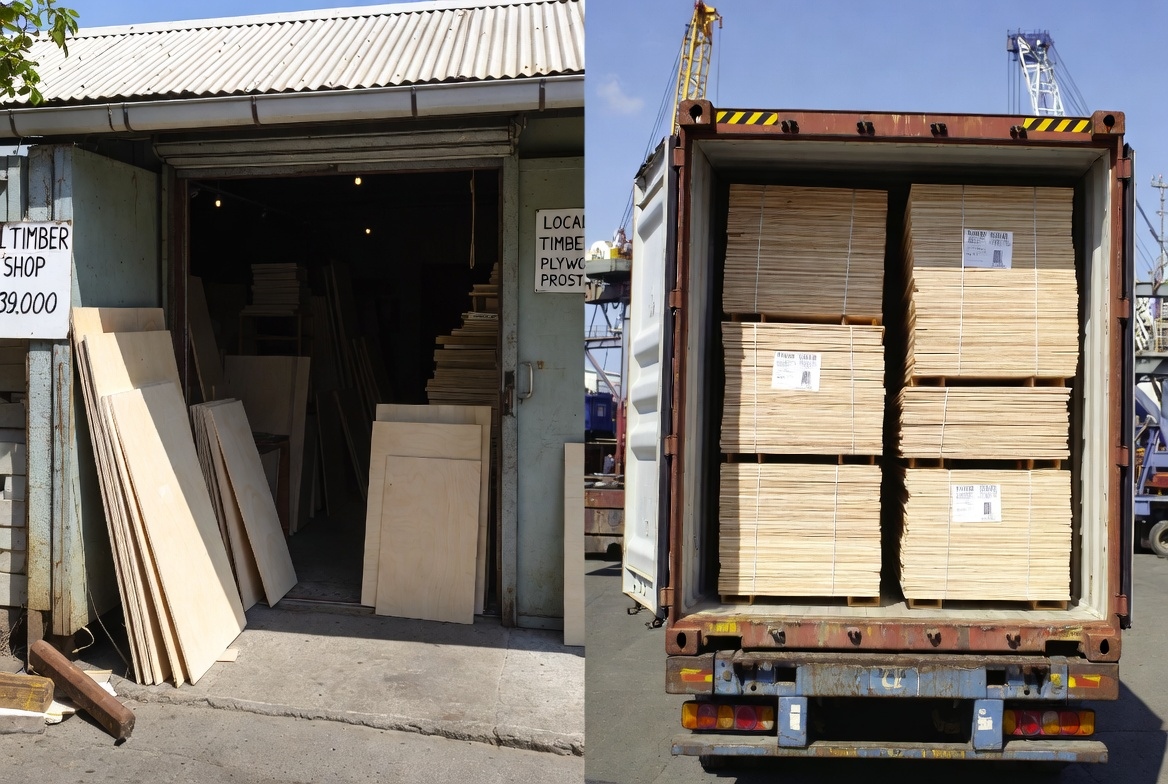
Buyers importing full container loads directly from manufacturers can achieve significantly lower per-sheet prices:
| Origin | 18mm BB/BB (USD FOB) | Notes |
|---|---|---|
| Finland / Baltic | USD 28-38/sheet | Premium quality, stable supply |
| Vietnam (birch face) | USD 14-22/sheet | Imported birch veneer on eucalyptus core |
| China | USD 12-20/sheet | Wide quality range, verify certifications |
Note that FOB price does not include ocean freight, insurance, import duty, and local distribution costs. EU import duty on plywood from most origins is currently 0% under FTA agreements or MFN rate (check applicable rate for your supply origin and HS code).
What Drives Birch Plywood Prices?
Understanding the cost drivers helps you anticipate price movements and make better-timed buying decisions.
Birch Timber Supply
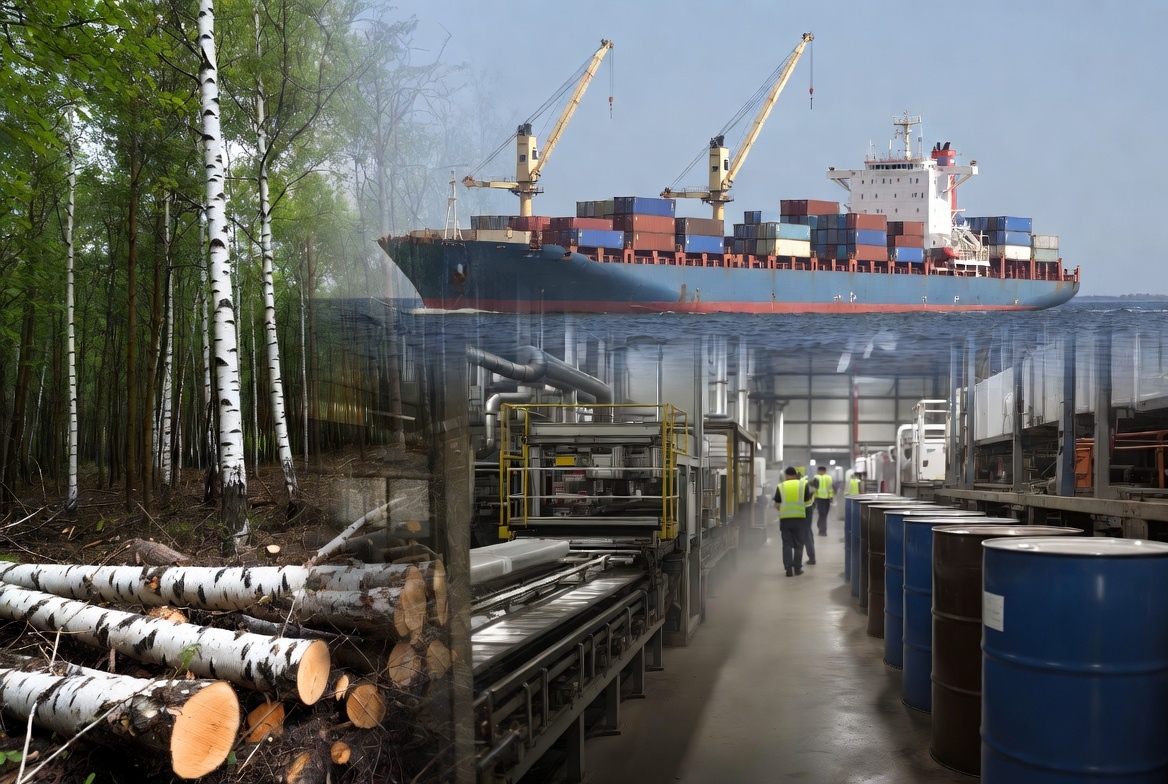
Birch plywood prices are fundamentally driven by the cost and availability of birch timber. The world’s birch plywood industry has historically relied on the birch forests of Russia, Finland, Estonia, Latvia, and other Baltic and Scandinavian countries.
Russian supply disruption: Before 2022, Russia was the world’s largest supplier of birch plywood and birch veneer. EU and UK sanctions on Russian timber products following the invasion of Ukraine removed the largest single supply source from the European market. Finnish and Baltic producers, while high-quality, have limited capacity to fill this gap at equivalent price points.
The structural result is that European birch plywood prices have been significantly higher since 2022 than in the preceding decade, and the premium for authentic Baltic/Scandinavian birch over Asian alternatives has widened.
Substitution by Asian Production
The supply gap from Russia has accelerated the shift toward Asian-produced birch plywood, particularly from Vietnam and China. Vietnamese manufacturers import birch veneer from Finland or use whatever birch veneer is available on the market, bond it to eucalyptus or poplar cores, and produce panels that are sold as birch plywood at lower price points than European production.
The quality and specification of these Asian-produced birch panels varies widely. Some offer genuine BB/BB or B/BB face grades with certified glue bond; others are significantly below specification. Buyers must evaluate carefully.
Phenolic Resin and Adhesive Costs
The adhesive used in birch plywood, particularly for exterior-grade (WBP phenolic) specifications, is derived from phenol, which is a petroleum-derived chemical. Resin prices therefore track oil market movements.
For interior-grade birch plywood (urea-formaldehyde glue), UF resin prices track formaldehyde and methanol markets.
Energy Costs
Plywood manufacturing is energy-intensive: the veneer drying and hot pressing stages consume significant amounts of heat energy. European manufacturers in particular have faced high energy costs since 2022, contributing to the premium on European-produced birch plywood.
Container Shipping Rates
For buyers importing from Vietnam or China, container shipping rates are a significant component of the landed cost. Rates from Asia to Europe have been volatile since 2020, ranging from near historical lows (2019-2020) to unprecedented highs (2021-2022) and back to more moderate levels.
Changes of USD 500-1,000 per 40-foot container translate directly to per-sheet landed cost increases of USD 0.80-1.60 for a typical load of 600 sheets.
Currency Movements
Birch plywood is typically priced in USD in international trade. For European buyers, the EUR/USD exchange rate affects the EUR-equivalent cost of Asian imports. For UK buyers, GBP/USD movements are relevant. A 10% movement in exchange rates produces roughly a 10% change in the local currency cost of imported panels.
Birch Plywood Grades and Their Price Effect
Grade has a major effect on birch plywood price, and understanding the grading system is essential for accurate price comparison.
Birch plywood face veneers are graded using a letter system. The most common grades encountered in the European market are (from highest to lowest quality):
B (or E/I in European EN 635 terminology): Clear, smooth veneer with no or minimal repairs. The highest visual quality grade. Used for clear-coat furniture, high-end joinery, and speaker boxes. Carries a significant price premium.
BB (or II in EN 635): Good quality veneer with neat repairs permitted. Some natural features such as tight knots and slight color variation acceptable. The standard specification for most furniture and cabinetry applications.
CP / WG (or III): More repairs permitted, some open defects within specified limits. Suitable for paint-grade surfaces and concealed panels.
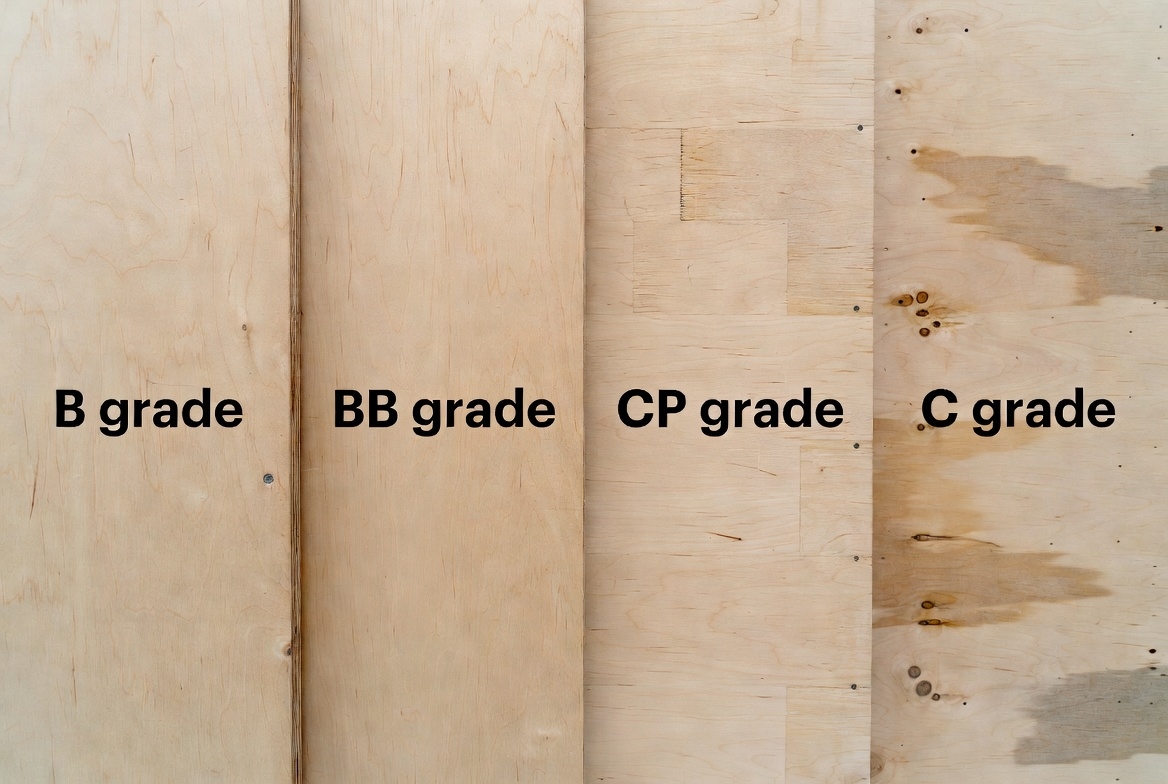
C (or IV): Significant defects permitted. Used for back panels and concealed structural applications.
Panel grades are quoted as face/back, so a BB/BB panel has BB grade on both faces. A B/BB panel has B grade on the face and BB on the back, and is more expensive than BB/BB.
The price difference between BB/BB and B/BB can be 15-30% or more depending on the market. The difference between BB/BB and CP/CP can be 20-40%.
Always confirm the grade you are comparing when requesting quotes from multiple suppliers. A lower price that reflects a lower grade is not a bargain.
For a full explanation of how birch plywood grades work and what to look for in each, see our detailed guide on birch plywood grades.
How Thickness Affects Birch Plywood Price
Panel thickness is the primary cost driver after grade. Thicker panels require more veneers, more adhesive, and more pressing time, directly increasing the per-sheet cost.
The relationship between thickness and price is roughly linear with material cost, but with some non-linear effects from manufacturing overhead allocation.
When comparing prices across suppliers, always compare on a per-cubic-meter or per-kilogram basis in addition to per-sheet, as this normalizes for slight thickness variations. A supplier offering 18mm panels at 17.8mm actual thickness is offering less material per sheet than a competitor delivering true 18mm.
Verify panel thickness with a calibrated caliper at multiple points across the panel surface. Thickness tolerance under EN 315 for sanded panels is +/- 0.5mm for thicknesses up to 18mm.
Comparing Birch Plywood Prices: What to Watch For
When comparing price quotations from multiple suppliers, several factors can make apparent price differences misleading:
Core Species
Not all “birch plywood” has a birch core. Many Asian-produced panels use eucalyptus or poplar cores with birch face veneers only. This is a perfectly legitimate product, often sold as “birch-faced plywood,” but the structural properties and weight differ from full-birch panels.
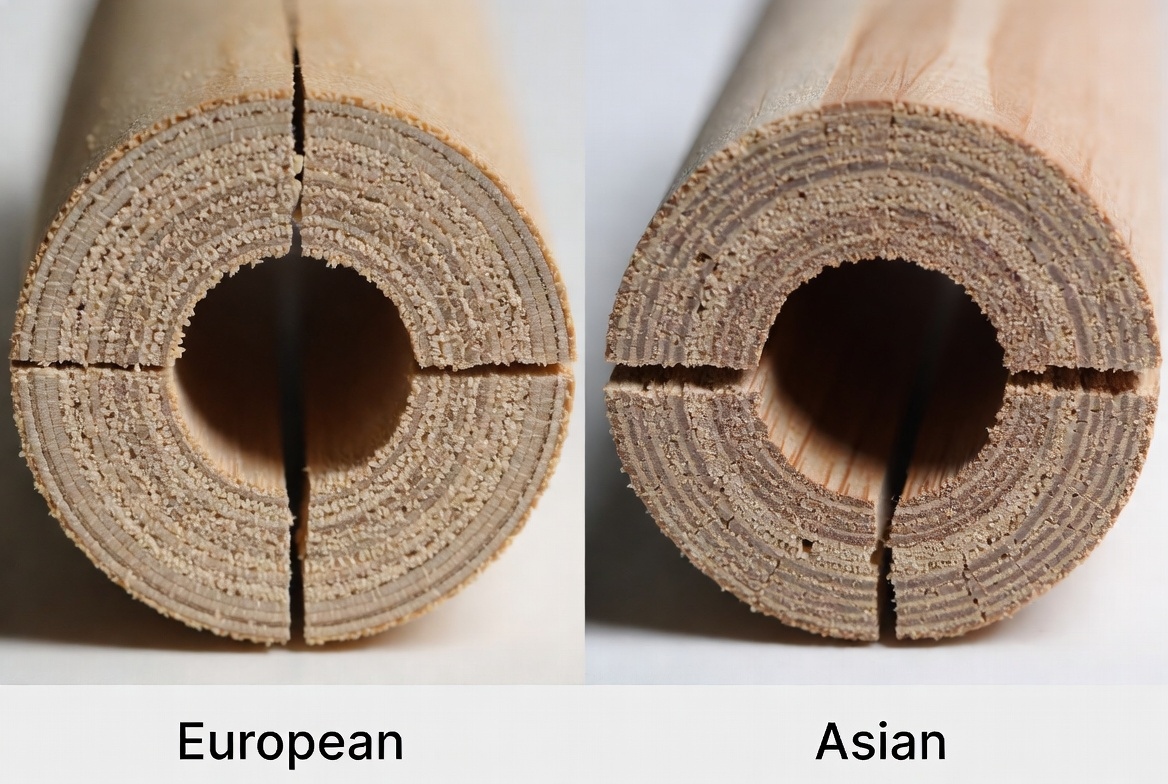
Full birch core panels are denser, heavier, and generally have higher void resistance due to the thinner veneer construction typical of Baltic production. Birch-faced panels with non-birch cores may have larger core gaps and lower density.
If full birch construction is important for your application (such as speaker cabinet manufacturing, where density and void-free core matter significantly), specify this clearly and verify the cross-section of sample panels.
Void Specification
Baltic birch plywood is characterized by its near-void-free core, made possible by the thin veneers (approximately 1.5mm) used in Scandinavian and Baltic production. Each veneer layer is so thin that core gaps are inherently small.
Asian-produced birch plywood typically uses thicker core veneers (2-2.5mm or more) and may have specified maximum core void sizes. A panel with allowed core voids of 20mm x 30mm will produce significantly different results when CNC-routed or drilled than a truly void-free panel.
Specify maximum core void size if this matters for your application, and cut cross-sections of samples to verify actual core construction.
Glue Bond Specification
Birch plywood is sold in both interior (Class 2, urea-formaldehyde glue) and exterior (Class 3, WBP phenolic glue) specifications. Class 3 exterior plywood is more expensive due to the higher cost of phenolic resin.
For dry indoor furniture and cabinetry applications, Class 2 glue is typically sufficient and offers a cost saving. For any application with moisture exposure or outdoor use, Class 3 is mandatory.
Verify glue bond class with test reports confirming EN 314-2 Class 2 or Class 3 compliance. Do not rely on supplier statements alone. For more detail on glue bond testing standards, see our post on birch phenolic glue plywood EN 314 test.
To understand the practical difference in moisture resistance between the two glue types, see our guide on is birch plywood waterproof?
Birch Plywood from Vietnam: Price vs. Quality Trade-Off
Vietnamese-produced birch plywood represents the most significant price competition to European-source birch plywood in the current market. Understanding the trade-off is important for buyers considering the switch.
Advantages of Vietnamese Birch Plywood
Price: The primary driver. Vietnamese birch plywood is typically 30-50% less expensive than Finnish or Baltic birch at equivalent thickness and grade specification.
Availability: Vietnamese suppliers offer significant production capacity and can fulfill large orders with relatively short lead times compared to currently constrained European production.
Certification: Leading Vietnamese manufacturers offer CE-certified production, FSC chain of custody, and E1 formaldehyde emission compliance.
Limitations to Evaluate
Core construction: Vietnamese birch plywood uses eucalyptus or poplar cores rather than birch throughout. For applications where full birch core is specified (dense speaker boxes, stage flooring, structural CNC components), this may be a performance difference.
Veneer thickness and void specification: Vietnamese production typically uses thicker core veneers than Baltic production, which can mean larger permitted core voids. Evaluate sample cross-sections carefully.
Quality range: The Vietnamese plywood industry has a wide quality range. Top-tier manufacturers produce genuinely good product; lower-tier manufacturers do not. Due diligence on supplier selection is essential.
For buyers whose applications do not require the specific characteristics of full-birch-core construction, Vietnamese birch-faced plywood often provides good value. For premium applications, European-source product remains the benchmark.
For more information on the full spectrum of birch plywood options and how to choose the right one for your application, see our complete guide to birch plywood.
Birch Plywood Price Trends: What to Watch in 2025-2026
Several market factors will influence birch plywood prices in the near term:
European birch supply recovery: Finnish and Baltic producers continue to expand capacity to partially fill the supply gap left by Russian sanctions. Increased European supply would moderate the premium on European-source product.
Russian sanction trajectory: Any easing of EU sanctions on Russian timber would bring large volumes of competitive material back to the European market, potentially depressing prices significantly. As of early 2026, this scenario appears unlikely in the near term.
Asian competition: Vietnam and China continue to invest in plywood production capacity and quality certification. Growing availability of certified Asian product increases competitive pressure on European producers and limits the price ceiling for birch plywood generally.
Shipping costs: Container freight rates from Asia to Europe have normalized from the extreme highs of 2021-2022. Further normalization would improve the price competitiveness of Vietnamese and Chinese birch plywood relative to European production.
Formaldehyde regulation tightening: EU regulations on formaldehyde emissions from wood-based panels are moving toward lower limits. Compliance costs may increase, particularly for lower-tier Asian producers.
How to Get the Best Price on Birch Plywood
Buy in Container Loads
The biggest single price lever available to regular buyers is order volume. Full container load (FCL) pricing is substantially lower than partial load (LCL) or pallet pricing.
A standard 40-foot container holds approximately 900-1,200 sheets of 18mm birch plywood (1220 x 2440mm). If your volumes support direct import, the price saving compared to local distributor pricing can be 25-40%.
Plan Ahead for Lead Times
Short lead times carry a price premium. Planning procurement 8-14 weeks ahead for Asian supply and 4-8 weeks ahead for European supply allows you to select from a wider range of suppliers and negotiate better pricing without urgency premiums.
Specify Correctly
Over-specification is expensive. If your application does not require B-grade face quality, do not pay for it. If interior glue bond is sufficient, do not pay the premium for exterior phenolic glue.
Review your standard specification with your supplier to ensure you are not paying for characteristics you do not need.
Get Multiple Quotes
Always get at least three comparable quotes for significant orders. Ensure you are comparing on the same specification (thickness tolerance, grade, glue bond class, certification requirements) to make the comparison meaningful.
Frequently Asked Questions
Why has birch plywood become so expensive? The primary cause is the removal of Russian supply from European markets following 2022 trade sanctions. Russia was previously the world’s largest birch plywood exporter to Europe. Finnish and Baltic production has not fully replaced this volume, creating persistent supply tightness and elevated prices.
Is Chinese birch plywood a good alternative to Baltic birch? Chinese birch plywood covers a wide quality range. At the top of the Chinese market, product quality can be acceptable for many furniture applications. However, the quality verification challenges are significant, and buyers must conduct rigorous due diligence including third-party pre-shipment inspection. Many European buyers have shifted to Vietnamese birch plywood as a preferred Asian alternative due to improvements in Vietnamese quality certification.
What is the best birch plywood for CNC routing? For CNC routing applications, the key requirements are: void-free or near-void-free core (to prevent tool chatter and surface breakout at voids), consistent sanded thickness (for repeatable routing depth), and uniform face veneer (for consistent surface finish). Baltic birch from Finnish or Baltic producers is the traditional benchmark for CNC work. Vietnamese eucalyptus-core birch-faced plywood can be adequate for less demanding CNC applications; evaluate sample panels by routing test cuts before committing to production.
How much does shipping add to the price of imported birch plywood? As of early 2026, ocean freight for a 40-foot container from Vietnam to major Northern European ports (Rotterdam, Hamburg, Antwerp) is approximately USD 1,500-2,500 depending on the shipping line and market conditions. For a typical 40ft container load of approximately 900 sheets of 18mm birch plywood, this adds approximately USD 1.70-2.80 per sheet to the landed cost before import duty and local logistics.
What birch plywood thickness is most commonly used for furniture? 18mm is the most common thickness for furniture carcasses, cabinet sides, and shelving. 12mm is widely used for drawer sides and lighter-duty shelving. 15mm is used for medium-duty applications. For furniture applications and design inspiration using birch plywood, see our post on birch plywood furniture ideas.
Summary
Birch plywood prices have risen significantly from pre-2022 levels due to Russian supply disruption and are likely to remain elevated in the near term. The main price variables are grade, thickness, production origin, and glue bond specification.
Vietnamese-produced birch-faced plywood offers a meaningful price advantage over European-source product, with the trade-off of different core construction and a wider quality range requiring careful supplier selection.
For buyers sourcing birch plywood from Vietnam at competitive prices with CE certification and verified quality, visit our birch plywood product page or contact us to discuss your specific requirements.
Bình luận