


Vietnam Plywood vs China Plywood for EU Buyers: Quality, Price & Compliance
For years, China dominated the European plywood import market. But the landscape has shifted dramatically. Anti-dumping duties, tightening EU regulations, and a wave of quality complaints have pushed European procurement teams to reassess their sourcing strategy.
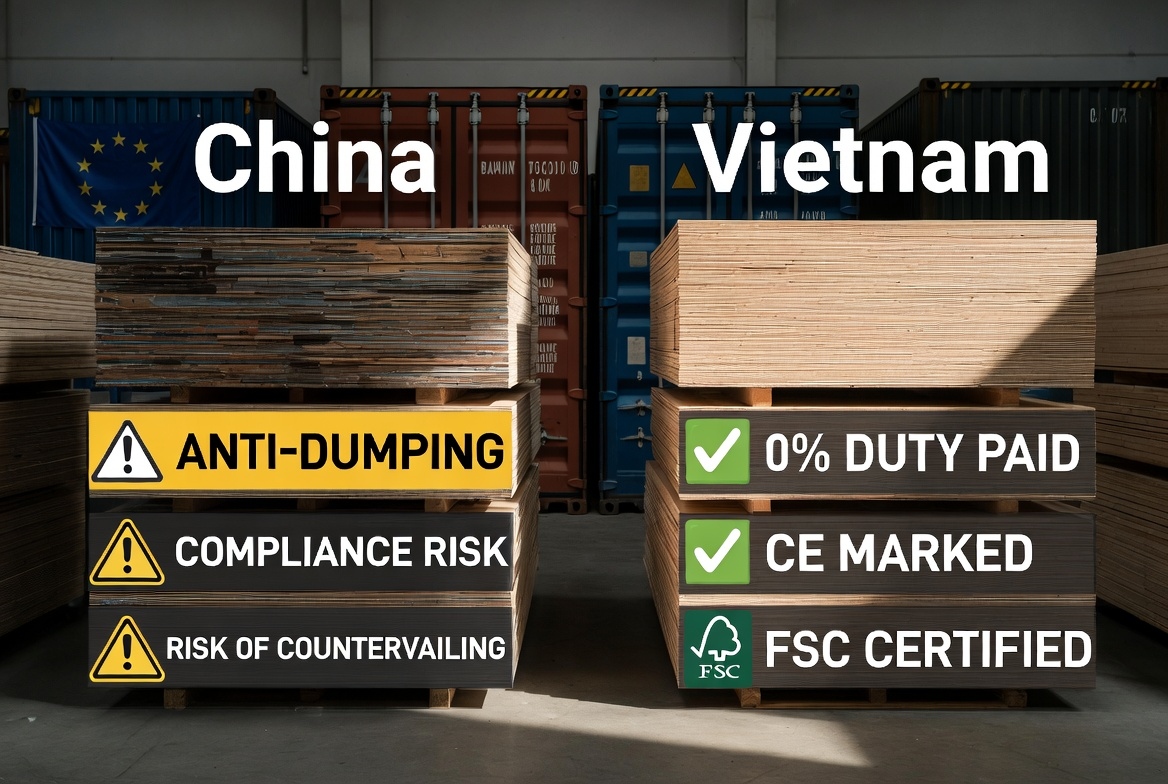
Vietnam has emerged as the leading alternative, not just on price, but on compliance readiness, technical quality, and supply chain transparency. This guide gives EU buyers a direct, data-driven comparison across every factor that matters.
Why EU Buyers Are Switching Away from Chinese Plywood
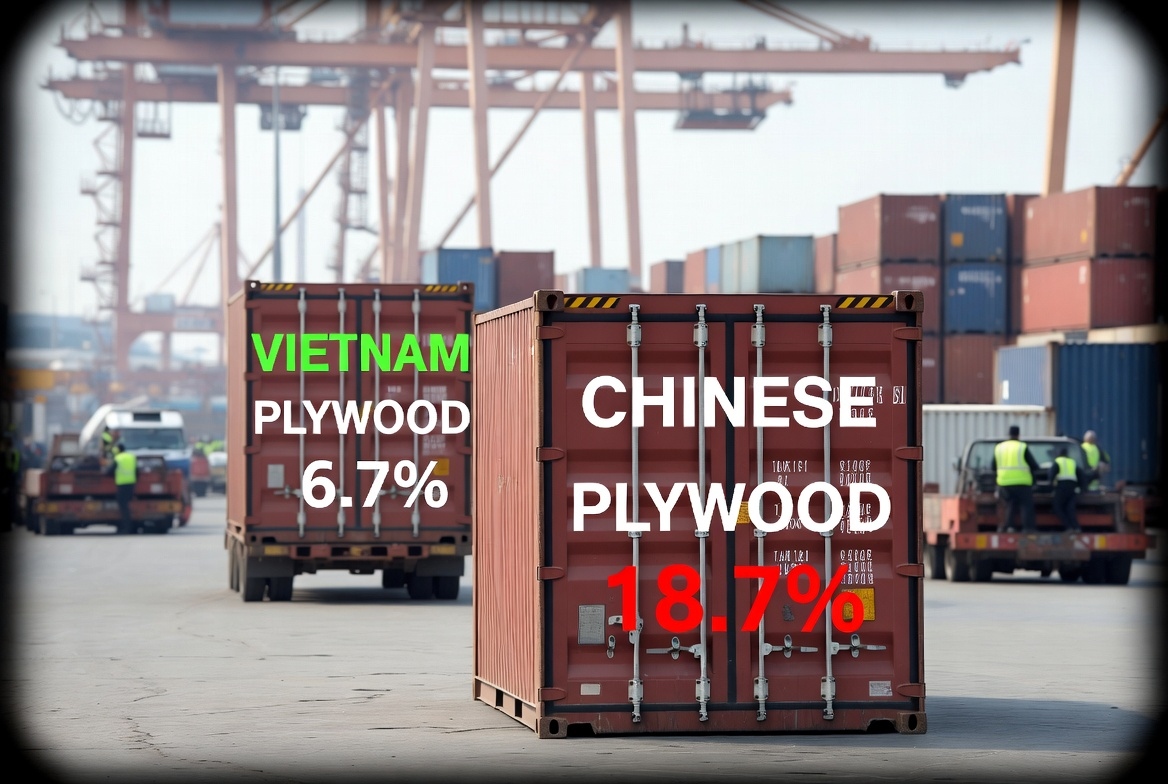
The shift is not sudden. It has been building since the EU imposed definitive anti-dumping measures on Chinese birch plywood in 2021 under Regulation (EU) 2021/1930. The duties range from 6.3% to 18.7% depending on the Chinese exporter, added on top of standard MFN import duties.
Beyond duties, EU buyers face two structural risks with Chinese supply:
- EUDR exposure: China’s forest supply chains are difficult to trace to plot level, making due diligence documentation harder to produce under the EU Deforestation Regulation.
- EN standard gaps: Many Chinese factories produce to GB (Chinese national) standards, not EN 636 or EN 13986, creating friction with EU construction procurement requirements.
Vietnam does not face the same anti-dumping measures. Vietnamese plywood enters the EU under the EU-Vietnam Free Trade Agreement (EVFTA, in force since 2020), which carries 0% import duty for most HS 4412 codes.
For a full breakdown of duty rates and affected HS codes, see: EU Anti-Dumping Duties on Chinese Plywood: Why Vietnam Is the Strategic Alternative
Quality Comparison: Where the Difference Shows Up
Core Construction
The most significant quality gap between premium Vietnamese and budget Chinese plywood comes down to core jointing method.
| Factor | Vietnam (Premium Grade) | China (Standard Grade) |
|---|---|---|
| Core jointing | Composer machine: no gaps, no overlap | Hand-jointed: gaps and overlaps common |
| Core grade | A and B only | Mix of A, B, and C grade accepted |
| Structural result | Uniform load distribution, high durability | Variable strength, higher delamination risk |
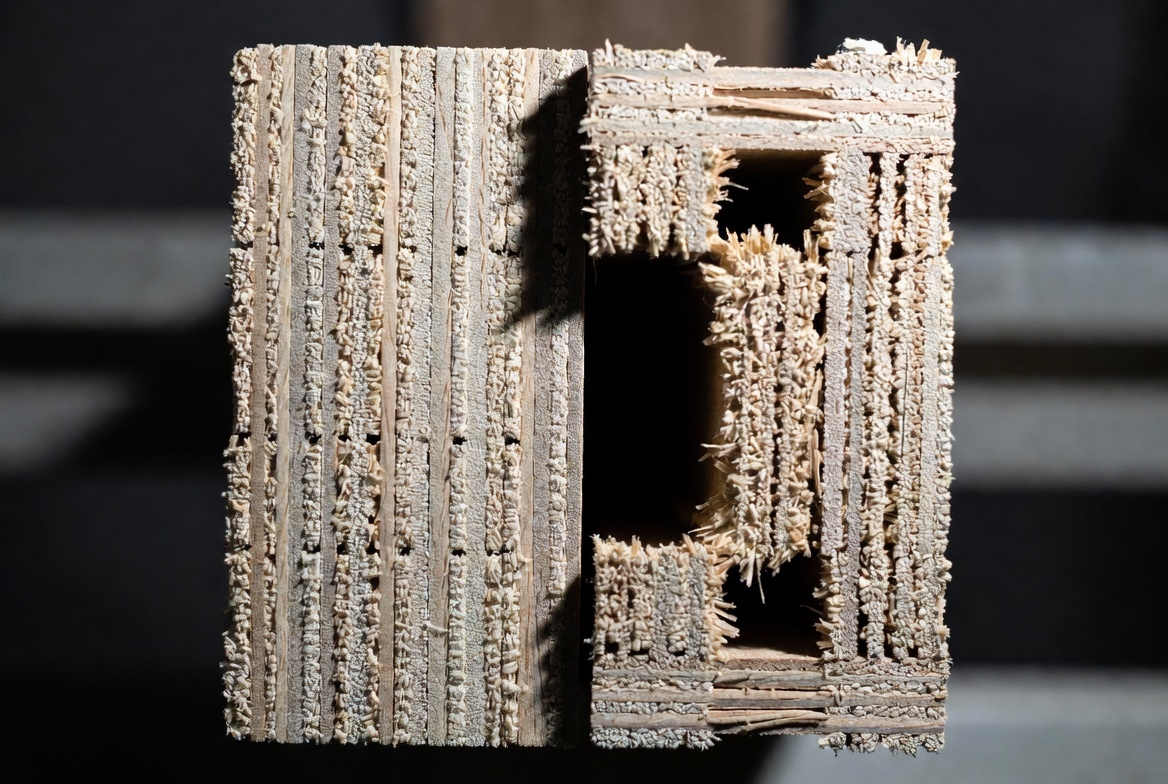
Vietnamese manufacturers using composer machines produce cores with consistent veneer contact. Hand-jointed cores, still standard practice in many Chinese factories, leave micro-gaps that reduce bending strength and accelerate delamination under load or moisture exposure.
Glue Systems
Both origins supply melamine (MR) and phenolic (WBP) glue options. However, a key differentiator is glue purity.
Some Chinese suppliers dilute adhesive with water to reduce costs. This is invisible to the eye but shows up when panels are cut into small sheets: the bond line weakens at the edges. EU buyers who cut large panels into furniture components have reported delamination at cut edges from diluted-glue stock.
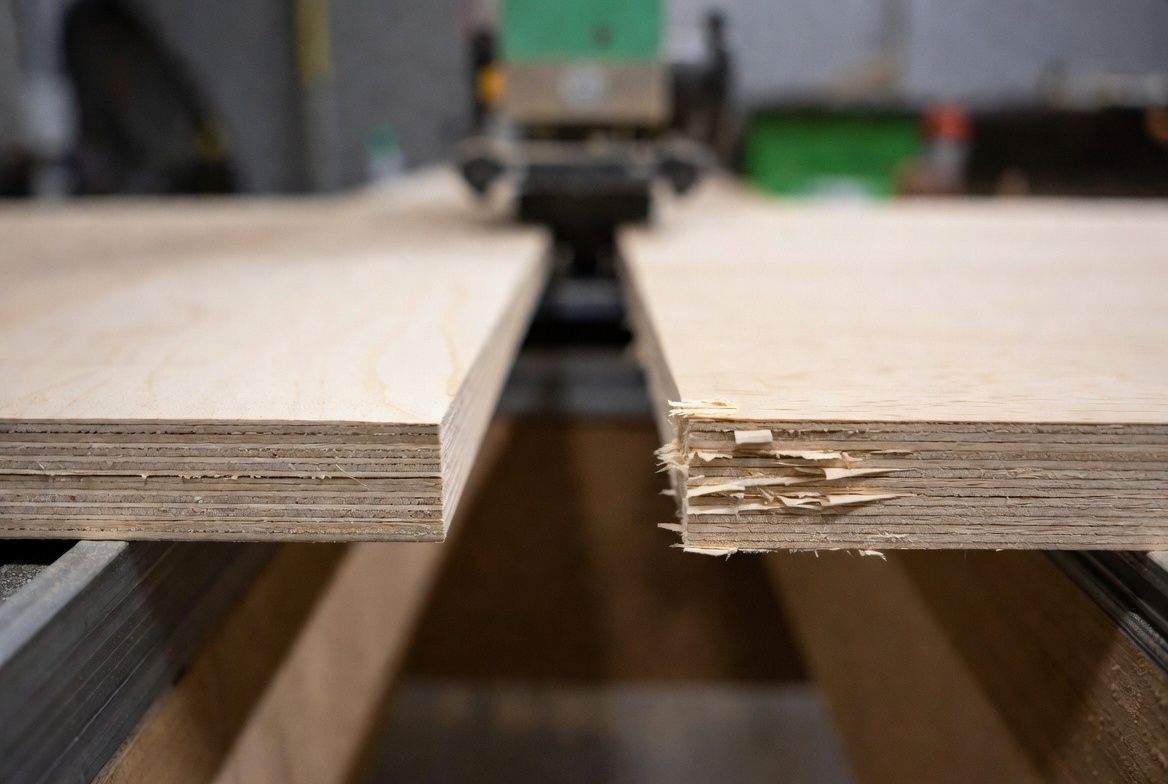
Premium Vietnamese suppliers use pure, undiluted glue, verifiable through EN 314-2 Class 2 or Class 3 bond testing.
For a detailed explanation of glue systems and how to read test reports, see: Phenolic vs Melamine Glue in Plywood
Film Face Density (Film Faced Plywood)
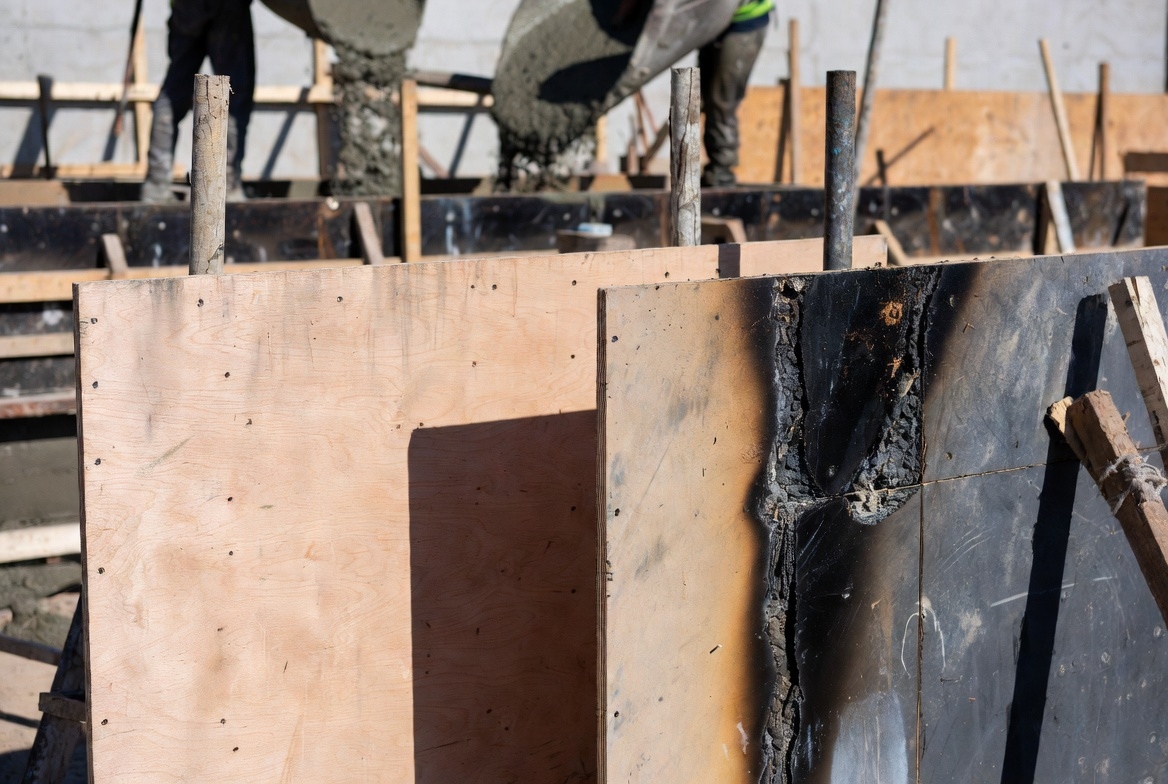
For buyers sourcing film faced plywood for concrete formwork, film density is the critical variable:
| Film Density | Typical Source | Performance |
|---|---|---|
| 90–120 g/m² | Budget Chinese product | Higher defect rate; burning points, film splits common |
| 145–185 g/m² | Premium Vietnamese product | Uniform surface, no defects, more reuse cycles |
Higher film density means thicker, more durable facing, directly translating to more reuse cycles per panel and lower cost per pour for contractors.
Compliance Comparison: CE, EUDR, and FSC
This is where the competitive gap between Vietnam and China is most consequential for EU buyers.
CE Marking (EN 13986)
CE marking is mandatory for plywood sold for structural and construction applications in the EU. It requires:
- Testing to EN 636 (structural plywood) or EN 13986
- Initial type testing by a Notified Body
- Factory Production Control (FPC) audit
- Declaration of Performance (DoP)
Vietnam: A growing number of Vietnamese factories hold valid CE marking under EN 13986, with FPC certificates from EU Notified Bodies. Documentation is increasingly available in English and structured to EU buyer expectations.
China: CE marking exists among Chinese exporters, but counterfeit or misrepresented CE documentation is a documented problem. The European Commission has flagged plywood among product categories with CE marking non-compliance.
Always verify CE marking by checking the Notified Body number against the EU NANDO database at ec.europa.eu/growth/tools-databases/nando.
To learn how to verify a Vietnamese factory’s CE documentation step by step, read: How to Find a Vietnam Plywood Factory with a CE Certificate
EUDR (EU Deforestation Regulation)
Under Regulation (EU) 2023/1115, plywood importers must provide due diligence statements demonstrating that products are deforestation-free. Enforcement applies from December 30, 2025 for large operators.
| Requirement | Vietnam | China |
|---|---|---|
| GPS plot-level traceability | Achievable: acacia and eucalyptus plantation supply chains are documented | Difficult: complex forest supply chains across multiple provinces |
| FSC Chain of Custody | Available from FSC-certified Vietnamese factories | Available but patchwork coverage |
| Country risk classification | Not yet classified as high-risk | Complex timber sourcing raises due diligence burden |
Vietnamese plantation wood (acacia, eucalyptus, rubber) is grown on registered agricultural land, making GPS coordinate documentation straightforward for compliant factories.
FSC Certification
FSC Chain of Custody certification is increasingly a minimum requirement for EU public procurement and many private sector buyers, including IKEA supply chain participants and construction contractors with green building commitments.
FSC-certified Vietnamese factories can issue FSC-labelled invoices and packing lists, enabling buyers to pass FSC claims down their supply chain.
Price Comparison: Total Cost of Ownership
Sticker price comparisons are misleading. EU buyers need to calculate total landed cost, including:
| Cost Factor | Vietnam | China |
|---|---|---|
| Product price (FOB) | Comparable to China for equivalent grade | Lower for bottom-grade product |
| EVFTA import duty | 0% (most plywood HS codes) | MFN rate + anti-dumping duty 6.3–18.7% |
| Compliance documentation | Included by certified factories | Additional cost to obtain/verify |
| Quality rejection rate | Lower for machine-jointed, tested product | Higher risk for undocumented grade mixing |
| Delamination/defect claims | Lower warranty claim frequency | Higher reported claim rate for diluted-glue product |
For birch-equivalent structural plywood, Vietnamese product at 0% duty is price-competitive or cheaper landed than Chinese product subject to anti-dumping measures, before accounting for compliance documentation costs.
What EU Buyers Should Verify When Sourcing from Vietnam
Before placing a first order, request and verify:
- CE marking package: DoP, FPC certificate, Notified Body reference number
- EN 314-2 bond test reports: Class 2 minimum for interior/furniture, Class 3 for formwork
- EN 310 bending strength test reports: MOR and MOE values for the specific thickness
- FSC Chain of Custody certificate: if FSC labelling is required
- EUDR-ready documentation: GPS coordinates of wood source, species confirmation, land use documentation
- Factory Production Control audit reports: from the Notified Body, not self-declared
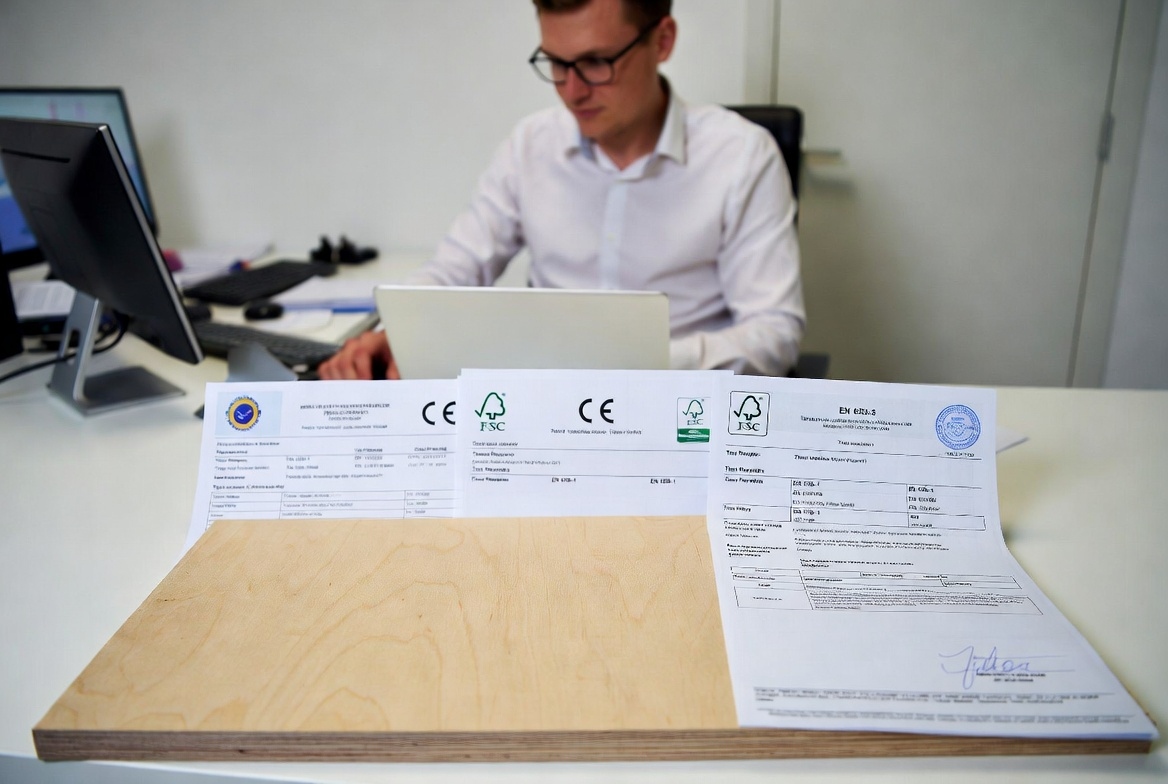
For the complete document checklist, see: What Documents to Request from a Vietnam Plywood Supplier (EU Checklist)
Kosmex Group: Built for EU Compliance
Kosmex Group manufactures film faced plywood, commercial plywood, and bed slats with EU market requirements as the baseline, not as an afterthought:
- Composer machine core jointing: no gaps, consistent bending strength
- Film face density 145–185 g/m² for film faced plywood: tested, defect-free surface
- Pure phenolic glue option: EN 314-2 Class 3 bond, 72-hour boiling test passed
- A and B grade core only for commercial plywood: no grade mixing
- FSC Chain of Custody certified
- Full CE documentation package available for EU buyers
Conclusion
For EU buyers, the case for Vietnam over China is no longer just about price. It is about total landed cost after anti-dumping duties, compliance certainty for CE and EUDR requirements, and supply chain traceability.
Premium Vietnamese suppliers have invested in the equipment, certifications, and documentation infrastructure that EU procurement teams require. The quality gap in core construction and glue systems is measurable and consequential for product performance.
The question for EU buyers is not whether to source from Vietnam, but how to identify the Vietnamese suppliers who genuinely meet EU standards versus those who only claim to.
Ready to evaluate Kosmex Group for your next order? Contact us for technical documentation, samples, and a competitive quote.
Bình luận