


Best Plywood for Outdoor Use (2026 Guide): 5 Types Compared & How to Choose
Choosing the wrong panel outdoors often leads to warping, rot, and costly replacements within months. Many buyers don’t fully understand what makes the best plywood for outdoor use, from adhesive type to core quality.
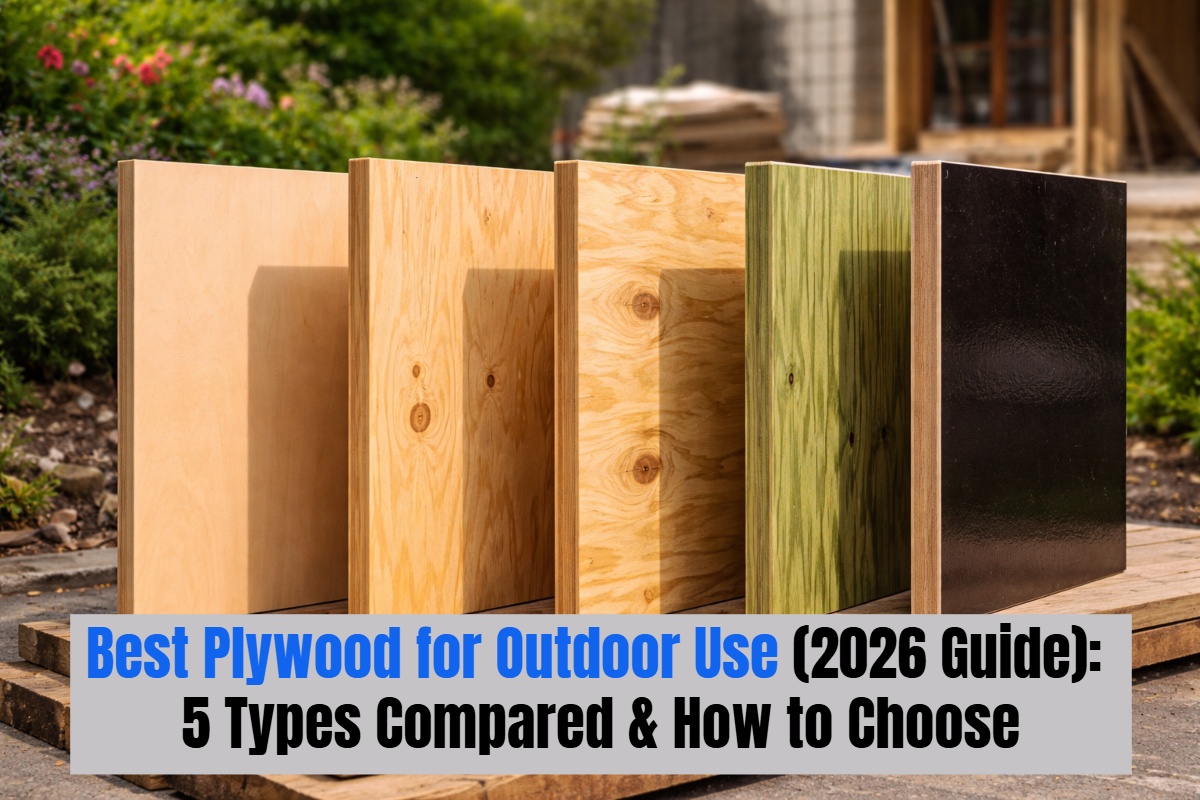
On this guide, Kosmex Plywood will help you avoid those mistakes and choose the right option for durability, appearance, and budget.
What Makes Plywood Suitable for Outdoor Use?
Plywood suitability for outdoor use comes down to two independent factors: the adhesive system and the veneer quality. Both matter, and understanding them separately prevents common specification errors.

The Adhesive System
Interior plywood uses MR (Moisture Resistant) melamine adhesive, which resists occasional humidity but is not designed for direct water contact or sustained moisture exposure. Exterior plywood uses WBP (Water Boiled Proof) phenolic adhesive, which resists continuous moisture, boiling water immersion, and repeated wet-dry cycling without bond failure.
The WBP adhesive is what the “X” grade designation refers to in North American grading (CDX, ACX). Even in the wettest conditions, WBP-bonded plywood will not delaminate at the glue lines. However, the wood fibers themselves will still absorb moisture and are susceptible to rot and surface degradation without a protective finish.
Veneer Quality and Core Construction
Beyond adhesive, the quality of the veneer layers and the absence of internal voids determine how long an outdoor panel holds up. Panels with voids (hollow gaps between plies) trap moisture once it enters through cut edges or fastener holes, accelerating internal rot from the inside out. Marine plywood is specifically defined by its void-free core construction. CDX and ACX plywood permit voids in the inner plies, which is acceptable for covered structural use but less ideal for fully exposed surfaces.
Best Plywood for Outdoor Use: 5 Main Types
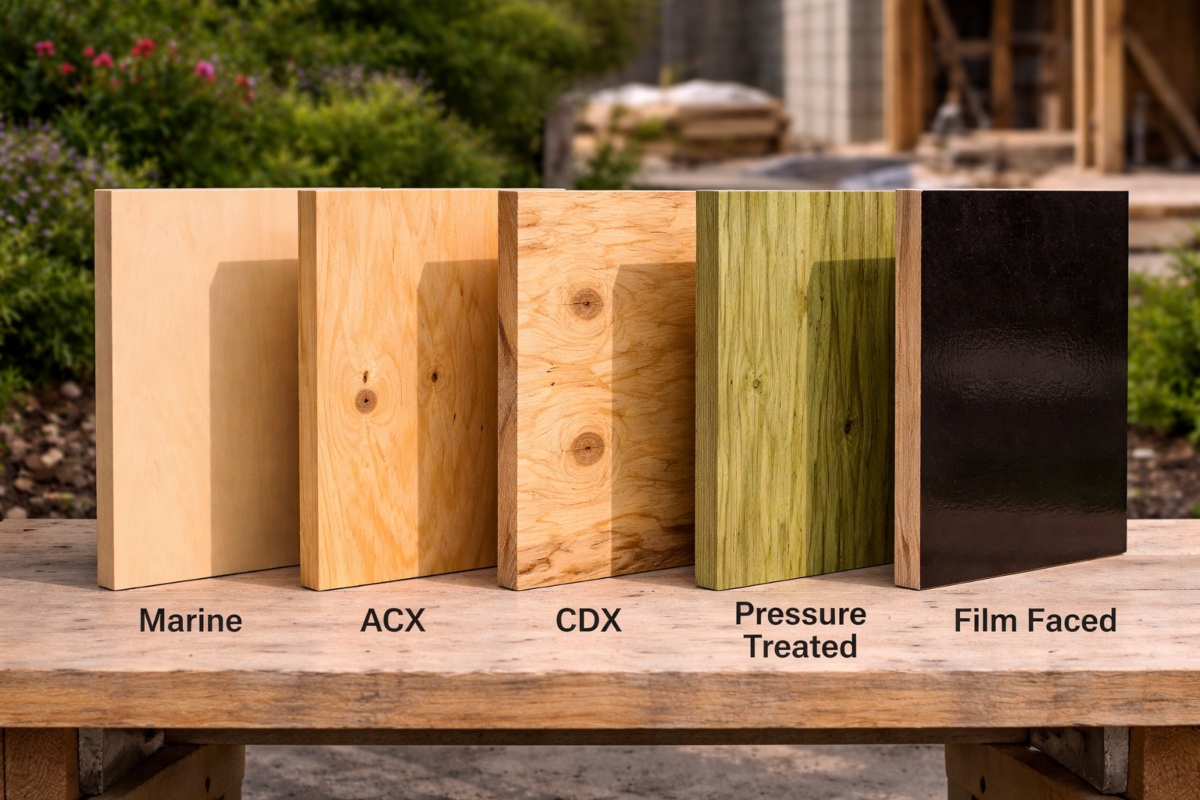
1. Marine Plywood: Best for Maximum Durability and Moisture Exposure
Marine plywood is the highest-performance outdoor panel available. It uses WBP phenolic adhesive throughout, void-free core construction with no internal gaps or hollow layers, and high-quality face and back veneers (typically BB/BB or better grading under standards such as BS1088). Both faces are smooth and suitable for finishing.
The void-free core is what distinguishes marine plywood from all other exterior grades. In a standard CDX panel, water entering through a cut edge can migrate into an internal void and sit there, causing rot from within. In a marine-grade panel, there is nowhere for water to pool: every ply is tight against the next, so moisture that enters at an edge must work through solid wood fiber rather than finding a hollow pocket.
Best applications: boat building, dock construction, pontoon decking, outdoor furniture where both faces will be visible, curved outdoor structures, and any application requiring the longest possible service life in wet or marine environments.
Key limitation: significantly more expensive than all other exterior grades. For most standard outdoor projects, ACX delivers equivalent practical performance at a lower cost.
Kosmex Group supplies eucalyptus-core marine plywood with WBP bonding and void-free construction for marine and waterside applications. See our film faced plywood for related construction-grade waterproof panel options.
2. ACX Plywood: Best All-Round Choice for Outdoor Furniture and Visible Surfaces
ACX plywood has an A-grade face (smooth, nearly knot-free, suitable for paint or stain), a C-grade back (some defects permitted, not intended for finishing), and exterior-grade WBP adhesive. Unlike marine plywood, it may have some voids in the inner plies, but the smooth A-grade face makes it the most practical choice for outdoor projects where one surface will be visible.
The A-grade face takes paint, stain, and exterior clear coat cleanly, which means ACX plywood can produce a professional-looking finished surface for garden furniture, pergolas, planters, and outdoor cabinetry. The C-grade back is acceptable for most projects where only one face will be seen.
Best applications: outdoor furniture (tables, benches, garden chairs), visible deck surfaces, pergolas and gazebos, garden storage boxes, outdoor cabinetry, and any project where one face needs a quality finished appearance.
Key limitation: inner ply voids mean it is not as moisture-resilient as marine plywood at cut edges and fastener holes. Sealing all edges and fastener holes immediately is critical.
Recommended thickness: 3/4 inch (18 mm) for structural outdoor furniture; 1/2 inch (12 mm) for panels and secondary components.
3. CDX Plywood: Best Budget Option for Covered Structural Applications
CDX plywood is the standard construction-grade exterior panel, with a C-grade face, D-grade back (lowest commercial grade, with knotholes up to 2.5 inches and significant surface imperfections), and exterior WBP adhesive. It is the most widely available and lowest-cost exterior-grade plywood.
The D-grade back surface is rough and visually unappealing, and no amount of sanding produces a clean finished surface from a D-grade veneer. CDX is not a furniture-grade material. Its value is in structural applications where the panel will be covered by another material: roof sheathing under shingles, wall sheathing under siding, shed framing, and subflooring in covered structures.
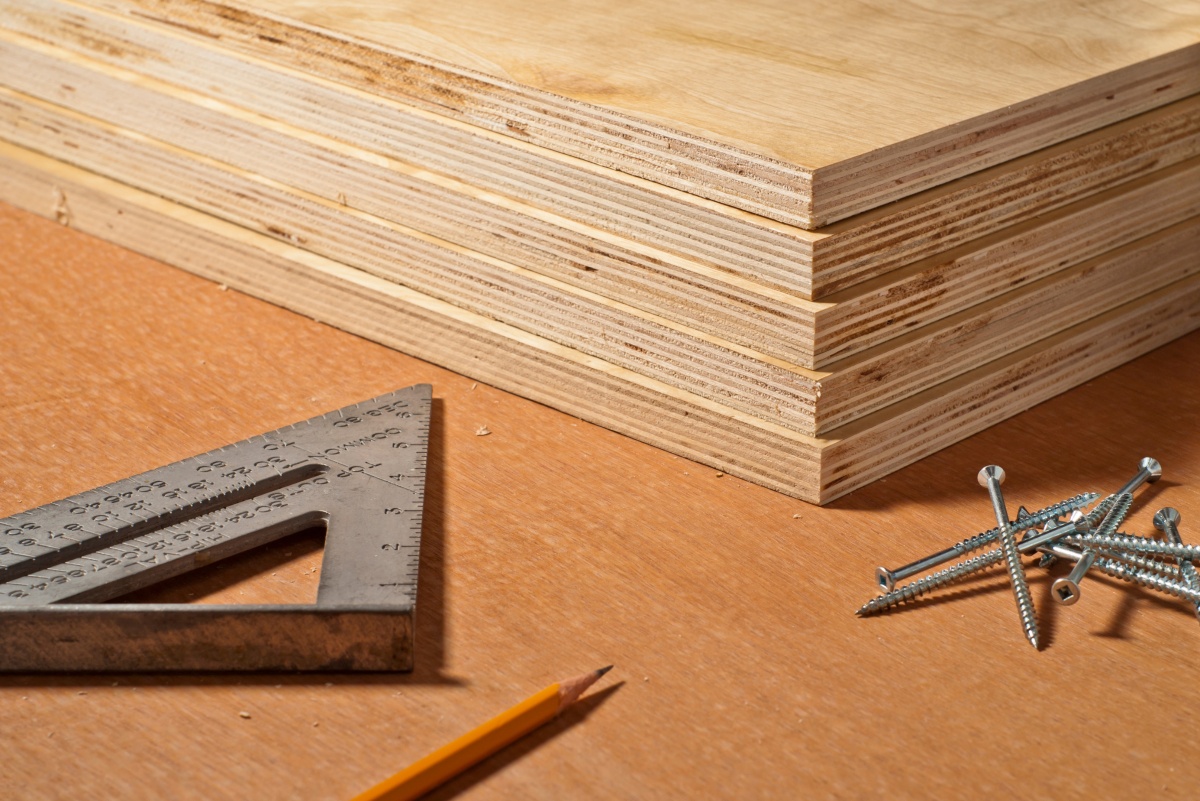
Best applications: roof decking under shingles or roofing membrane, exterior wall sheathing, shed floor and wall panels, subflooring in weatherproof structures, and any structural application that will be covered by a finish material.
Key limitation: the D-grade veneer surface is not suitable for painting or staining as a finished surface. Do not use CDX for outdoor furniture or any visible application.
For context on how CDX plywood compares to OSB in structural sheathing applications, our CDX plywood vs OSB guide covers performance differences in wet conditions in detail.
4. Pressure-Treated Plywood: Best for Ground Contact and High-Moisture Environments
Pressure-treated plywood is impregnated with chemical preservatives, typically copper-based compounds, under vacuum and pressure during manufacturing. These preservatives penetrate the wood fibers and resist rot, mold, fungal decay, and termite attack from within the wood itself, not just at the surface.
This is the only appropriate choice for ground-contact applications: raised garden beds, deck posts, foundation walls, sill plates, and any structure where the panel will be in direct contact with soil or standing water. Standard exterior plywood, even with WBP adhesive, will rot at ground contact over time because the wood fibers themselves are susceptible to decay organisms once the surface finish degrades.
Best applications: raised garden beds, ground-contact deck framing, shed floor panels in contact with soil or concrete, foundation wall applications, and any high-moisture environment with sustained water exposure.
Key limitation: the chemical preservatives make pressure-treated plywood unsuitable for any food-contact surface. Always wear gloves and a dust mask when cutting. The treated surface is rougher than standard plywood and requires additional preparation for a smooth finish.
5. Film Faced Phenolic Plywood: Best for Heavy-Duty Work Surfaces and Construction
Film faced plywood uses an exterior-grade plywood core (typically eucalyptus or eucalyptus-dominant for maximum density) bonded with a phenolic resin film on the face and back. The film dramatically increases surface hardness, water resistance, and abrasion resistance, transforming a structural panel into one that can withstand the repeated physical demands of construction formwork, scaffold boards, and heavy-duty site use.
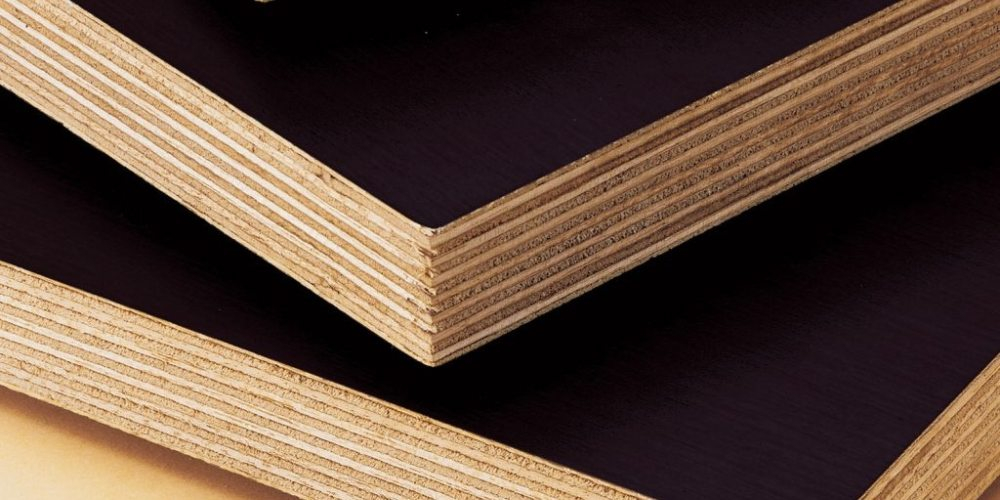
For outdoor work surfaces, loading ramps, and platforms, film faced plywood with an anti-slip hexagon or wire mesh pattern provides a safe, grip-textured surface that resists moisture and wear. The phenolic film also makes the panel much easier to clean than an uncoated surface.
Best applications: concrete formwork, construction scaffolding, outdoor work platforms, truck and trailer flooring, loading ramps, and permanent outdoor surfaces subject to heavy traffic or repeated water contact.
Kosmex Group’s anti-slip film faced plywood is available in hexagon and wire mesh patterns on a eucalyptus core for maximum density and durability.
Outdoor Plywood Comparison Table
Here is a side-by-side summary of the five main exterior plywood types across the criteria that matter most for outdoor specification:
| Type | Adhesive | Voids? | Surface Grade | Cost | Best For |
| Marine Plywood | WBP Phenolic | None (void-free) | AA / AB / BB | Highest | Boats, docks, premium furniture |
| ACX Plywood | WBP | Some inner voids | A-face / C-back | Moderate | Outdoor furniture, visible surfaces |
| CDX Plywood | WBP | Some voids | C-face / D-back | Budget | Roof sheathing, shed structure |
| Pressure-Treated | WBP + preservative | Varies | Rough utility | Moderate | Ground contact, raised beds |
| Film Faced | WBP Phenolic | None (good quality) | Phenolic film | Moderate-High | Formwork, platforms, ramps |
How to Choose the Best Plywood for Your Outdoor Project
Matching the right plywood type to a project requires working through four questions in order:
Step 1: What Is the Weather Exposure Level?
Fully exposed to rain and UV with no overhead cover: ACX plywood with thorough sealing on all surfaces and edges, or marine plywood for premium applications. CDX is not ideal for fully exposed finished surfaces.
Covered or partially sheltered (under eaves, a roof, or siding): CDX is entirely appropriate for structural components in covered locations. ACX if one face will remain visible.
Ground contact or standing water: pressure-treated plywood only. No other plywood type, regardless of adhesive rating, is designed for sustained ground-contact conditions.
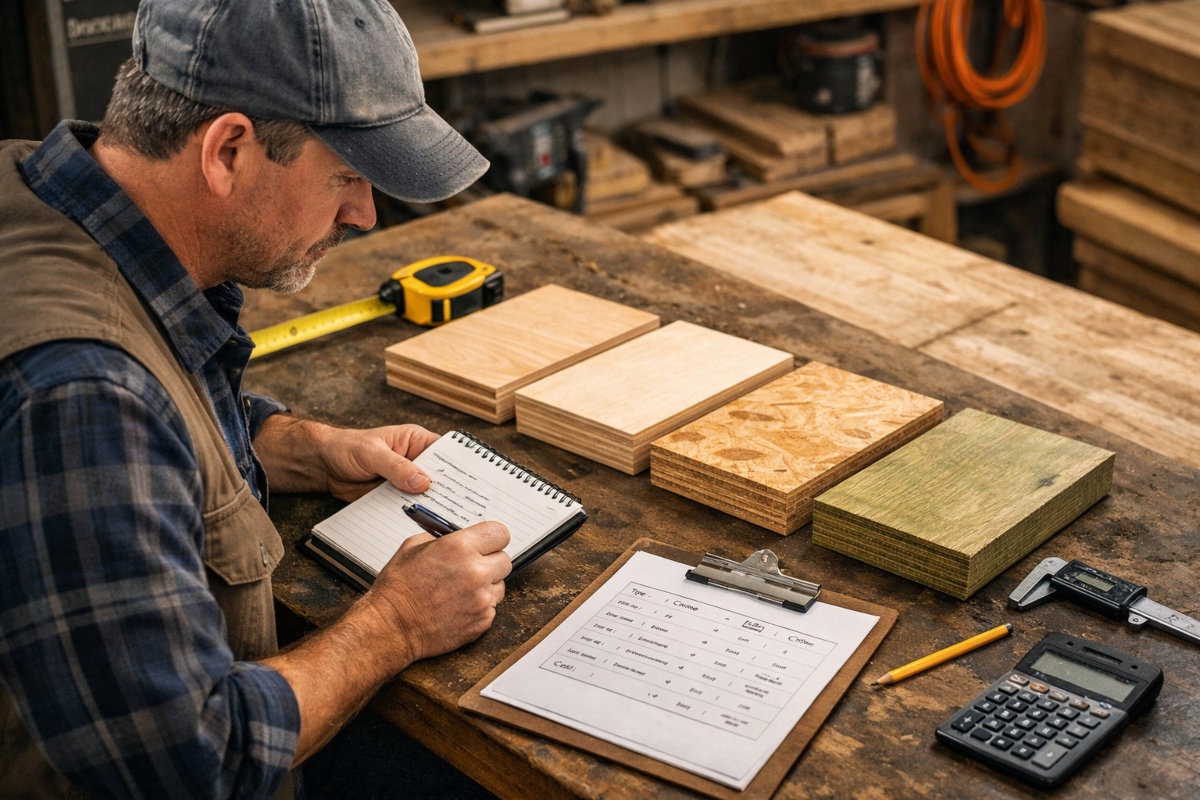
Step 2: Does the Surface Need to Look Good?
If one face will be visible in the finished project (garden furniture, an outdoor cabinet, a pergola panel), choose ACX or marine plywood. The A-grade or BB-grade face provides a surface that accepts paint, exterior stain, and clear coat cleanly.
If the panel will be entirely covered by another material (roof shingles, wall cladding, flooring tiles), use CDX to save cost without any practical trade-off.
Step 3: What Thickness Does the Application Require?
- 1/4 inch (6 mm): lightweight backing panels and decorative facing only; not structural outdoors
- 1/2 inch (12 mm): outdoor furniture panels, light shelving, cabinet sides
- 5/8 inch (15 mm): roof sheathing and intermediate structural components
- 3/4 inch (18 mm): outdoor furniture carcasses, deck surface panels, structural flooring
For standard plywood dimension reference across all applications, see our standard plywood sizes complete guide.
Step 4: What Is the Budget?
For budget-sensitive structural work that will be covered: CDX is the correct choice and performs reliably for 20 or more years in covered applications when installed with proper drainage and ventilation. For visible outdoor surfaces: ACX delivers the best value. Reserve marine plywood for applications where the higher cost is justified by the specific requirements of the project, such as boat building or premium outdoor installations where maximum longevity is the primary specification goal.
How to Waterproof and Seal Plywood for Outdoor Use
Even the best exterior plywood for outdoor use will fail prematurely without proper sealing. The adhesive system prevents delamination, but it does not protect the wood fibers from moisture absorption, rot, and UV degradation. Sealing is not optional: it is the factor that most determines how long any outdoor plywood project lasts.
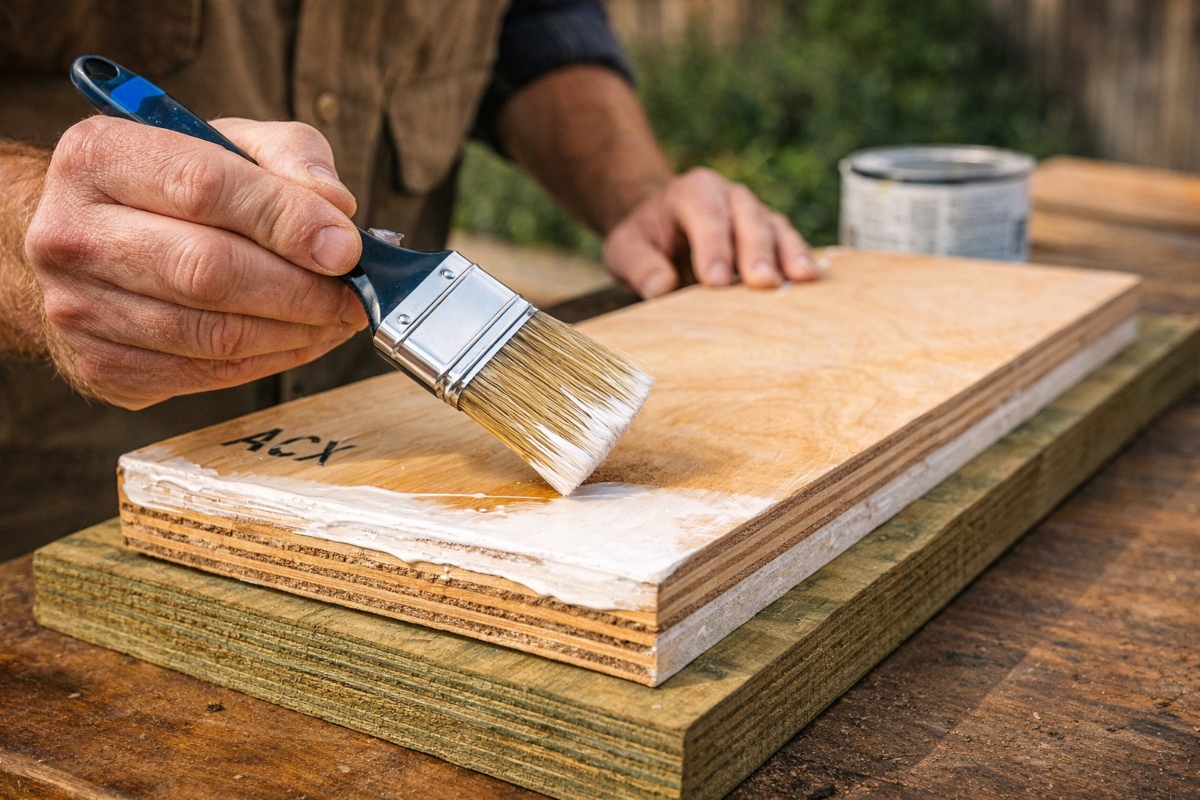
Best Way to Seal Plywood for Outdoor Use
The most effective sealing approach for outdoor plywood follows this sequence:
- Step 1: Seal the edges first: cut edges are the most vulnerable part of any plywood panel because end grain absorbs water many times faster than face grain. Apply two or more coats of epoxy sealer, exterior-grade wood primer, or purpose-made edge sealant before installation. This single step has the greatest impact on panel longevity.
- Step 2: Prime all faces: apply an exterior-grade primer to both faces (not just the visible face) before the topcoat. Priming the back face prevents moisture from entering through the concealed side, which is often neglected and is a common failure point.
- Step 3: Apply exterior topcoat: use a UV-resistant exterior paint, exterior wood stain, or clear exterior finish. Two coats minimum. Apply to all faces, edges, and around any fastener holes.
- Step 4: Maintain the finish: even the best exterior finish degrades over time with UV and weather exposure. Inspect annually and reapply as needed before the underlying wood surface becomes exposed.
Best Way to Treat Plywood for Outdoor Use: Epoxy vs Paint vs Stain
Epoxy sealant: the most protective option, forming a hard, impermeable barrier on the wood surface. Particularly recommended for edges and for panels in marine or fully exposed applications. Epoxy-coated panels are significantly more moisture-resistant than paint-coated equivalents. The trade-off is higher material cost and more demanding application.
Exterior paint: the most common approach for outdoor furniture and structures. Provides good UV and moisture protection when applied in two or more coats over primer. Requires maintenance and reapplication as it eventually cracks and peels.
Exterior wood stain: penetrates into the wood fiber rather than forming a surface film, which means it does not peel like paint but also provides less barrier protection. Best for projects where the natural wood grain is part of the aesthetic. Requires more frequent reapplication than paint.
Exterior clear finish: polyurethane or spar varnish provides UV protection and moisture resistance while showing the natural wood. Requires regular maintenance, particularly in fully sun-exposed applications where UV degradation is accelerated.
Most critical tip: Seal all cut edges immediately after cutting, before installation. Unsealed end grain is the leading cause of premature failure in outdoor plywood projects, regardless of panel type or quality.
Plywood vs OSB for Outdoor Use
A common question when specifying outdoor panels is whether OSB (Oriented Strand Board) is a viable alternative to plywood for exterior applications. OSB is widely used in construction sheathing and is typically less expensive than equivalent exterior plywood.
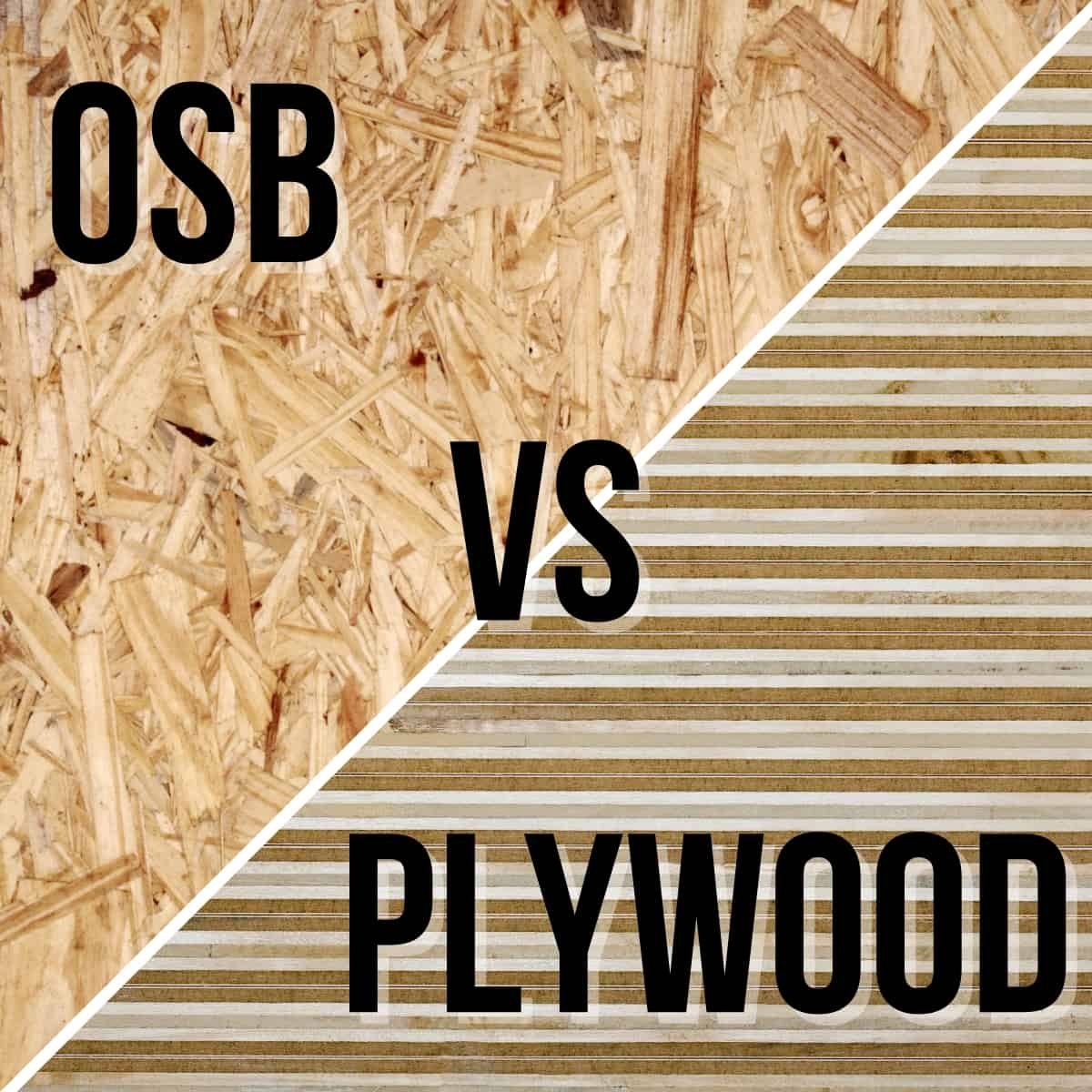
For covered structural applications such as wall sheathing and roof decking under protective cladding, OSB performs acceptably and is widely specified. For exposed or semi-exposed applications, OSB has a meaningful disadvantage: its compressed strand core absorbs moisture more readily than plywood veneer, and once saturated, it takes much longer to dry. Sustained moisture exposure causes OSB to swell permanently at its edges, which does not happen to the same degree with properly graded exterior plywood.
For outdoor furniture, visible surfaces, and applications where the panel may face direct water contact without constant drainage and ventilation, exterior-grade plywood is the more reliable specification than OSB. For construction sheathing that will be quickly protected by cladding or roofing, OSB is a cost-effective and code-accepted alternative.
See our CDX plywood vs OSB comparison for a detailed breakdown of how the two materials compare in moisture performance.
Best Plywood for Specific Outdoor Projects
Best Plywood for Outdoor Furniture
ACX plywood at 3/4 inch (18 mm) is the best specification for most outdoor furniture: tables, benches, garden chairs, and storage boxes. The A-grade face takes exterior stain or paint cleanly, the WBP adhesive prevents delamination, and the 3/4 inch thickness provides the structural rigidity needed for load-bearing furniture components.
If both faces of the panel will be visible (such as a table with an exposed underside), step up to marine plywood or a panel with a B-grade back rather than C-grade. For garden furniture with painted finishes where only one face is visible, ACX is the most practical choice. Seal all edges with epoxy before assembly.
Best Plywood for a Shed
For shed construction, the specification depends on which component is being specified. CDX at 5/8 inch or 3/4 inch is appropriate for wall sheathing that will be covered by siding, roof decking that will be covered by roofing membrane and shingles, and floor panels that will not be directly ground-contacted. If the shed floor will be close to or on a concrete base with potential moisture wicking, pressure-treated plywood is the safer specification for the floor.
Best Plywood for Decking
For deck surfaces that people walk on and that face full weather exposure, pressure-treated plywood at 3/4 inch is the standard specification for the structural substrate. The face surface of deck panels is typically covered with decking boards rather than left as finished plywood, so surface grade is secondary to structural performance and rot resistance.
For a full comparison of plywood vs OSB in subfloor and structural decking applications, see our subfloor plywood guide.
Best Plywood for Garden Beds and Ground Contact
Pressure-treated plywood only for any panel in direct contact with soil or standing water. Untreated plywood, even marine grade, will rot at ground contact over time because the wood fibers are susceptible to soil-dwelling decay organisms once any surface finish degrades. Check that the pressure-treated specification is rated for ground contact (UC4B rating) rather than above-ground only.
If long-term rot resistance is a priority, it’s worth comparing wood against metal options before building. WorthRated’s metal vs. wood raised garden bed comparison breaks down the tradeoffs in durability, cost, and maintenance between the two materials.
Frequently Asked Questions
What plywood is best for outdoor use?
ACX plywood is the best all-round choice for most outdoor applications where appearance matters. Use marine plywood for maximum durability in wet or marine environments. Use CDX for covered structural applications where the panel will be hidden behind cladding or roofing. Use pressure-treated plywood for any ground-contact or high-moisture application.
What is the best waterproof plywood for outdoor use?
Marine plywood is the most waterproof standard plywood panel available, using WBP phenolic adhesive throughout and void-free core construction that eliminates the internal moisture traps present in lower-grade panels. Film faced plywood with a phenolic resin surface coating provides the highest resistance to direct water contact and abrasion for heavy-duty outdoor work surfaces. No plywood panel is entirely waterproof without surface sealing.
What is the best way to waterproof plywood for outdoor use?
The most effective waterproofing approach is: apply epoxy sealant to all cut edges first (this is the most critical step), prime both faces with exterior-grade primer, then apply two coats of UV-resistant exterior paint, stain, or clear finish to all surfaces. Seal around all fastener holes. Maintain the finish annually. Epoxy edge sealing has the single greatest impact on panel longevity in outdoor conditions.
Is CDX plywood good for outdoor use?
CDX is appropriate for covered outdoor structural applications: roof sheathing under protective cladding, wall sheathing behind siding, and shed framing. It is not suitable for exposed finished surfaces or outdoor furniture because its D-grade back veneer cannot be sanded or finished to an acceptable surface quality. In covered structural use with proper installation, CDX can last 20 or more years.
Can you use birch or Baltic birch plywood outdoors?
Birch plywood is not recommended for outdoor use without extensive preparation. Standard Baltic birch uses MR (interior-grade) adhesive, which will delaminate with sustained moisture exposure. Even WBP-bonded birch plywood is more moisture-susceptible than eucalyptus due to birch’s lack of natural protective oils. If birch must be used in a semi-outdoor application, apply thorough epoxy encapsulation on all surfaces and edges and monitor condition closely.
How long does outdoor plywood last?
With proper sealing and installation: CDX in covered applications lasts approximately 15 to 25 years; ACX with proper finishing lasts 20 to 30 years in moderate weather exposure; marine plywood with full encapsulation can exceed 30 to 50 years; pressure-treated plywood lasts 20 to 40 years even in ground contact. Unsealed panels of any type fail significantly faster, often within 2 to 5 years in fully exposed conditions.
Conclusion: Which Outdoor Plywood Is Right for You?
The best plywood for outdoor use depends entirely on the specific demands of the application. Beyond material selection, matching the right outdoor products and tools to the finished structure matters too — for buying guides on everyday outdoor and home equipment, see WorthRated. For most outdoor furniture and visible surfaces, ACX plywood delivers the right balance of appearance, weather resistance, and cost.
For covered structural applications, CDX is the economical default. For ground contact and sustained moisture, pressure-treated plywood is the only appropriate choice. And for premium applications requiring maximum longevity or marine conditions, marine plywood is worth the investment.
Whatever type you choose, remember that sealing all edges and surfaces before installation is the single most important factor in outdoor plywood performance. A well-sealed CDX panel will outlast a poorly protected marine panel every time. The quality of the finish and maintenance routine matters more than the panel grade alone.
For construction-grade panels with verified WBP adhesive and phenolic surface treatments, Kosmex Group supplies film faced plywood and anti-slip film faced plywood suitable for demanding outdoor and construction applications. For general panel specification guidance, our plywood grades guide and commercial plywood product range provide the information needed to complete a well-informed outdoor plywood specification.
Bình luận