


These defects may not be easy to see from the surface, but they can affect plywood strength, surface stability, bonding quality, load-bearing capacity, and long-term performance.
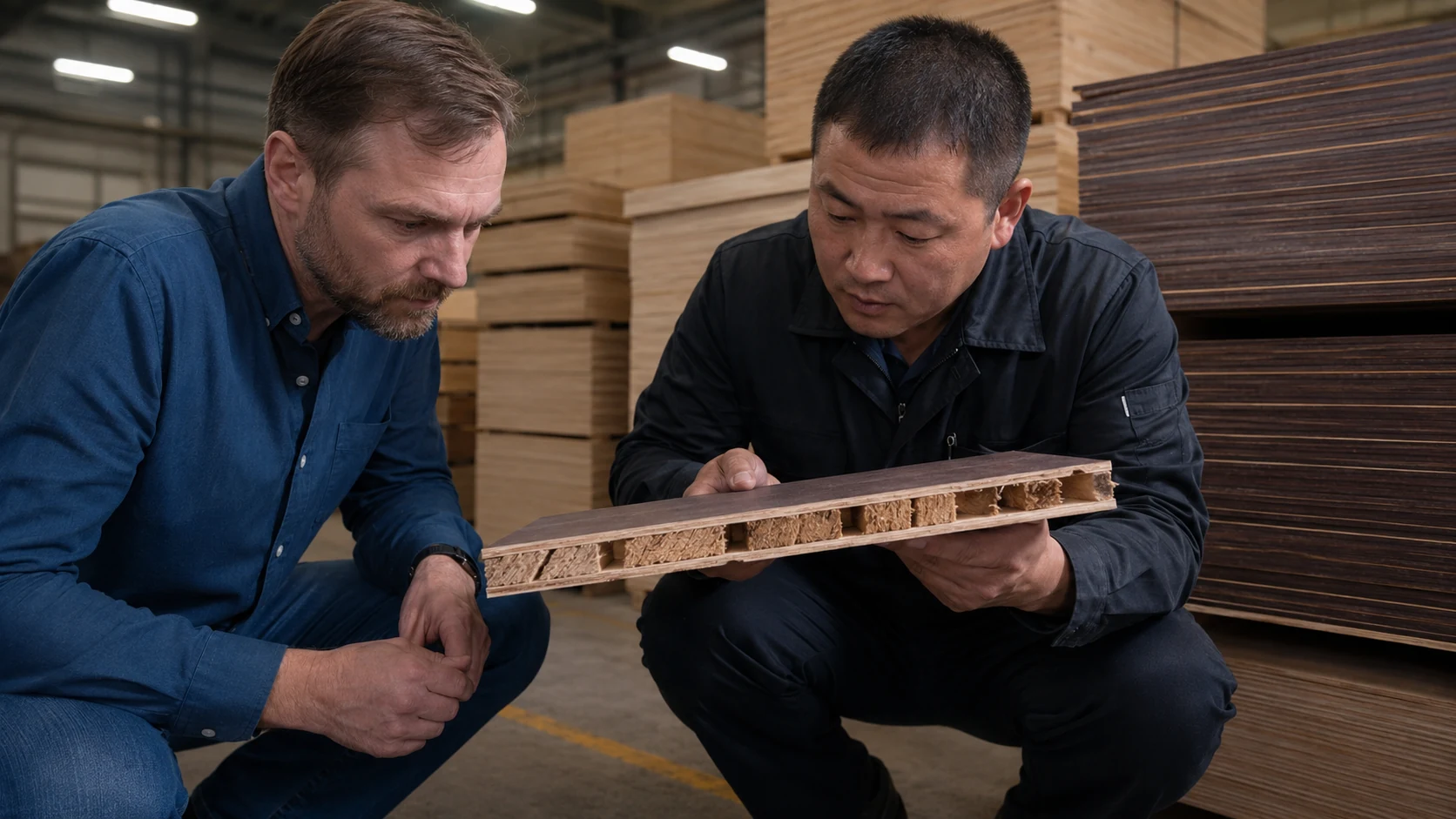
At Kosmex Plywood, we use composer machine core jointing for premium plywood products to help create a more stable core structure with no core overlap and reduced core gap risk. This is especially important for demanding products such as film faced plywood, commercial plywood, anti-slip film faced plywood, and bed slats.
What Is a Core Gap in Plywood?
A core gap is an empty space between veneer pieces inside the plywood core. It happens when veneer pieces are not joined closely or evenly during the core assembly process.

In simple terms, a core gap means that part of the plywood structure is missing internal support. Even if the plywood surface looks smooth, the board may have hidden weak spots inside.
Why Core Gaps Happen
Core gaps can happen for several reasons:
- Poor veneer arrangement before pressing.
- Manual core jointing with inconsistent alignment.
- Low-quality or irregular veneer pieces.
- Incorrect core sorting before production.
- Insufficient production control during core assembly.
If the core pieces are placed by hand, the final quality depends heavily on the worker’s skill and attention. This increases the risk of uneven gaps between veneer pieces.
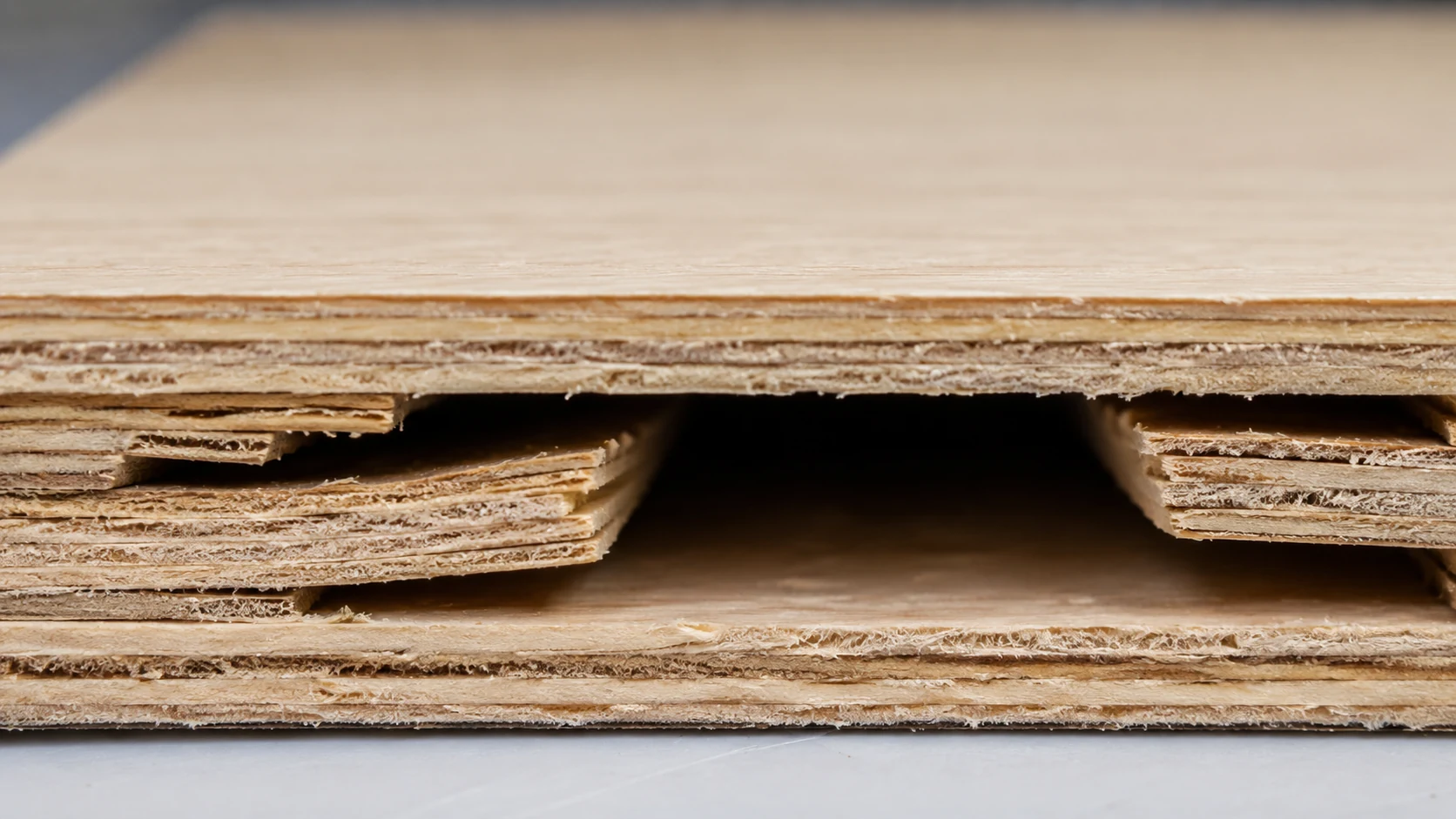
How Core Gaps Affect Plywood Quality
A plywood core gap can create several quality problems:
- Lower bending strength.
- Reduced load-bearing capacity.
- Weak spots inside the board.
- Poor screw-holding performance.
- Higher risk of cracking when the board is under pressure.
- Uneven cutting quality when plywood is cut into smaller pieces.
- Lower durability in demanding applications.
For products such as formwork plywood or trailer flooring plywood, core gaps can be a serious issue because the plywood must handle pressure, weight, vibration, and repeated use.
What Is Core Overlap in Plywood?
Core overlap happens when veneer core pieces overlap each other instead of joining evenly edge to edge. This creates uneven thickness inside the plywood panel.
Unlike a core gap, where part of the core is missing, core overlap means that too much veneer is stacked in one area. This may cause high pressure points during pressing and uneven density across the board.
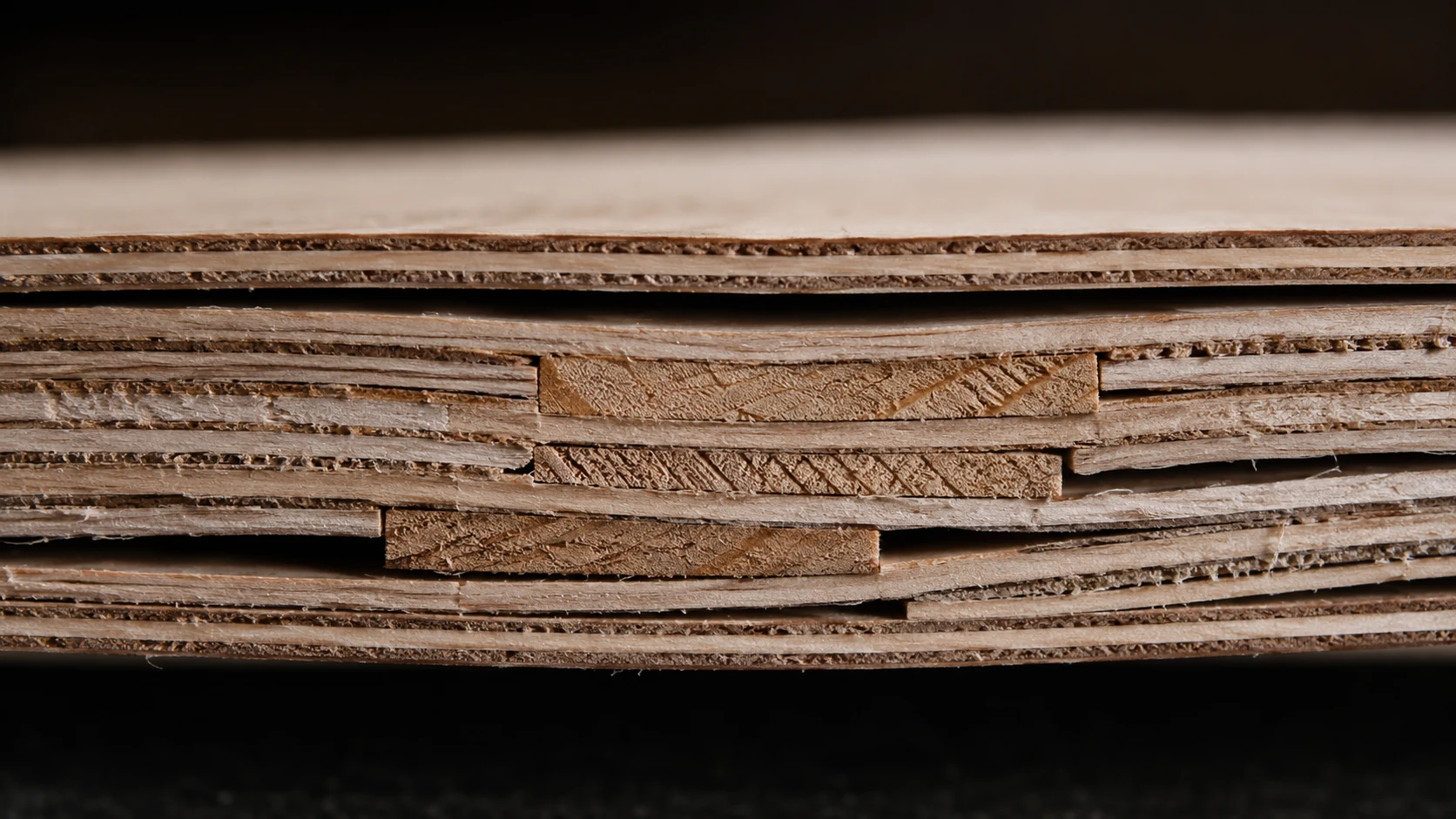
Why Core Overlap Happens
Core overlap usually happens when the core pieces are not aligned properly before pressing. Common causes include:
- Manual veneer placement without accurate control.
- Poor production speed control.
- Uneven veneer sizes.
- Low worker consistency during hand jointing.
- Lack of machine-assisted core alignment.
How Core Overlap Affects Plywood Quality
Plywood core overlap can cause many problems during and after production:
- Uneven board thickness.
- Higher risk of surface waviness.
- Poor bonding in some areas.
- Uneven pressure during hot pressing.
- Surface defects after sanding or film pressing.
- Lower dimensional stability.
- Inconsistent performance between plywood sheets.
In applications where a smooth and stable surface is required, such as furniture panels, cabinets, decorative panels, or film faced plywood, core overlap can reduce final product quality.
Core Gap vs Core Overlap: Key Differences
Both defects are related to poor core arrangement, but they are different in structure and effect.
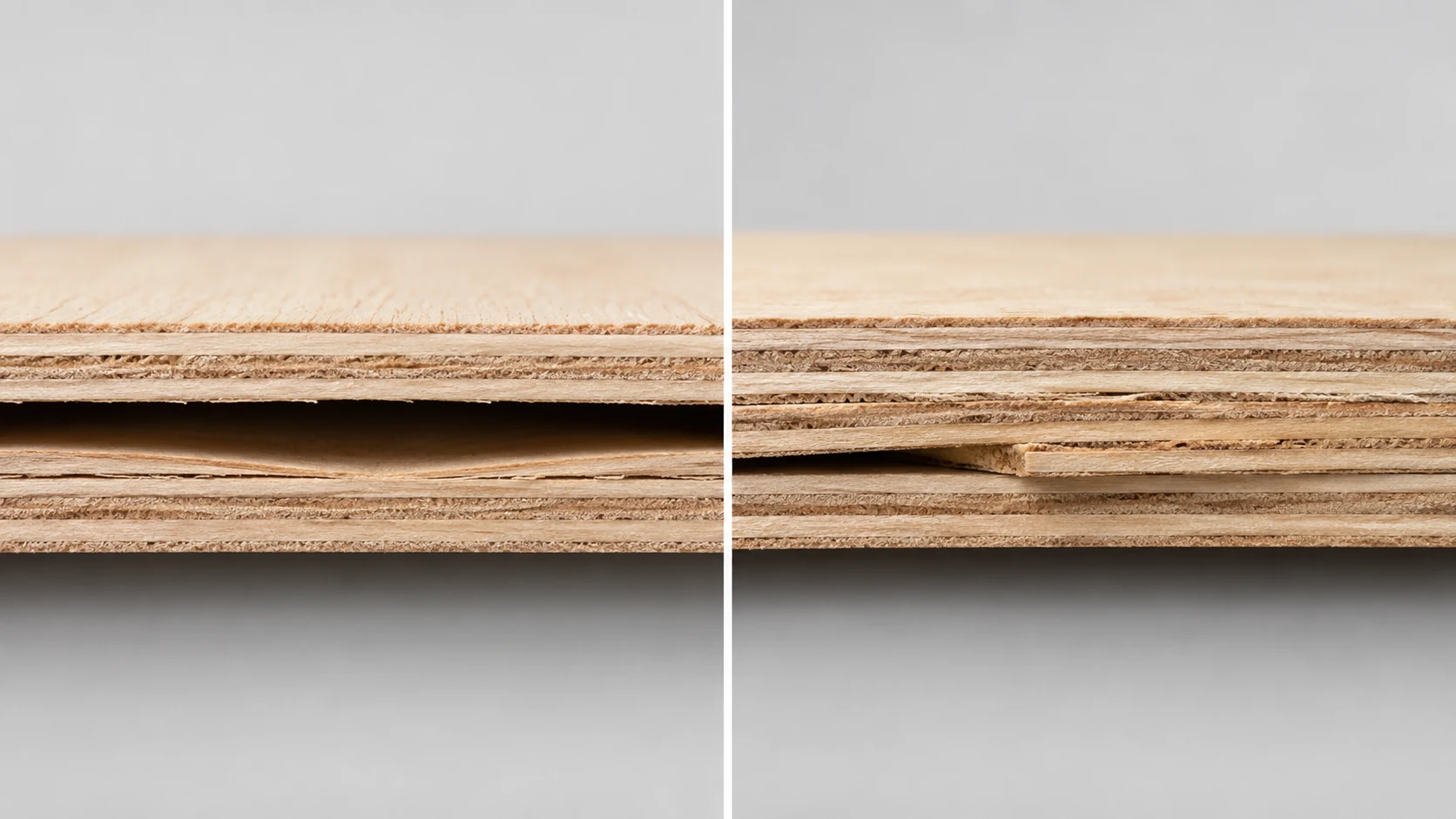
| Factor | Core Gap | Core Overlap |
|---|---|---|
| Meaning | Empty space between veneer pieces | Veneer pieces overlap each other |
| Main problem | Missing internal support | Uneven internal thickness |
| Effect on strength | Creates weak spots and lowers load-bearing capacity | Creates stress points and uneven structure |
| Effect on surface | May cause hollow areas or weak zones | May cause surface waviness or thickness variation |
| Common cause | Poor core alignment or missing veneer | Poor core alignment or overlapping veneer |
| Best prevention | Better core sorting and machine core jointing | Accurate veneer alignment and machine core jointing |
Why Core Quality Matters in Plywood
The plywood core is the hidden structure that supports the whole board. Even when the face veneer or film surface looks good, poor core quality can still reduce performance.
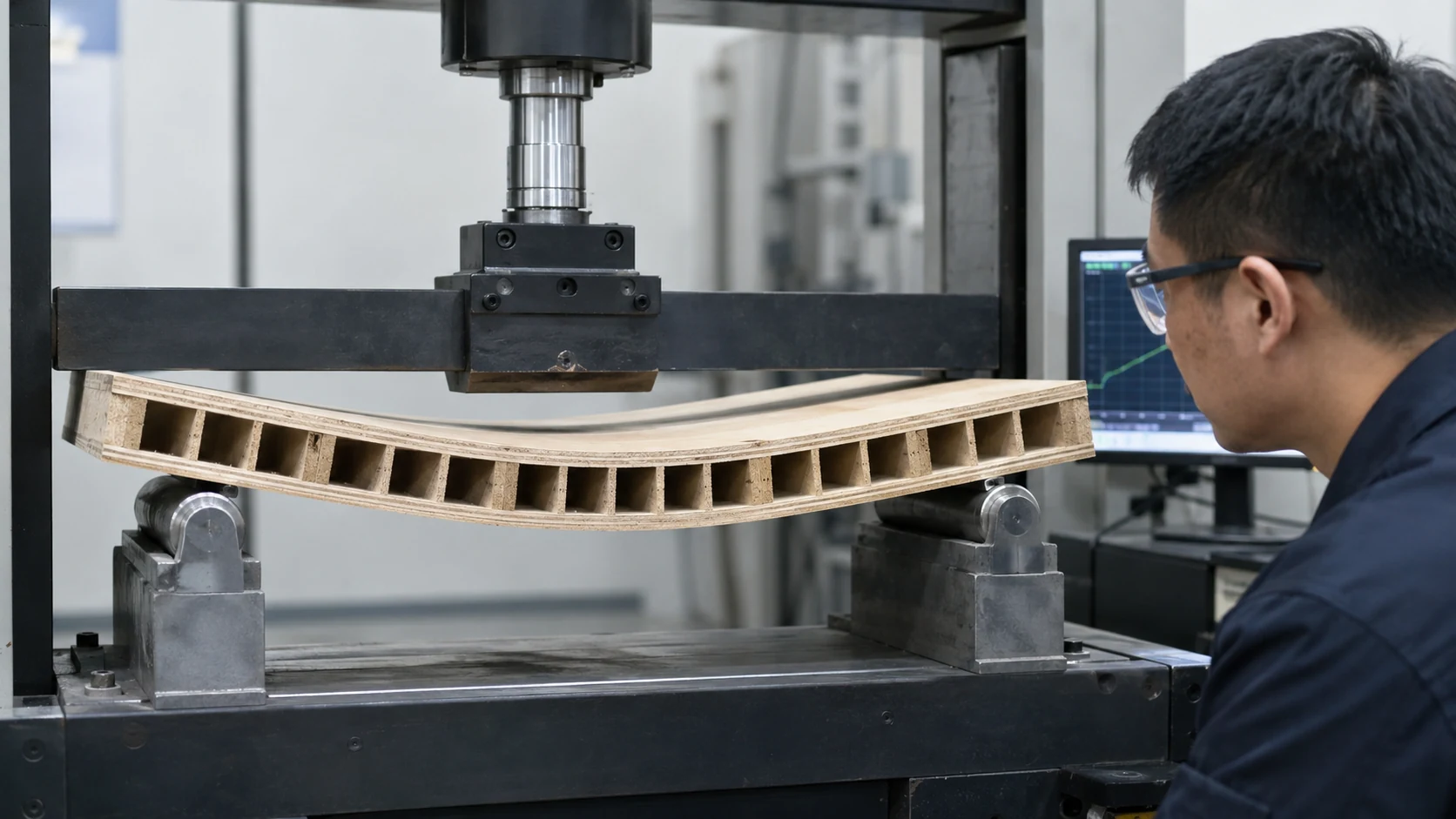
Good core quality helps plywood achieve:
- Higher bending strength.
- Better load-bearing performance.
- More stable thickness.
- Better surface flatness.
- Lower risk of delamination.
- Better cutting and machining performance.
- More consistent quality in bulk orders.
This is why B2B buyers should not judge plywood quality by surface appearance alone. Internal core quality is one of the most important factors behind long-term durability.
For a broader overview of plywood problems, you can read our guide on common defects in plywood and how to avoid them.
How Core Gap and Core Overlap Affect Different Plywood Applications
1. Film Faced Plywood for Formwork
Film faced plywood is used in concrete formwork, where the board must resist pressure from wet concrete and repeated reuse on job sites. If the core has gaps or overlap, the board may have lower structural strength and a shorter service life.
For better formwork performance, buyers should choose plywood with a stable core, suitable glue, good film quality, and controlled production. You can explore Kosmex film faced plywood for construction and formwork use.
2. Anti-slip Plywood for Trailer Flooring
Anti-slip plywood used for trailer flooring must handle loading, vibration, moisture, and surface abrasion. Core gaps can reduce load-bearing capacity, while core overlap can create uneven stress points.
For this application, a stable core structure with no core gap and no core overlap is very important. Learn more in our guide to best plywood for trailer flooring.
3. Commercial Plywood for Furniture
Commercial plywood is often used for furniture, cabinets, wall panels, and interior components. Poor core structure can cause weak edges, uneven cutting, poor screw-holding, and lower finishing quality.
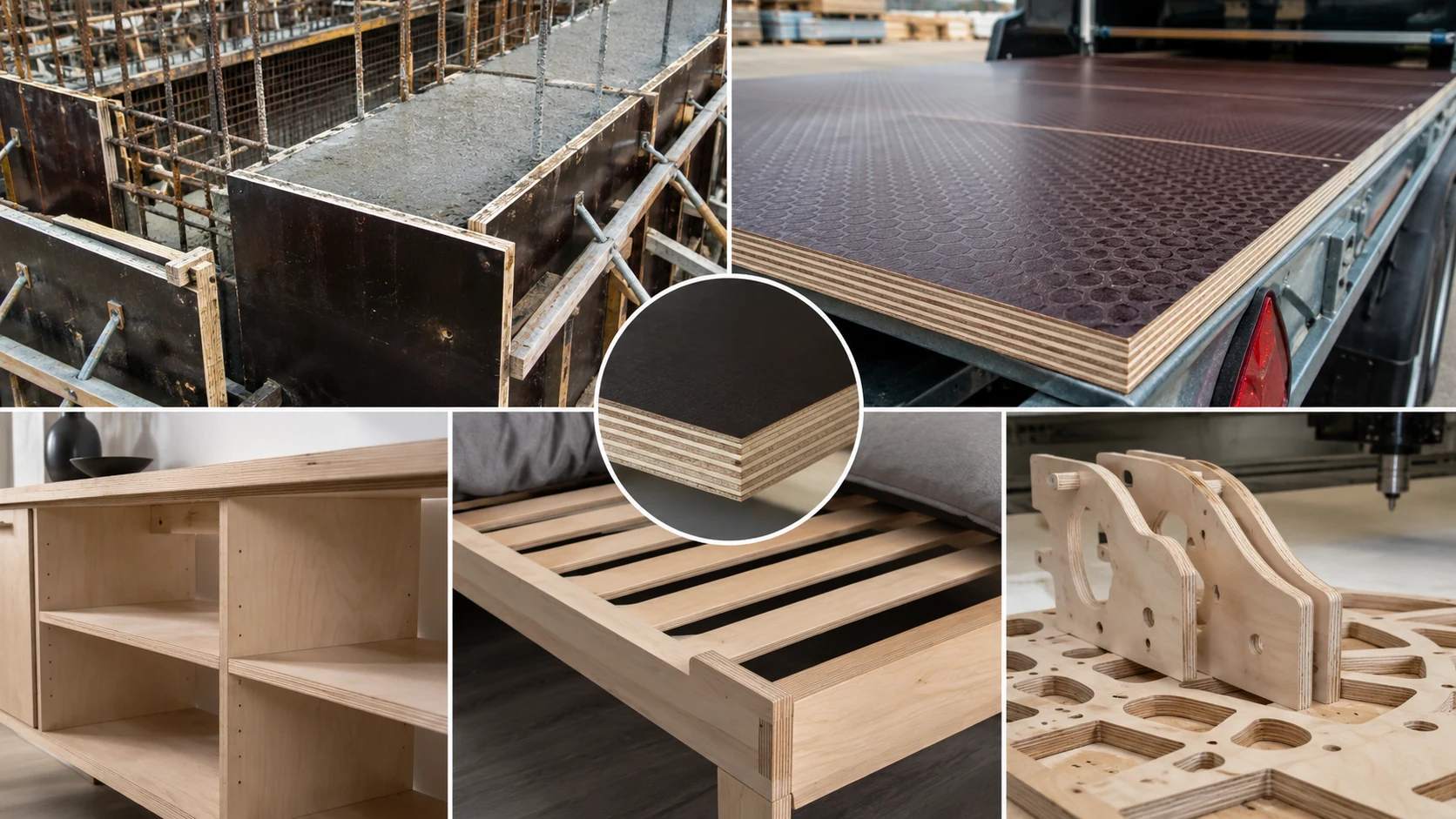
Kosmex commercial plywood is designed for B2B buyers who need stable performance for furniture and interior applications.
4. Bed Slats
Bed slats need good bending strength and load-bearing capacity because they support mattress and body weight. If the plywood core has gaps or overlap, the slats may bend unevenly, crack, or fail earlier.
Kosmex can produce bed slats with stable structure, smooth surface, edge sanding, and high-density material options.
5. CNC-cut Plywood Components
For CNC cutting, internal core defects can affect edge quality and final component strength. Core gaps may create hollow sections, while core overlap can cause inconsistent cutting resistance.
If your project requires custom plywood components, Kosmex also provides customized CNC cutting service for plywood and wood-based panels.
Why Hand Core Jointing Can Increase Core Defect Risk
Core joint by hand depends heavily on manual work. Skilled workers can reduce problems, but it is difficult to keep every sheet consistent in large-volume production.
With hand core jointing, common risks include:
- Higher risk of core holes.
- Higher risk of core overlap.
- Higher risk of lack of core.
- Less stable board structure.
- Lower bearing strength.
- Inconsistent quality between sheets.
This is why buyers should ask suppliers whether their core is jointed manually or by machine, especially for premium plywood, export orders, and demanding applications.
How Composer Machine Core Jointing Helps Reduce Core Gap and Overlap
Composer machine core jointing helps arrange and join veneer pieces more accurately than manual placement. The machine supports better alignment, more consistent core distribution, and fewer internal defects.
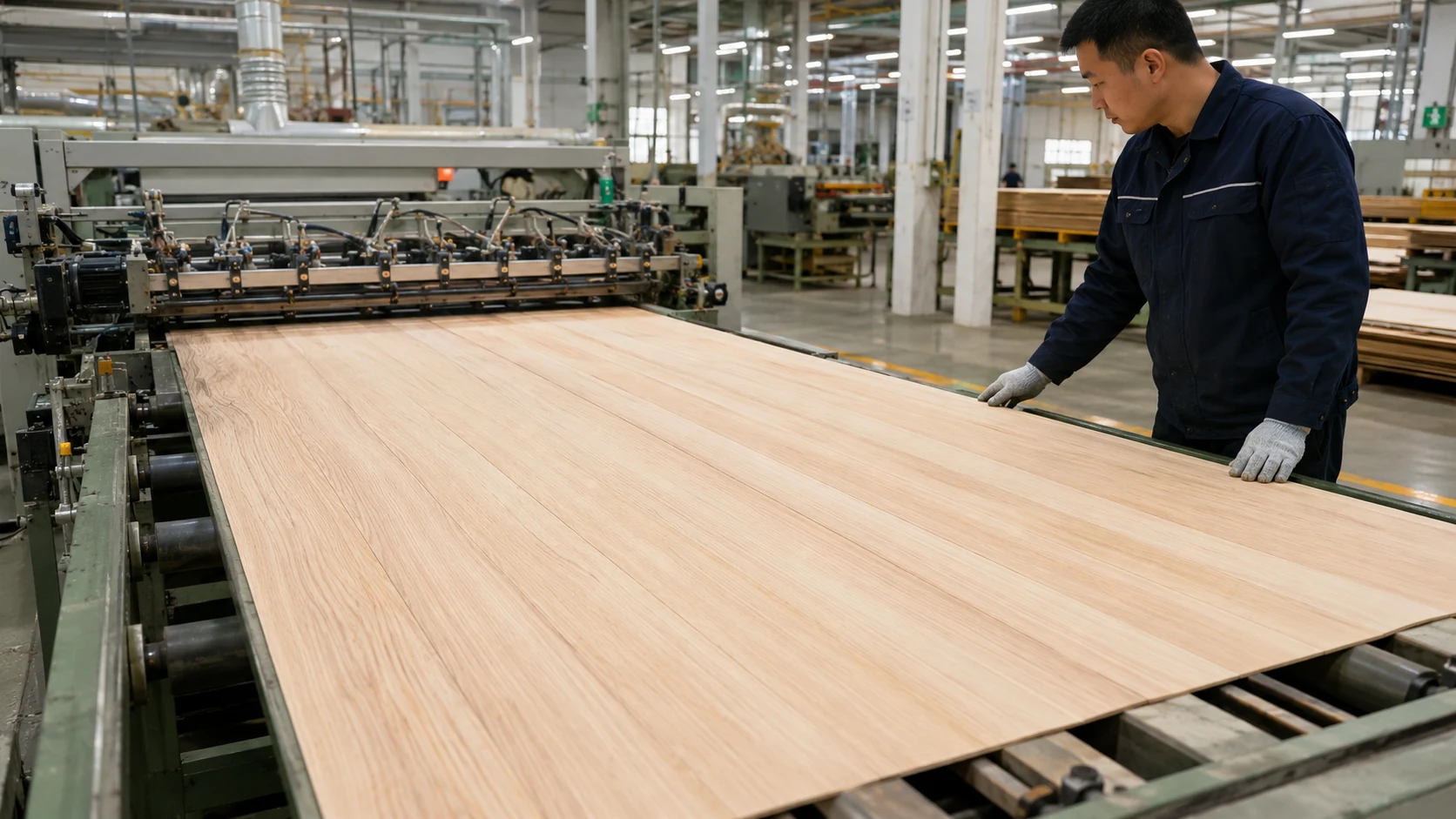
At Kosmex, premium plywood uses composer machine to joint the core. This helps achieve:
- No core overlap in premium core structure.
- Reduced risk of core gap.
- More stable internal structure.
- Better strength and durability.
- Higher bearing capacity.
- More consistent plywood quality for B2B buyers.
Compared with suppliers using mainly hand jointing, Kosmex can offer more reliable core quality for products that require better performance.
For a detailed comparison, read our article on machine core joint vs hand core joint in plywood.
How Buyers Can Check Core Gap and Core Overlap
Since core defects are hidden inside the board, buyers should evaluate samples carefully before placing large orders.
Buyer Checklist
- Ask whether the core is jointed by composer machine or by hand.
- Check the plywood cross-section for visible core gaps.
- Check whether veneer layers have core overlap or uneven thickness.
- Cut sample pieces to inspect internal structure.
- Check thickness consistency across the sheet.
- Ask about veneer grade, core species, and sorting process.
- Ask about glue type, such as melamine glue, phenolic glue, or WBP glue.
- Request test reports or QC records if required.
- Check whether the supplier has a clear quality control process.
Before choosing a supplier, buyers can also read our guide on how to evaluate a Vietnam plywood factory.
Why Core Defect Control Matters for Importers
For importers, core gap and core overlap are not only technical problems. They can become business problems.
Poor core quality can lead to:
- Customer complaints.
- Rejected sheets after delivery.
- Lower product reputation.
- Higher replacement cost.
- More quality disputes with suppliers.
- Shorter service life in real applications.
This is especially important when buyers import plywood for construction, furniture factories, trailer flooring, formwork, or industrial projects. A stable supplier should be able to explain how they control core quality during production.
You can learn more about Kosmex production and inspection standards on our plywood QC process page.
Conclusion: Core Gap and Core Overlap Are Hidden but Important Plywood Defects
Core gap and core overlap are two important internal plywood defects that buyers should not ignore. A core gap creates empty space inside the board, while core overlap creates uneven thickness and pressure points.
Both defects can affect plywood strength, surface stability, bonding quality, cutting performance, and load-bearing capacity.
At Kosmex, we use composer machine core jointing for premium plywood products to reduce these risks and create a more stable core structure. This helps Kosmex plywood perform better in demanding applications such as film faced plywood, anti-slip plywood, commercial plywood, bed slats, and CNC-cut plywood components.
Need Plywood with Stable Core Quality?
Contact Kosmex to discuss your required core type, glue type, thickness, surface grade, film weight, and target application.
FAQs About Core Gap and Core Overlap in Plywood
What is core gap in plywood?
Core gap is an empty space between veneer pieces inside the plywood core. It can reduce internal support, bending strength, and load-bearing capacity.
What is core overlap in plywood?
Core overlap happens when veneer pieces overlap each other instead of joining evenly. It can cause uneven thickness, surface waviness, and poor bonding.
Why are core gaps bad for plywood?
Core gaps create weak spots inside the board. They can reduce strength, screw-holding performance, cutting quality, and durability.
How can buyers reduce the risk of core gap and core overlap?
Buyers should choose suppliers with good veneer sorting, proper QC, and composer machine core jointing. They should also check cross-section samples before bulk orders.
Does composer machine core jointing improve plywood quality?
Yes. Composer machine core jointing helps align veneer pieces more accurately, reducing the risk of core gap and core overlap compared with manual hand jointing.
Bình luận