


What Is a Plywood Wall? The Complete Overview of Plywood Wall Paneling for Beginners
If you have ever scrolled through Pinterest or watched a home renovation reel and thought, “What is that gorgeous wood panel covering the entire wall?”, chances are you were looking at a plywood wall. Once reserved for construction sites and workshop garages, the plywood wall has made a remarkable comeback as one of the most versatile, affordable, and visually striking interior design choices available today.
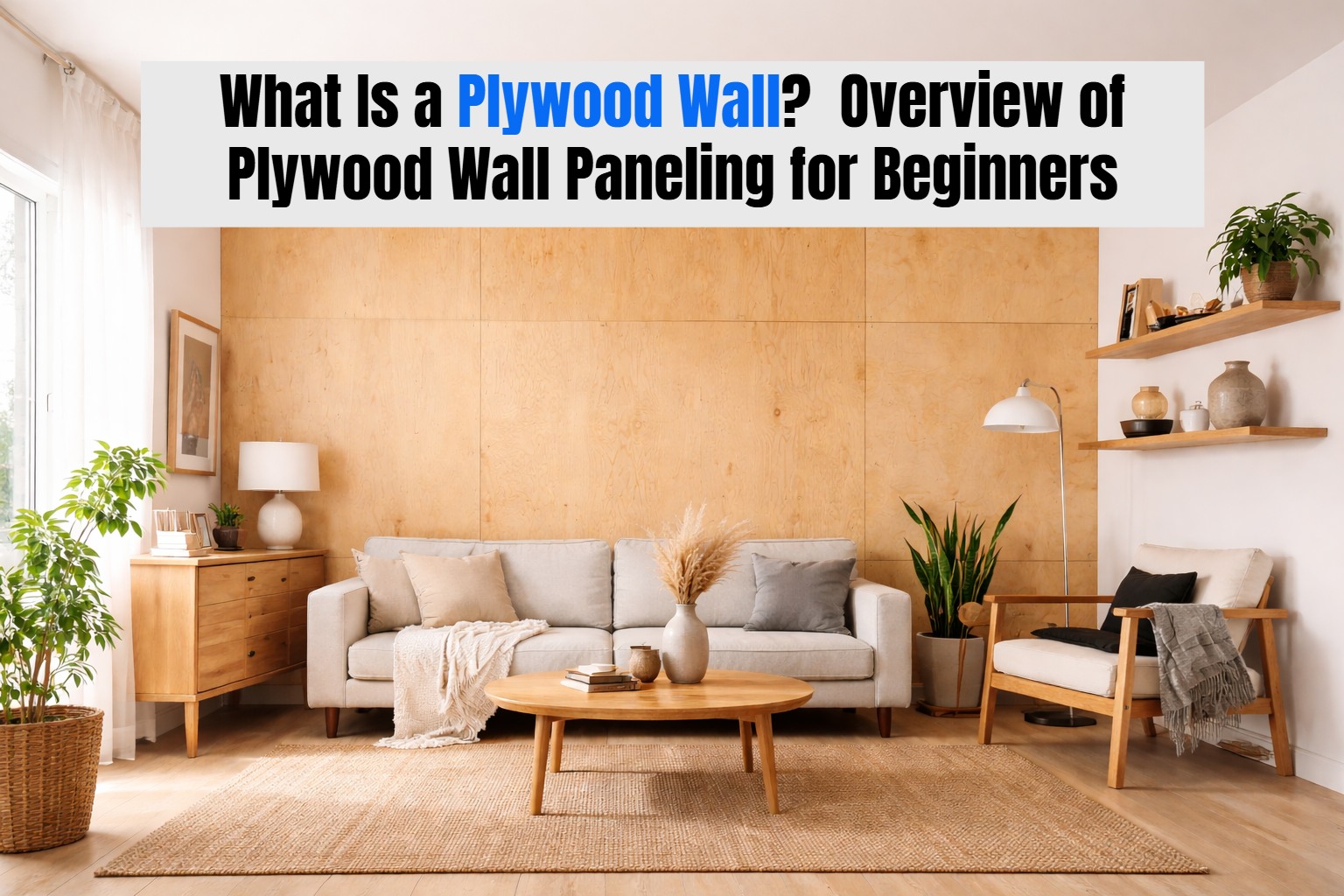
Whether you are a homeowner trying to upgrade a living room accent wall, a contractor advising clients on structural sheathing options, or simply someone curious about putting ply on a wall for the first time, this guide covers everything you need to know. By the time you finish reading, you will understand what a plywood wall is, the different types of plywood suited for wall use, how plywood compares to drywall and OSB, and the key factors to consider before starting your project.
1. What Is a Plywood Wall?
A plywood wall, sometimes called a ply wall, plywood panel wall, or simply wall plywood, is any vertical surface where plywood sheets are used either as the primary wall surface or as a structural layer behind the finished wall surface. The application spans two very different contexts:

- Structural / sheathing use: Plywood is fastened to wall framing as sheathing (the layer behind siding, stucco, or exterior cladding) to provide rigidity, wind resistance, and a nailing base.
- Decorative / interior use: Plywood panels are installed directly on interior walls as a finished surface, visible, sanded, often stained or painted, used as an accent wall, room divider, garage wall, or full-room treatment.
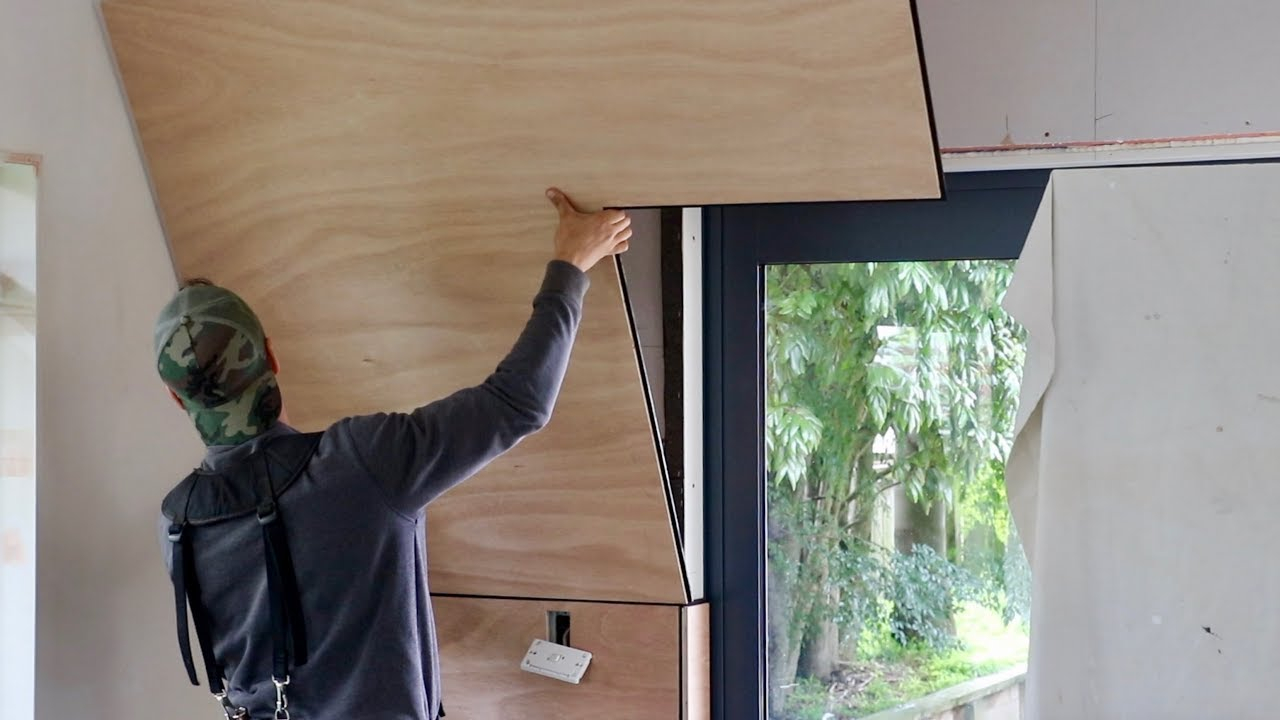
Both uses are legitimate and increasingly popular. When people ask “can you use plywood for walls?” or “can you put plywood on walls?” online, they are usually interested in the decorative application. The answer is an unequivocal yes, plywood is fully capable of being used on walls and, with the right finish, can look every bit as refined as any other wall material.
| Quick Terminology Check
Plywood wall, ply on wall, plywood on wall, plywood for wall, and wall plywood all refer to the same concept, using plywood sheets as a wall surface or wall layer. Throughout this article these terms are used interchangeably. |
2. How Plywood Is Made, And Why It Matters for Walls
To understand why plywood works so well as a wall material, it helps to know how it is manufactured. Plywood is an engineered wood panel made by bonding multiple thin layers of wood veneer, called plies, together with adhesive. Each layer is oriented perpendicular to the one above and below it, a technique called cross-graining.
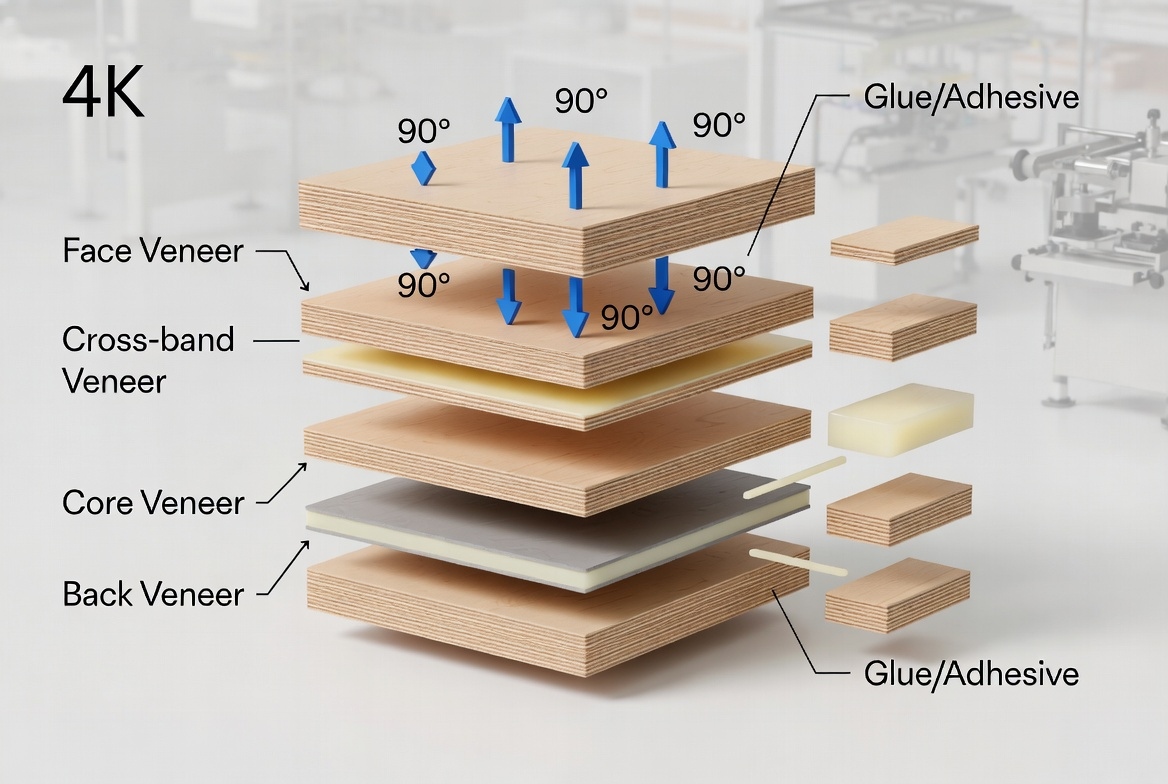
This cross-grain structure is what makes plywood exceptionally strong for its weight. Unlike solid wood, which can expand, contract, or warp in one direction, plywood distributes stress across multiple axes. The result is a panel that resists warping, splitting, and shrinkage, all qualities you want in a wall panel that must remain flat and stable over years.
Understanding Ply Count, 3-Ply, 5-Ply, 7-Ply, and Beyond
The number of layers in a plywood sheet directly affects its strength, weight, and suitability for specific applications. Here is what each common ply count means for wall use:
| Ply Count | Characteristics | Best For Walls | Cost |
| 3-ply | Thin, lightweight | Interior decorative panels, small accent walls | Low-Medium |
| 5-ply plywood | Balanced strength and flexibility | Interior wall paneling, van builds, caravan walls | Medium |
| 6-ply plywood | Moderate rigidity | Workshop walls, storage rooms | Medium |
| 7-ply plywood | High rigidity, stable | Structural sheathing, load-bearing walls | High |
| 9-ply plywood | Very stiff, heavy-duty | Exterior sheathing, commercial wall systems | High-Premium |
So when someone asks “what is 3-ply plywood?” or looks up “5-ply plywood” for a wall project, the answer is straightforward: more plies generally means more strength, more dimensional stability, and a higher price per sheet.
3. What Type of Plywood Is Best for Walls?
Choosing the right type of plywood for wall paneling is one of the most important decisions you will make for your project. There is no single “best” option, the right choice depends on your location (interior vs. exterior), aesthetic goals, and budget.
Interior Wall Plywood
For interior plywood walls, the most popular choices include:
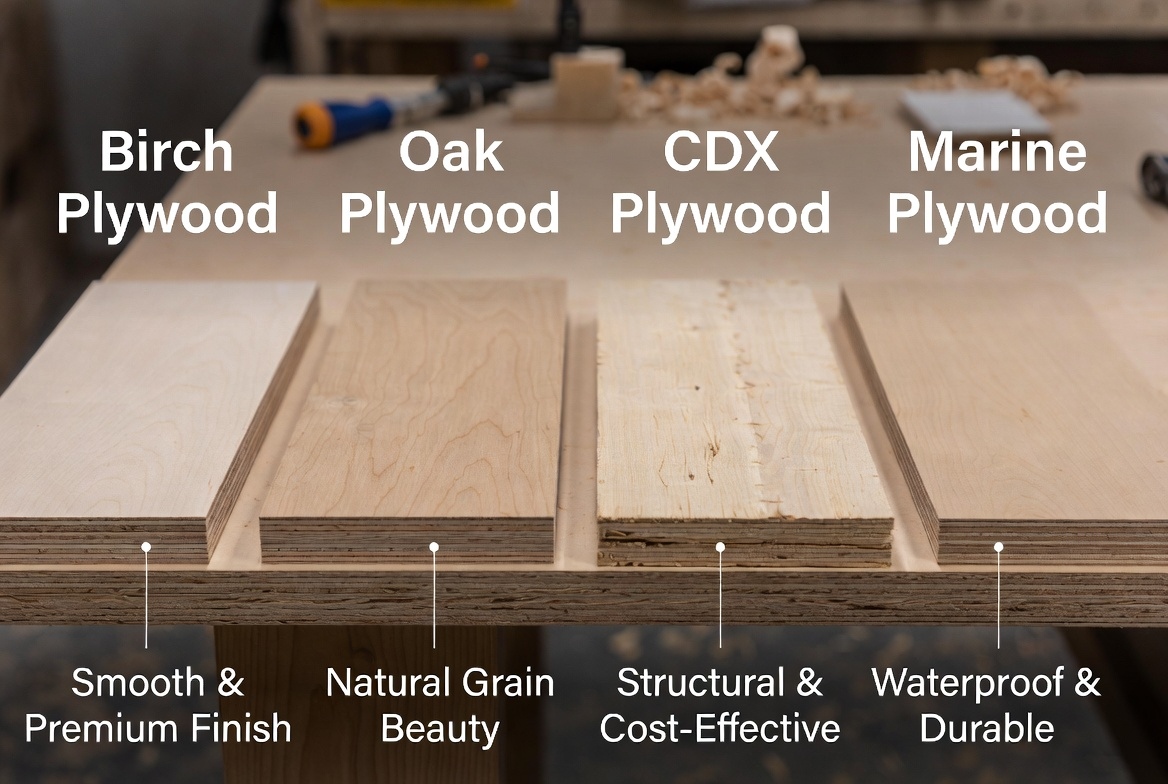
- Birch plywood: The gold standard for decorative interior walls. Birch has a tight, consistent grain, a pale blonde color, and a smooth face veneer that takes stains and clear finishes beautifully. Birch plywood wall projects are especially popular in Scandinavian-style and mid-century modern interiors.
- Maple plywood: Similar to birch in smoothness but with a slightly warmer tone. Excellent for plywood wall paneling in kitchens and living spaces.
- Oak plywood: Strong, prominent grain, available in red oak and white oak varieties. Walnut plywood wall projects use this species for rich, dark tones.
- Baltic birch: A premium variant with a higher ply count and void-free core, ideal when the plywood edge will be exposed as a design feature.
- Hardwood plywood (general): Any plywood with a decorative hardwood face veneer, mahogany, walnut, oak, falls into this category and suits interior accent walls.
Exterior and Structural Wall Plywood
For plywood wall sheathing on exterior walls or structural applications, the requirements shift toward weather resistance and structural performance:
- CDX plywood: The most common exterior sheathing plywood. The “X” denotes exterior-grade glue, making it moisture-resistant. Widely used for plywood wall sheathing behind siding.
- OSB (Oriented Strand Board): Technically not plywood, but frequently compared to it. OSB vs plywood wall sheathing is a longstanding debate, see Section 6 for a full comparison.
- Zip System plywood: A proprietary structural panel with a built-in water-resistive barrier. The plywood zip system has become popular for high-performance exterior walls because it eliminates a separate house-wrap step.
- Marine plywood: Uses waterproof adhesive and void-free veneers. Suitable for plywood walls in bathrooms or anywhere moisture exposure is a concern, though it carries a premium price.
| Pro Tip, WPC Plywood for Wet Areas
“What is WPC plywood?” is a common question from homeowners tackling bathroom or laundry walls. WPC stands for Wood Plastic Composite, a hybrid panel with a polymer core that makes it highly resistant to moisture, termites, and warping. It is an excellent alternative for plywood wall applications in wet areas where standard plywood would be at risk. |
4. What Does a Plywood Wall Look Like?
One of the biggest misconceptions about plywood walls is that they must look rough or unfinished. In reality, the plywood wall look spans an enormous aesthetic range, from raw and industrial to polished and luxurious.
Common Plywood Wall Aesthetics
- Natural / raw plywood: The wood grain and texture are left visible with only a clear coat or oil finish. This look works especially well in modern farmhouse, Japandi, and minimalist interiors.
- Stained plywood wall: A wood stain deepens the grain and allows you to match plywood to existing timber elements, floors, furniture, or cabinetry.
- Painted plywood wall: With the right primer and paint, a plywood wall can look virtually identical to painted drywall. White plywood walls are particularly popular for brightening smaller spaces.
- Plywood with shadow lines: Panels are deliberately spaced with small gaps (shadow gaps) between sheets to create a dramatic, contemporary reveal joint. This technique gives a high-end architectural appearance.
- Plywood with grooves: Some panels are routed with V-grooves or random groove patterns to add texture and divide large sheet areas visually.
- Birch plywood wall with exposed edges: Sanding and finishing plywood edges rather than covering them turns a perceived flaw into a design feature, the banded layers become an aesthetic detail.
For a plywood wall in a home, living room, or bedroom, the finished appearance depends almost entirely on surface preparation, finishing method, and the quality of the plywood face veneer you select.
5. Plywood Wall vs. Drywall, Which Is Better?
The drywall vs. plywood wall debate is among the most frequently asked questions online, and for good reason: both materials have genuine strengths and meaningful weaknesses. The right choice depends on your specific project requirements.
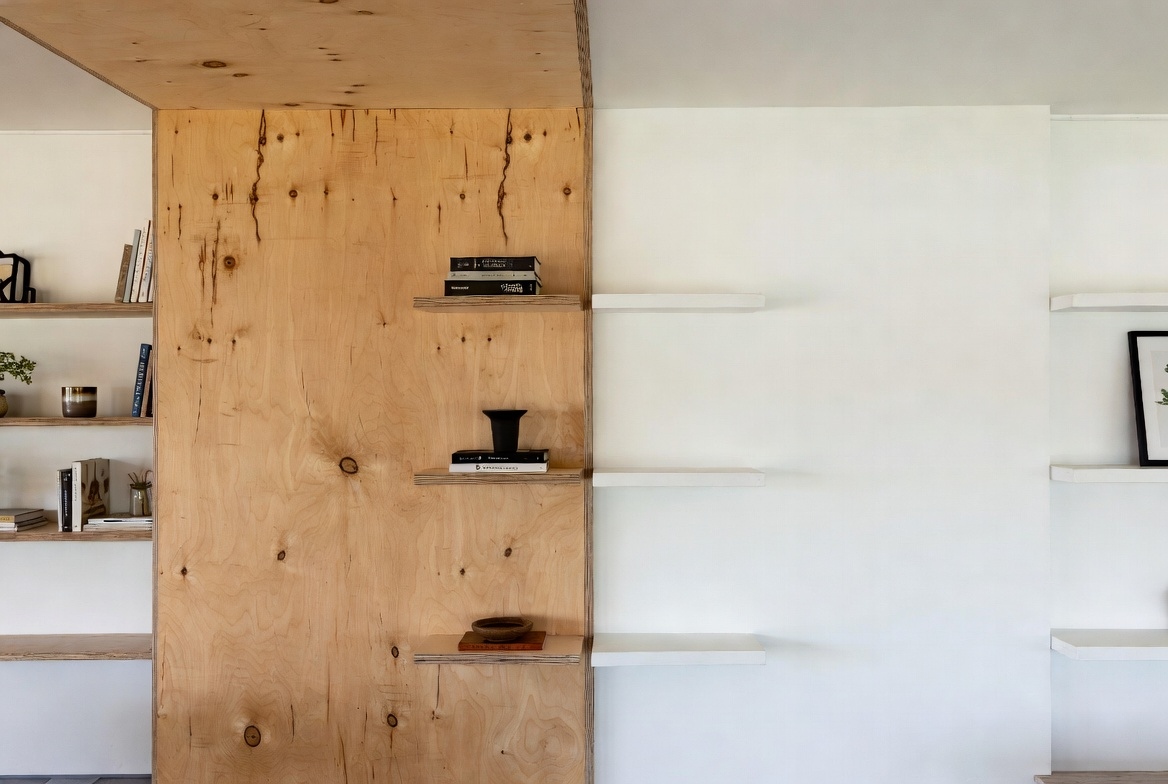
| Factor | Plywood Wall | Drywall |
| Material cost | Lower per sheet | Higher per sheet (typically) |
| Installation ease | Simple, DIY-friendly | Heavier, more complex cutting |
| Screw-holding strength | Excellent anywhere in panel | Strong at studs only |
| Moisture resistance | Good (exterior grades excellent) | Poor, swells, crumbles when wet |
| Fire resistance | Lower (requires treatment or assembly) | Better, Type X drywall is fire-rated |
| Finishing | Requires priming or staining steps | Ready to paint after taping/mudding |
| Aesthetics | Natural wood appearance available | Smooth, paintable surface |
| Weight load capacity | Very high, hang heavy items anywhere | Limited without hitting a stud |
| Noise insulation | Slightly better than standard drywall | Standard performance |
| Plywood walls vs drywall cost | Lower material cost; higher finishing cost | Higher material cost; lower finishing cost |
The conclusion from the plywood wall vs. drywall comparison is nuanced: drywall wins for ease of finishing and fire rating, while plywood wall construction wins for structural strength, moisture resistance, screw-holding ability, and aesthetic flexibility. Many builders use plywood as sheathing behind drywall for the best of both worlds, structural rigidity from the plywood, smooth paintable surface from the drywall.
For garage walls, workshops, van builds, and any space where items will be mounted directly to the wall without stud-finding, plywood instead of drywall is often the smarter choice.
6. OSB vs. Plywood for Wall Sheathing, What’s the Difference?
If you are working on an exterior wall project, you will quickly encounter the OSB vs. plywood wall sheathing question. Both are engineered wood panels used as structural sheathing, but they differ in significant ways.
| Factor | Plywood | OSB |
| Core structure | Perpendicular wood veneers | Compressed wood strands and flakes |
| Moisture resistance | Better (veneers absorb less) | Swells significantly when wet |
| Shear wall performance | Excellent, industry-preferred | Good, but requires more nails |
| Edge quality | Clean, easy to cut | Edges can delaminate |
| Consistency | Uniform face, predictable | Rough surface, variable density |
| Cost | Higher per panel | Lower per panel (10-20% cheaper) |
| Weight | Slightly lighter | Slightly heavier |
| OSB vs plywood shear wall | Preferred for shear walls by many engineers | Acceptable with proper nailing schedule |
For structural plywood wall bracing and shear wall applications, most structural engineers still prefer plywood over OSB because of its superior moisture recovery and edge consistency. OSB is a cost-effective alternative in dry climates or well-protected assemblies. For decorative interior applications, OSB has its own niche aesthetic, the raw, industrial look of an exposed OSB wall has become trendy in certain design circles.
7. Other Alternatives, Plywood vs. HardieFlex and Other Wall Materials
Beyond drywall and OSB, you may also find yourself comparing plywood vs. HardieFlex (fiber cement board), especially in tropical climates or exterior applications. Here is a quick overview of plywood wall alternatives:
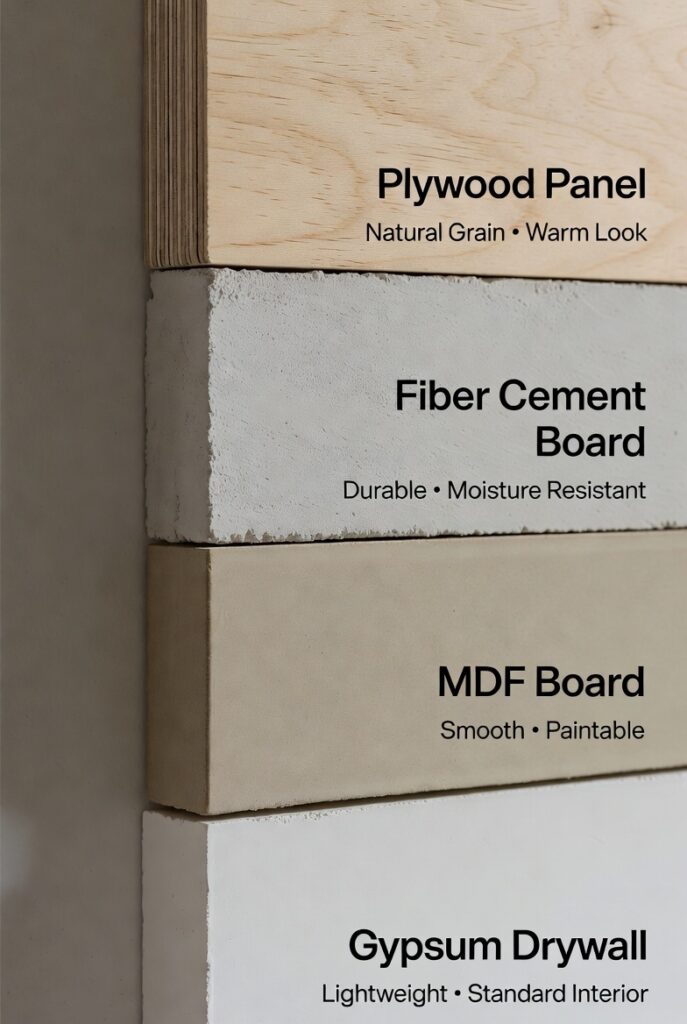
- HardieFlex (fiber cement board): Excellent moisture and termite resistance, but heavier, more brittle, and harder to cut than plywood. Best for exterior cladding and wet areas. Plywood vs HardieFlex for wall: HardieFlex wins on durability, plywood wins on ease of installation and aesthetics.
- Gypsum board (drywall): Lightweight, fire-resistant, easy to finish. Gypsum board vs plywood for wall: gypsum board wins for fire rating and smoothness, plywood wins for strength and moisture resistance.
- MDF (Medium-Density Fiberboard): Smooth, paint-ready surface, great for furniture and built-ins. However, MDF swells dramatically with moisture and has no structural value, it is not a true plywood wall alternative for load-bearing or exterior contexts.
- Cement board (Hardiebacker): Used specifically behind tile in wet areas. If you are tiling a shower or bathroom, cement board is the standard substrate, though some installers do use exterior-grade plywood behind tile, especially on OSB subfloor transitions.
8. Where Can You Use a Plywood Wall?
One of the biggest advantages of plywood for wall use is its sheer versatility. Here are the most common applications, with their specific considerations:
Plywood Wall in the Home
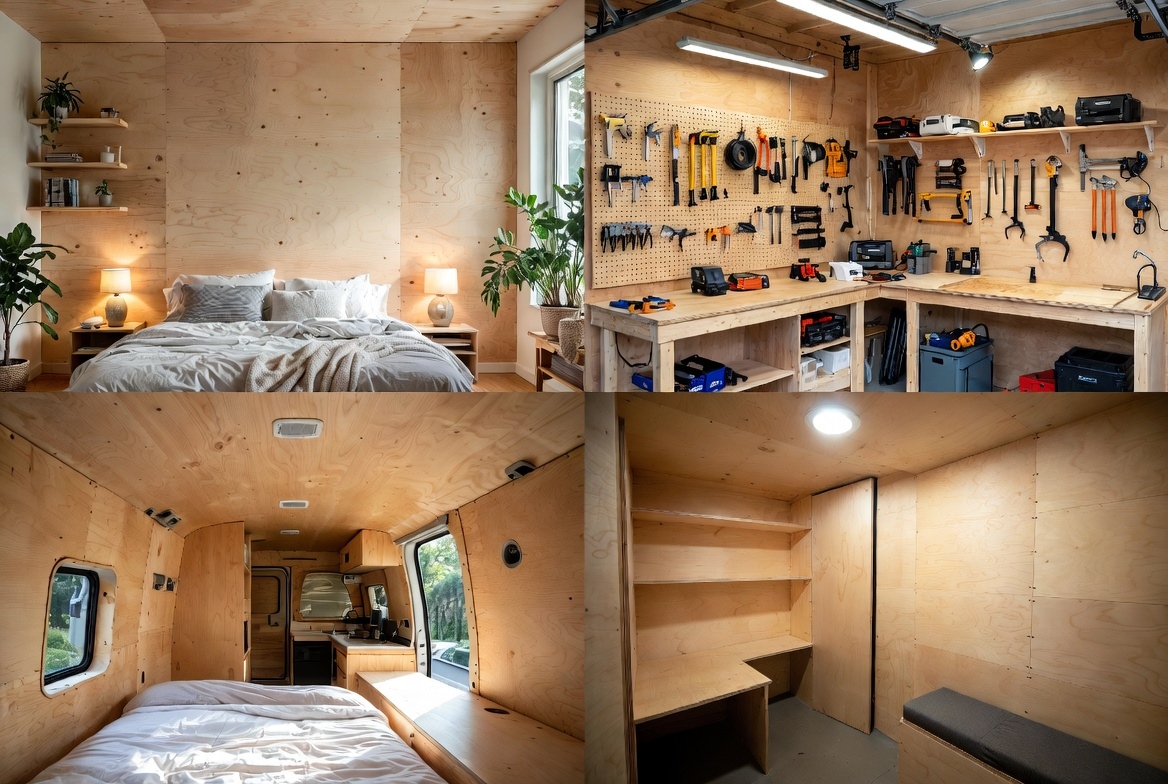
Interior accent walls, feature walls behind beds or sofas, hallway paneling, and staircase surrounds are all excellent uses for a decorative plywood wall at home. Birch and oak plywood are the most popular choices for living rooms and bedrooms due to their attractive grain and finishing properties.
Plywood Walls in the Garage
The garage is where plywood walls truly shine from a practical standpoint. Plywood walls in a garage provide a surface where you can hang tools, install shelving, mount cabinets, and add pegboard organizers without needing to locate studs for every fastener. A 3/4-inch plywood wall in the garage is the most common choice because it holds screws firmly anywhere across the face.
Plywood Walls in the Basement
Basement plywood walls need to address moisture concerns. Use pressure-treated plywood or install a vapour barrier behind panels. Plywood walls in the basement also provide a surface for insulation attachment and can be finished or left exposed depending on the use.
Plywood Wall for Van Conversions and Caravans
The van conversion and caravan communities have embraced plywood walls as the default interior surface. Thin 6mm or 9mm plywood panels keep weight low while providing a surface for insulation, lining, and furniture attachment. Plywood walls in van conversion projects often use birch or luan (lauan) plywood for a clean, lightweight finish.
Exterior Plywood Wall Sheathing
Structural exterior plywood wall sheathing is installed between the wall framing and the exterior cladding. It provides racking resistance, a nailing base for siding, and in the case of zip system plywood, integrated moisture management. Correct installation, nail spacing, and flashing details are critical in this application.
9. How to Choose the Right Plywood for Your Wall Project
With so many plywood types, grades, and thicknesses available, choosing the right panel can feel overwhelming. Here is a simple decision framework:
- Define the application: Is the wall interior or exterior? Structural or decorative?
- Assess moisture exposure: Dry interior rooms allow standard hardwood plywood. Kitchens, bathrooms, basements, and all exterior uses require moisture-resistant or exterior-rated panels.
- Select the face grade: If the plywood face will be visible, choose A or B grade for a smooth, defect-free surface. For sheathing behind cladding, C or D grade is acceptable.
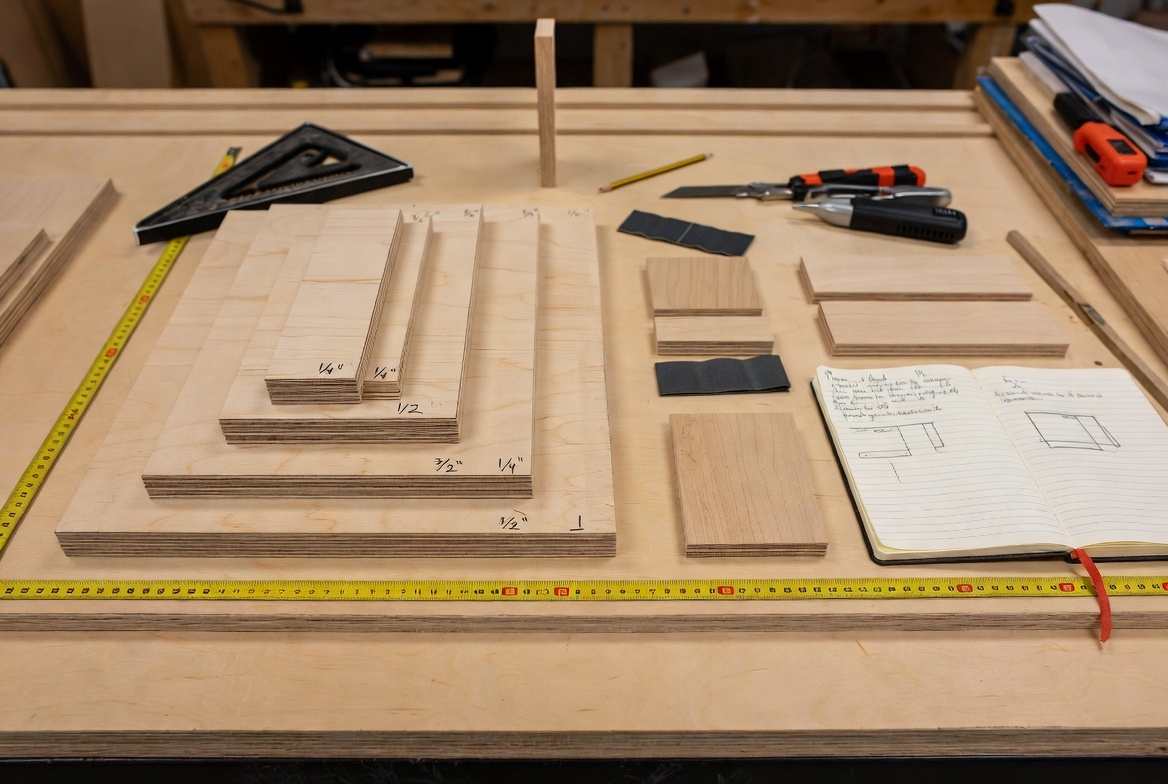
- Choose the thickness based on span and load: For walls with studs at 16″ OC, 1/2″ (12mm) plywood is adequate for interior paneling. For garage walls with heavy tool storage, use 3/4″ (18mm) for maximum screw retention.
- Consider the wood species: Birch for a light, Scandinavian look; oak for warmth and character; walnut or mahogany for dark, rich tones; CDX or structural plywood for any sheathing application.
- Plan your finish early: Clear coats, oil finishes, stains, and paints all interact differently with different plywood face veneers. Always test on a scrap piece first.
10. Common Mistakes to Avoid with Plywood Walls
Even experienced builders make avoidable errors with plywood wall installations. Here are the most frequent mistakes, and how to sidestep them:
- Skipping acclimatisation: Plywood contains moisture and will expand or contract when exposed to a different environment. Store panels in the room where they will be installed for at least 48 hours before fitting.
- Choosing the wrong grade for the application: Using an interior-grade plywood in a moisture-prone area is one of the most costly mistakes. Always match the glue type and veneer to the environment.
- Ignoring seams and joints: Butt joints between plywood panels are visible if not addressed. Plan panel layout to place seams at less-visible locations, use shadow gap details, or apply a bead of flexible caulk followed by paint for a seamless look.
- Under-fastening: Plywood walls rely on correct nail or screw patterns to prevent buckling and squeaking. Follow manufacturer spacing recommendations, especially for structural sheathing.
- Skipping primer: Raw plywood, especially lower-grade panels, absorbs paint unevenly. Always apply a quality wood primer before your top coat for a professional plywood wall paint finish.
- Forgetting about fire ratings: In some jurisdictions, interior walls must meet specific fire-resistance ratings. Standard plywood does not meet the fire-rating requirements of Type X drywall. Consult local building codes if your project requires a fire-rated assembly.
11. Quick-Reference FAQ
Can you use plywood as a wall?
Yes. Plywood is a fully legitimate wall surface for both structural and decorative applications. It is widely used in garages, workshops, van builds, residential interiors, and as exterior wall sheathing.
Is plywood better than drywall for walls?
It depends on the context. Plywood outperforms drywall for moisture resistance, screw-holding strength, and structural rigidity. Drywall is superior for fire rating, ease of finishing, and cost in standard interior applications.
What type of plywood is best for interior walls?
Birch plywood is the most popular choice for decorative interior walls due to its smooth face and attractive grain. For structural interior walls, use the same grade as your structural engineer specifies, typically 1/2″ or 5/8″ CDX.
Can you put plywood over drywall?
Yes, many homeowners install plywood panels directly over existing drywall to create a new wall surface. This adds thickness and weight, so ensure your framing can handle it.
What is the difference between OSB and plywood for wall sheathing?
OSB is cheaper and uses smaller wood strands pressed together, while plywood uses cross-grained wood veneers. Plywood performs better in moisture, edges more cleanly, and is preferred for shear walls. OSB is cost-effective in dry, well-protected assemblies.
What is WPC plywood, and is it good for walls?
WPC (Wood Plastic Composite) plywood has a polymer core making it highly resistant to moisture, termites, and warping. It is an excellent choice for plywood walls in bathrooms, kitchens, and other wet areas where standard plywood would be at risk.
Conclusion
The plywood wall is far more than a builder’s shortcut or budget alternative. When the right type of plywood is selected, properly installed, and thoughtfully finished, it delivers a wall surface that is structurally sound, visually distinctive, and remarkably versatile. From the sleek birch plywood wall of a Scandinavian living room to the heavy-duty 3/4-inch plywood lining a garage workshop, the applications are as diverse as the needs of the people building them.
Whether you are comparing a plywood wall vs. drywall for a renovation, evaluating OSB vs. plywood for exterior wall sheathing, or simply trying to understand what kind of plywood to put on your walls, the guiding principle is always the same: match the panel type, grade, and thickness to your specific environment and end goal. Do that, and a plywood wall will reward you with decades of performance and good looks.
| Ready to Start Your Plywood Wall Project?
Explore Kosmex full range of plywood panel options, detailed installation guides, and finishing product recommendations at kosmexgroup.com. Our team is available to help you select the right plywood for walls in any room, garage, or exterior application. |
Bình luận