


At Kosmex, we use composer machine core jointing for premium plywood products. This helps create a more stable core structure with no core overlap, fewer core gaps, better bonding, and stronger plywood performance for applications such as film faced plywood, commercial plywood, and bed slats.
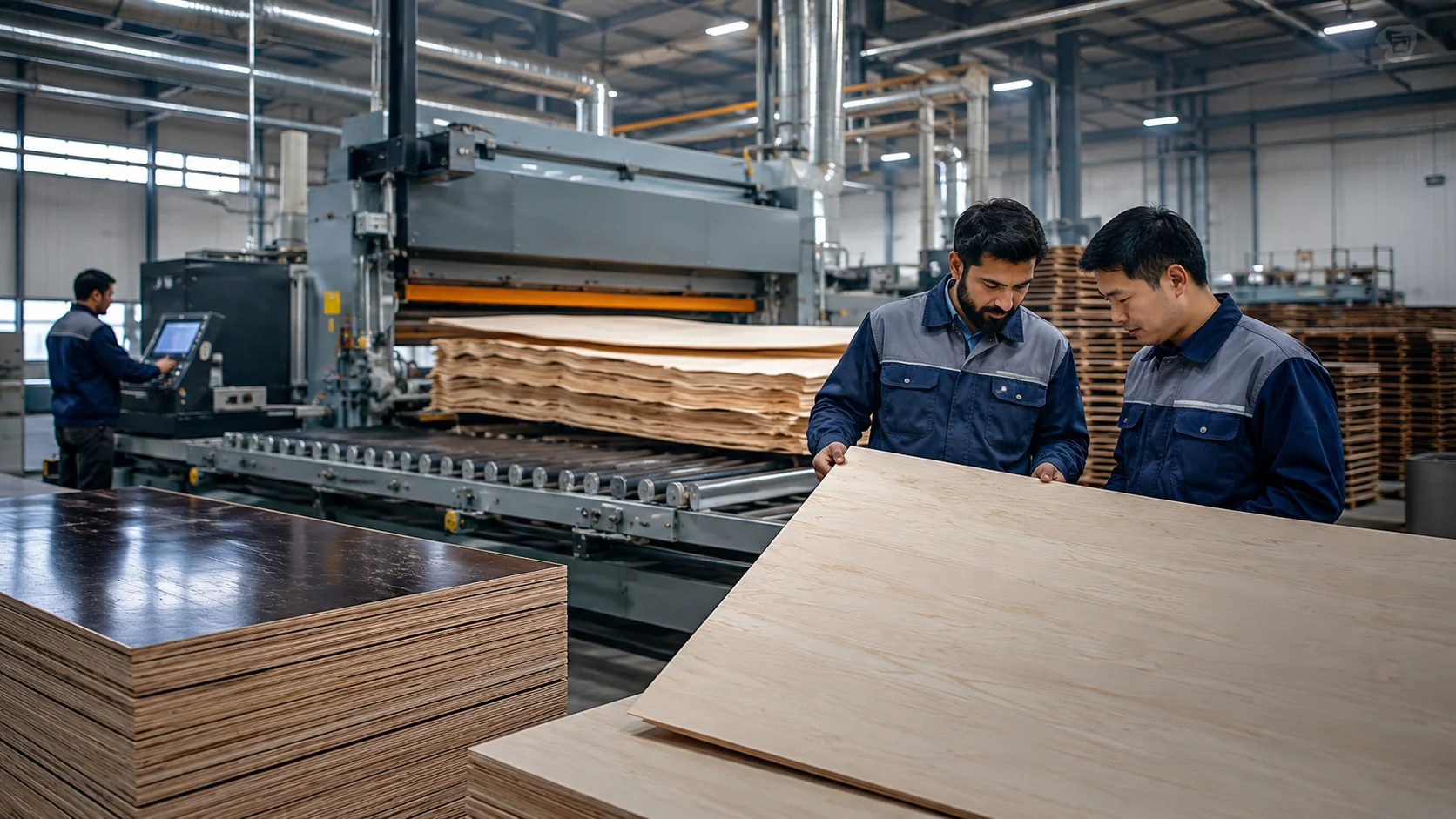
What Is Core Jointing in Plywood?
Core jointing is the process of connecting small veneer core pieces together before they are assembled into plywood layers. Since natural wood veneer pieces may not always come in full sheet size, manufacturers need to join them properly to create a complete and stable core.

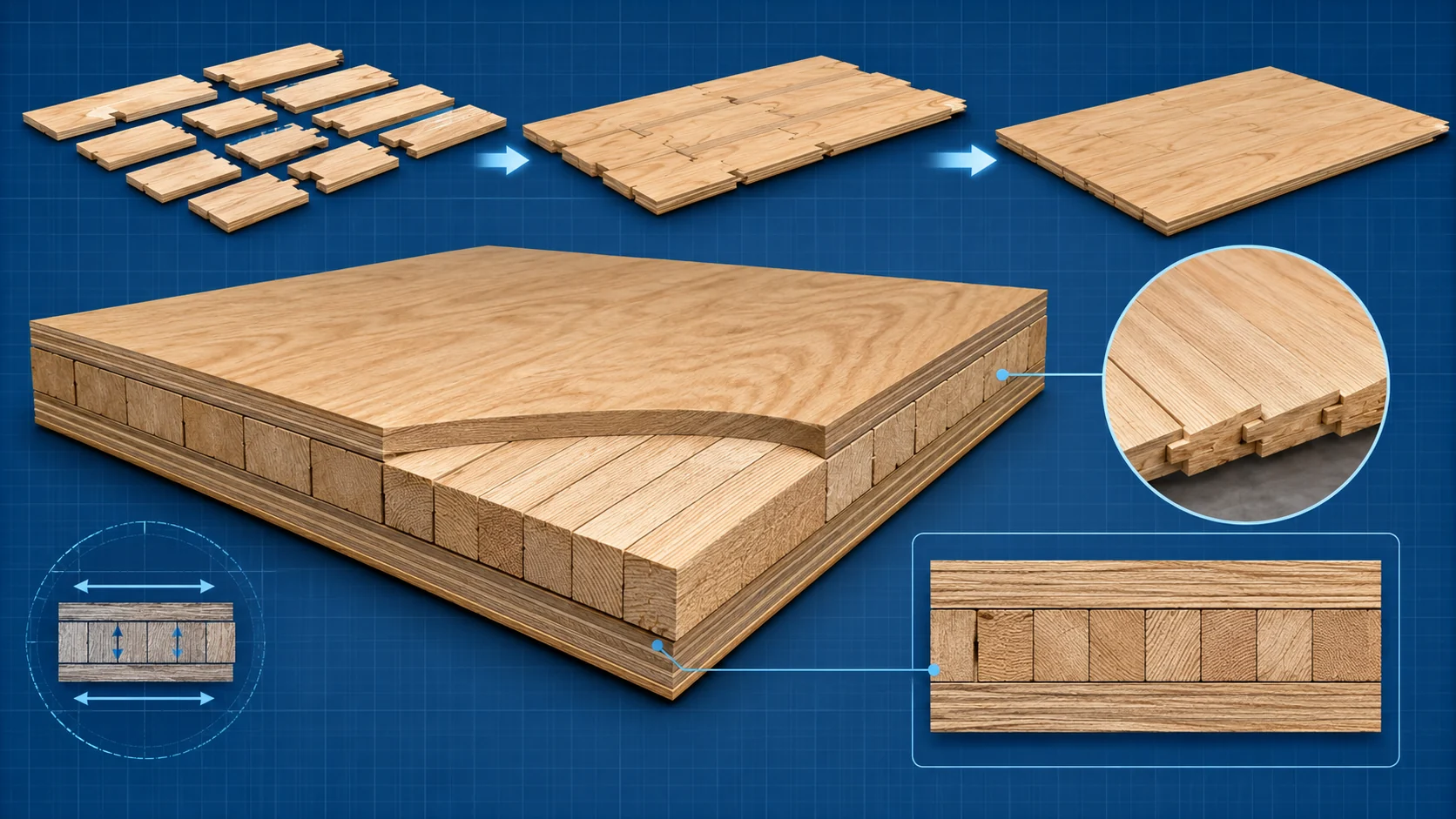
If the core pieces are not joined correctly, the plywood may have hidden defects such as:
- Core gaps: empty spaces between veneer pieces.
- Core overlap: veneer pieces stacked over each other unevenly.
- Lack of core: missing veneer areas inside the board.
- Uneven thickness: unstable board surface due to poor core arrangement.
- Weak structure: lower bending strength and poorer load-bearing capacity.
These issues may not always be visible from the surface, but they can seriously affect the performance of plywood during cutting, pressing, formwork use, furniture production, or long-term loading.
To better understand how plywood is manufactured, you can also read our guide on the plywood making process.
What Is Core Joint by Composer Machine?
Core joint by composer machine is a more advanced and controlled method of joining veneer core pieces. Instead of relying mainly on manual alignment, the machine helps arrange and connect core pieces with better accuracy and consistency.
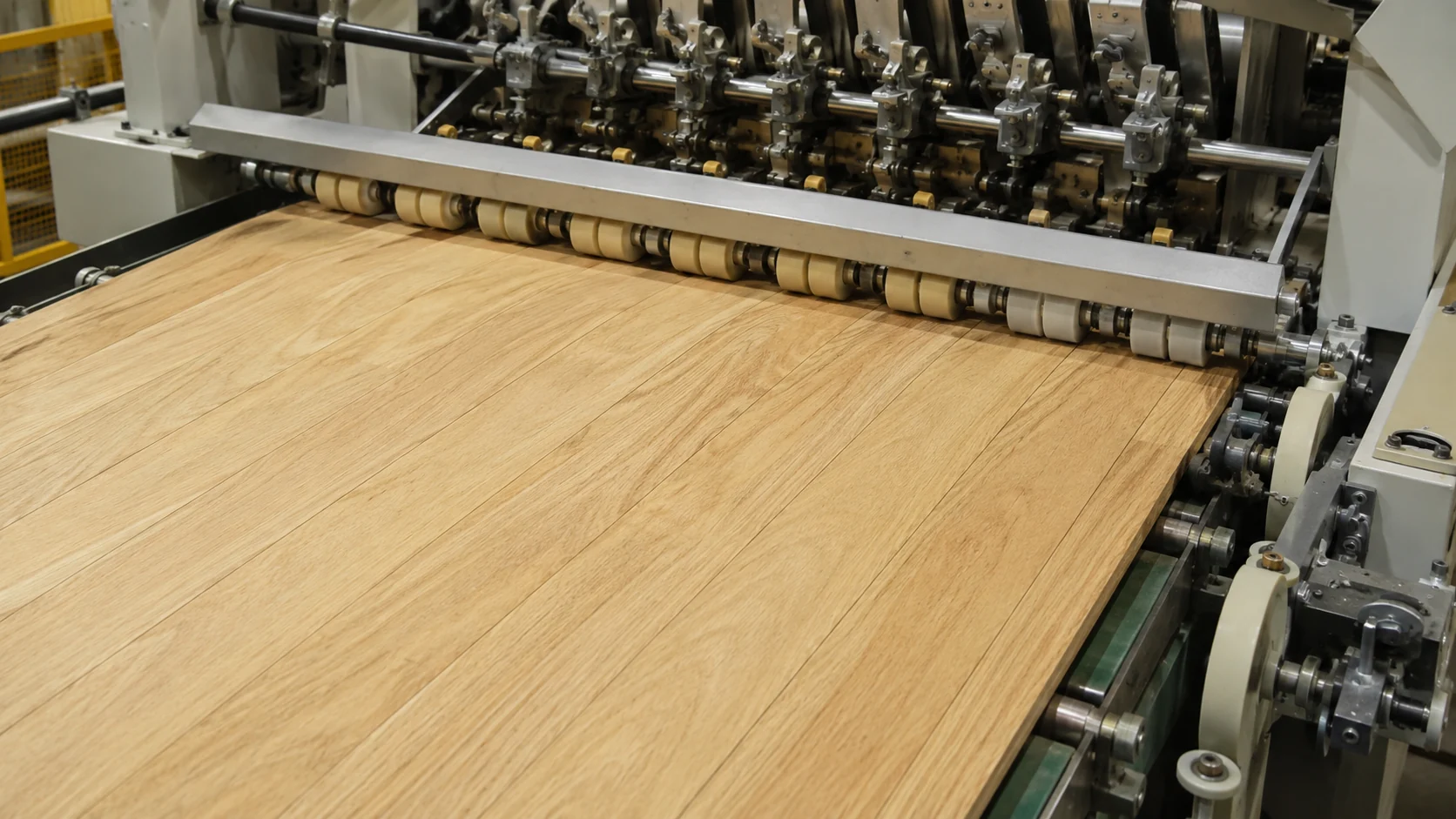
The main goal of using a composer machine is to create a more uniform core layer with fewer internal defects. This method helps reduce common plywood problems such as core gaps, core overlap, and uneven core distribution.
Key Benefits of Composer Machine Core Jointing
- More accurate veneer alignment.
- More stable core structure.
- Reduced risk of core gap.
- Reduced risk of core overlap.
- Better bonding during hot pressing.
- Improved board strength and durability.
- More consistent plywood quality across bulk orders.
For B2B buyers, this consistency is especially important when importing plywood in large volumes. A stable core structure means fewer complaints, fewer rejected sheets, and better performance in real applications.
What Is Core Joint by Hand?
Core joint by hand is a more traditional method where workers manually arrange and join veneer core pieces. This method can still be used in plywood production, especially for lower-cost products, but the final quality depends heavily on worker skill, experience, and production control.
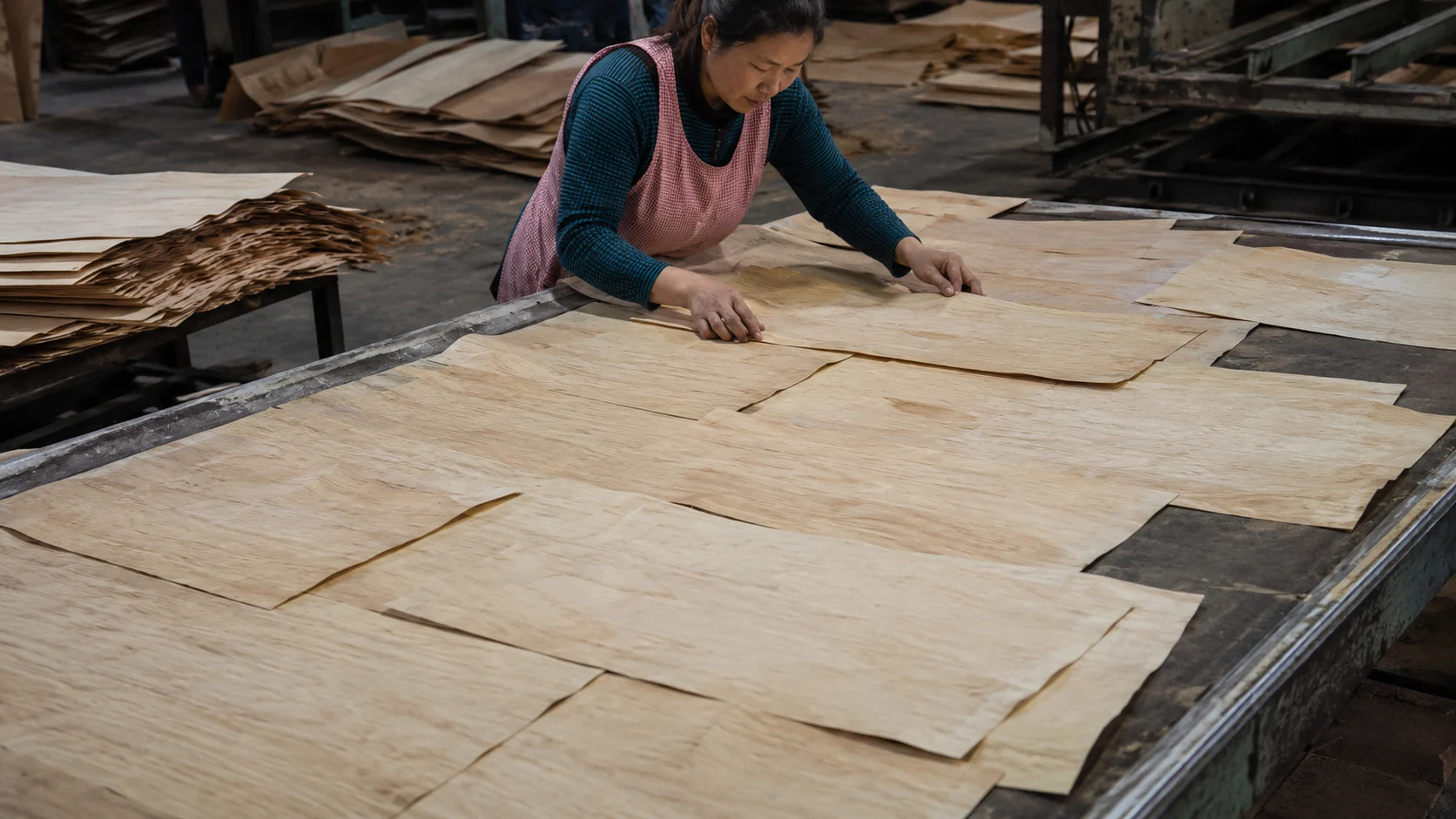
Because the process is manual, it is more difficult to maintain the same level of accuracy across every sheet. As a result, plywood made with hand-jointed core may have a higher risk of internal defects.
Common Risks of Hand Core Jointing
- Core holes caused by poor veneer arrangement.
- Core overlap due to uneven manual joining.
- Lack of core in some areas of the board.
- Lower structural stability.
- Lower load-bearing performance.
- Higher risk of surface unevenness after pressing.
- Inconsistent quality between plywood sheets.
These defects may lead to weaker plywood, especially when the board is used for demanding applications such as concrete formwork, furniture parts, bed slats, flooring, or CNC-cut components.
You can learn more about common plywood issues in our article about common defects in plywood and how to avoid them.
Core Joint by Composer Machine vs Core Joint by Hand
The difference between machine core jointing and hand core jointing is not only about production method. It directly affects the final plywood performance.
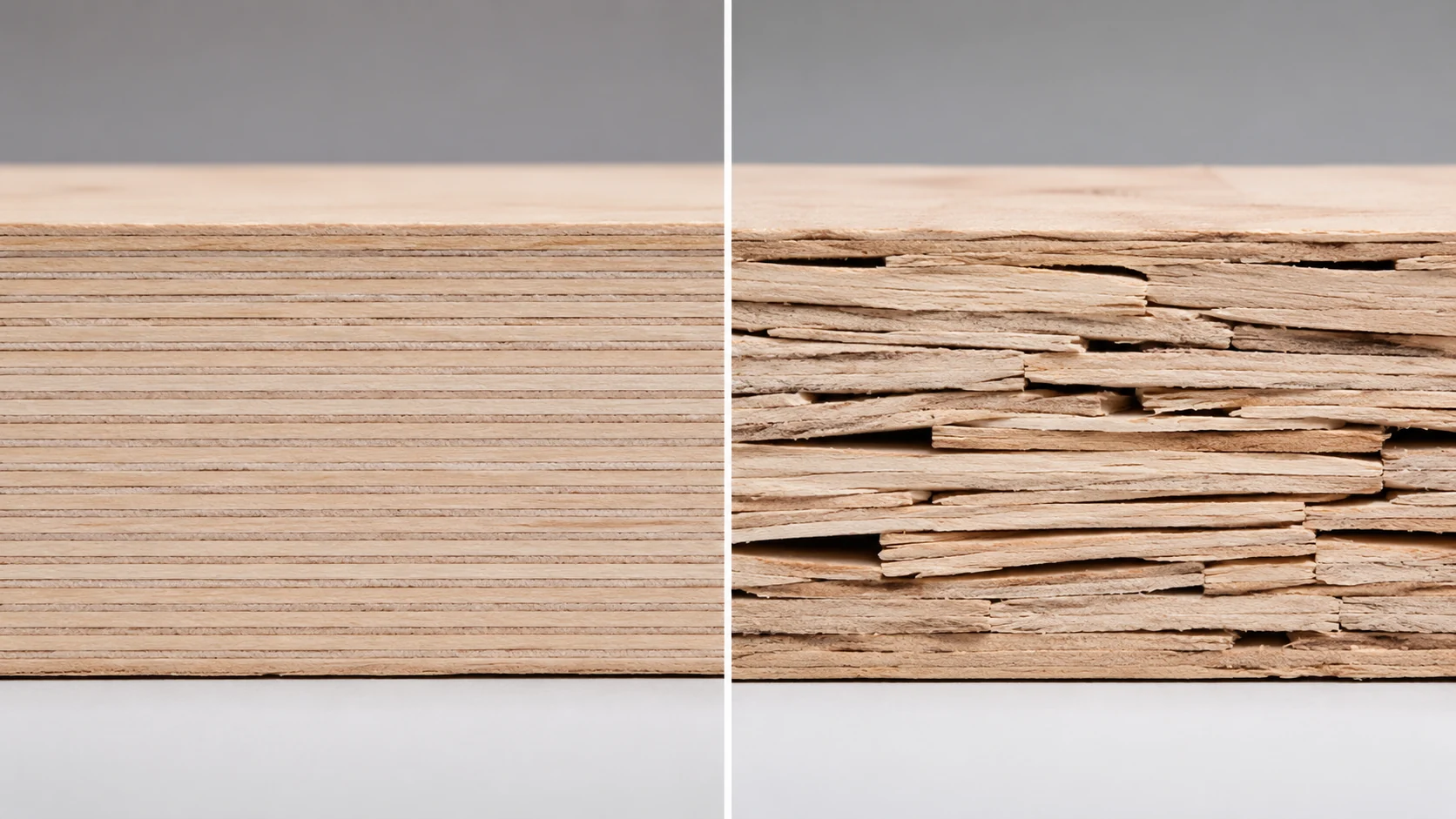
| Comparison Factor | Core Joint by Composer Machine | Core Joint by Hand |
|---|---|---|
| Core alignment | More accurate and consistent | Depends on worker skill |
| Core gap risk | Lower risk of core gap | Higher risk of empty spaces between core pieces |
| Core overlap risk | Lower risk of core overlap | Higher risk of overlapping veneer pieces |
| Board structure | More stable and uniform | Less consistent |
| Load-bearing capacity | Better structural performance | May have lower bearing strength |
| Surface quality | More even surface after pressing | Higher risk of uneven surface |
| Bulk order consistency | More suitable for export and B2B orders | Quality may vary between sheets |
| Best use cases | Premium plywood, formwork, furniture, bed slats, CNC cutting | Low-cost plywood or less demanding applications |
Why Core Gaps and Core Overlap Matter
Many buyers focus only on plywood surface, thickness, price, or glue type. However, the hidden core quality can be just as important.
A plywood sheet may look smooth from the outside, but if the internal core has gaps, overlap, or missing veneer, it can become weaker during use.
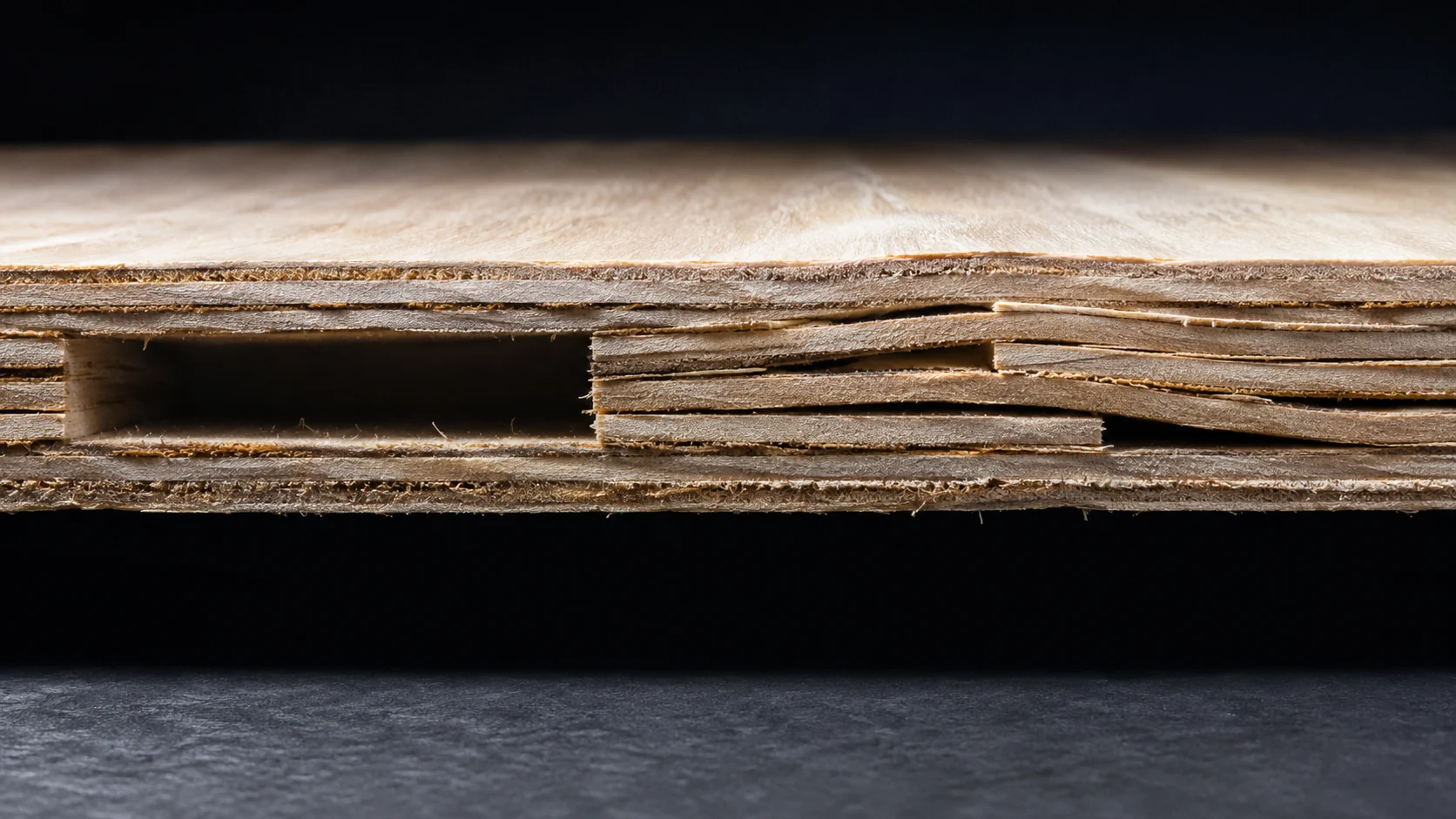
Core Gap
A core gap is an empty space between veneer core pieces. This can reduce the strength of the plywood because some areas inside the board are not fully supported.
In practical use, core gaps can lead to:
- Lower bending strength.
- Weak spots inside the board.
- Higher risk of cracking or breaking under load.
- Poor screw-holding performance.
- Problems when cutting plywood into smaller parts.
Core Overlap
Core overlap happens when veneer pieces are placed on top of each other instead of being joined evenly. This creates uneven thickness inside the plywood.
Core overlap can cause:
- Uneven board surface.
- Higher pressure points during hot pressing.
- Poor bonding in some areas.
- Surface defects after sanding or film pressing.
- Lower dimensional stability.
For applications that require better strength, such as high bending strength plywood, controlling core gap and core overlap is very important.
Why Kosmex Uses Composer Machine for Better Core Quality
At Kosmex, we focus on stable plywood quality for export and B2B applications. That is why our premium plywood products use core joint by composer machine instead of relying only on hand-jointed core.
This allows us to produce plywood with:
- No core overlap in premium core structure.
- Reduced core gap risk.
- More stable internal structure.
- Better strength and durability.
- Higher bearing capacity.
- More consistent quality across export orders.
Compared with suppliers that use manual core jointing, Kosmex can offer a more reliable core structure, especially for products that need better performance under pressure, moisture, cutting, or repeated use.
Applications That Need Better Core Joint Quality
Not every plywood application has the same performance requirement. However, in many B2B and industrial uses, better core jointing can make a significant difference.
1. Film Faced Plywood for Formwork
Film faced plywood is used in concrete formwork, where the board must resist pressure from wet concrete and repeated use on construction sites.
If the core has gaps or overlap, the board may have lower structural strength and shorter service life. With composer machine core jointing, Kosmex premium film faced plywood has a stronger and more stable core.
For more information, you can read our guide on formwork plywood.
2. Commercial Plywood for Furniture
Commercial plywood is often cut, drilled, laminated, or used as furniture panels. Poor core jointing can cause delamination, weak edges, or uneven finishing.
Kosmex commercial plywood is designed for more stable performance, using selected core grades and controlled production. This is especially important when plywood is cut into smaller sheets or components.
3. Bed Slats
Bed slats need good load-bearing capacity because they support the mattress and user weight. A weak internal core can reduce durability and increase the risk of bending or breaking.
Kosmex can produce full rubber bed slats with high density, stable surface, edge sanding, and core structure with no overlap and no core gap. This helps improve both strength and appearance.
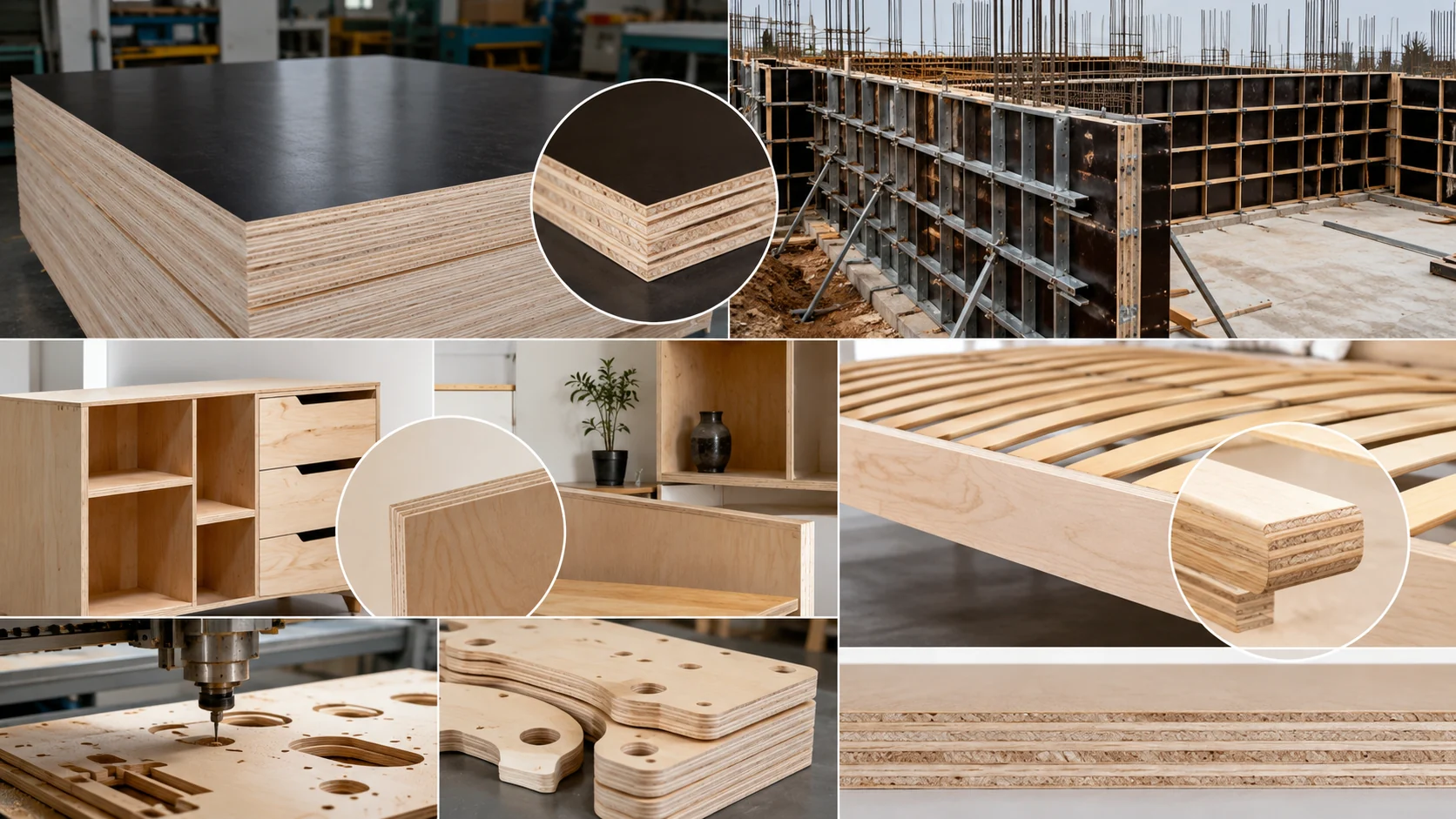
4. CNC-cut Plywood Components
For CNC cutting, poor internal core quality can create problems such as edge chipping, delamination, weak parts, or poor finishing quality.
A stable core structure helps plywood perform better during cutting, routing, sanding, and painting. This is important for furniture manufacturers and buyers who need custom plywood components.
Kosmex also provides customized CNC cutting service for plywood and wood-based panels.
How Better Core Jointing Supports Plywood Strength
Plywood strength does not come from one factor alone. It depends on veneer quality, core arrangement, glue quality, pressing parameters, moisture control, and final QC.
However, core joint quality is one of the key factors that directly affects structural performance.
When the core is joined properly:
- The board has fewer weak points.
- Pressure is distributed more evenly.
- The surface becomes more stable after pressing.
- Bonding strength is more consistent.
- The plywood performs better during cutting and installation.
This is why buyers should not only compare plywood by price. A cheaper board with poor core jointing may create higher costs later due to product failure, complaints, rejected shipments, or shorter service life.
How Buyers Can Check Core Joint Quality
Since core defects are often hidden inside the board, buyers should evaluate plywood quality carefully before placing large orders.
Buyer Checklist
- Ask the supplier whether the core is jointed by composer machine or by hand.
- Check cross-section samples to identify core gaps or overlap.
- Request plywood samples before bulk order.
- Check whether the board has consistent thickness.
- Ask about core species, such as acacia, eucalyptus, or rubber.
- Ask about glue type, such as MR, melamine, phenolic, or WBP.
- Review QC process and test reports if required.
You can also read our guide on how to evaluate a Vietnam plywood factory before choosing a supplier.
Why Choosing the Right Supplier Matters
In plywood sourcing, small differences in production method can create big differences in final quality. Two sheets may look similar from the outside, but the internal core structure may be completely different.
A supplier using manual core jointing may offer a cheaper price, but buyers may face higher risks such as:
- Lower bending strength.
- Shorter service life.
- More surface defects.
- Higher rejection rate.
- Inconsistent quality between shipments.
By contrast, Kosmex uses composer machine core jointing for premium plywood products to improve core stability and reduce internal defects. This supports better performance for export markets and demanding B2B applications.
To understand more about our production and inspection system, visit our plywood QC process.
Conclusion: Composer Machine Core Jointing Creates Better Plywood Quality
When comparing core joint by composer machine and core joint by hand, the difference is clear. Machine core jointing provides better accuracy, fewer core defects, and more stable plywood performance.
For buyers who need plywood for formwork, furniture, bed slats, flooring, or CNC-cut components, the internal core structure should not be ignored. A stable core helps improve strength, durability, surface quality, and long-term performance.
At Kosmex, we use composer machine core jointing to produce higher-quality plywood with no core overlap, reduced core gap, and stronger structural performance. This is one of the key reasons why Kosmex plywood is a reliable choice for B2B buyers and importers.
Looking for High-quality Plywood with Stable Core Structure?
Contact Kosmex to discuss your plywood requirements, including core type, glue type, thickness, surface grade, film weight, and target application.
FAQs About Core Joint in Plywood
What is core joint in plywood?
Core joint is the process of joining veneer core pieces together before they are assembled into plywood layers. Good core jointing helps create a stable and strong internal plywood structure.
Is core joint by composer machine better than core joint by hand?
Yes. Core joint by composer machine usually provides better accuracy, fewer core gaps, less overlap, and more consistent plywood quality compared with manual hand jointing.
Why are core gaps bad for plywood?
Core gaps create empty spaces inside the board. These weak areas can reduce bending strength, screw-holding ability, surface stability, and load-bearing performance.
What is core overlap in plywood?
Core overlap happens when veneer pieces are placed over each other unevenly. This can cause uneven thickness, poor bonding, surface defects, and lower dimensional stability.
Which plywood applications need better core jointing?
Applications such as film faced plywood for formwork, commercial plywood for furniture, bed slats, flooring, and CNC-cut plywood parts require better core joint quality for stronger and more stable performance.
Bình luận