


Sande Plywood vs Birch: Which Plywood Is Better for Cabinets, Furniture & Shelving?
When choosing plywood for furniture, cabinets or interior projects, many builders and woodworkers often compare sande plywood vs birch. Both materials are widely available and commonly used for painted finishes, shelving, and cabinetry, yet they differ significantly in strength, surface quality, stability, and long-term performance.

This guide breaks down the key differences between sande plywood vs birch plywood, helping you determine which option is better suited for your specific application and budget.
What Is Sande Plywood?
Sande plywood consists of an engineered panel formed by bonding multiple thin layers of veneer from the Brosimum utile tree, a tropical hardwood originating mainly from regions in Central and South America. The veneers are arranged with grain directions alternating at right angles, a construction method that imparts notable strength and resistance to dimensional changes. Standard offerings include thicknesses ranging from half an inch to one inch, with the classic four-foot by eight-foot sheet size dominating retail inventories.

The origin of sande wood lies in fast-growing tropical forests, contributing to its positioning as a relatively sustainable resource for plywood manufacturing. Panels typically comprise five to nine plies, depending on thickness, presenting a pale light brown or pinkish coloration accompanied by a fine and consistent grain pattern that appears subtler than many competitors. The surface exhibits a degree of softness and porosity, which occasionally leads to minor splintering during cutting operations unless appropriate techniques and sharp tooling are employed.
In terms of mechanical performance, sande plywood demonstrates respectable attributes for its category. Janka hardness registers around 810 pounds-force, placing it in a range comparable to certain oak varieties. Bending and tensile strengths support moderate loading scenarios, such as shelving designed to accommodate 20 to 30 pounds per linear foot across limited spans without pronounced deflection. Stability against shape distortion proves adequate under normal conditions, though uneven moisture exposure can induce twisting or cupping over extended periods. Careful handling and storage practices help preserve integrity throughout the material’s service life.
What is Birch Plywood?
Birch plywood is manufactured from thin veneers sourced from birch trees, valued for their dense structure, uniform composition, and reliable performance across a wide range of applications. On the market, birch plywood is commonly available in several forms, including standard commercial grades, UV-coated panels for enhanced surface protection, and premium Baltic birch plywood produced in Northern Europe or Russia. Baltic birch is widely regarded as a high-end option due to its thicker individual veneers – often around one millimeter per layer and a tightly bonded core with minimal voids, making it well suited for precision-driven and premium woodworking projects.
Check out birch plywood products at great prices at Kosmexgroup HERE
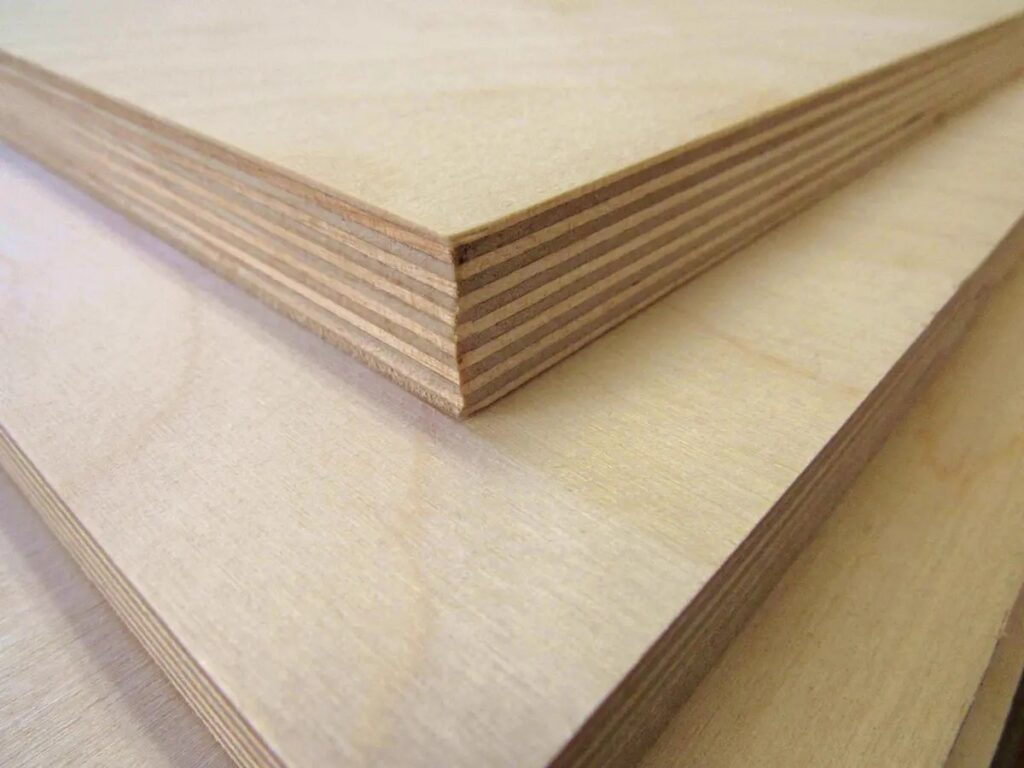
However, Vietnamese birch plywood, such as products supplied by Kosmex, has rapidly become a highly competitive alternative. By applying strict core selection, consistent veneer thickness control, and high-quality adhesive systems, Kosmex birch plywood delivers excellent flatness, structural stability, and machining performance comparable to Baltic birch -while offering significantly more competitive pricing. This balance between quality and cost makes Kosmex birch plywood one of the best-value options on the market, particularly for cabinet manufacturing, furniture production, and large-scale commercial projects.
Structurally, birch plywood benefits from cross-laminated construction that minimizes warping and dimensional movement. Internal voids are rare, ensuring uniform strength throughout the panel and supporting accurate cutting, routing, drilling, sanding, painting, and staining. The face veneer typically features a light cream to pale yellow tone with subtle, attractive grain patterns, and the material responds well to bending and shaping processes. With an average density ranging from 650 to 700 kg/m³, birch plywood offers high rigidity and load-bearing capacity compared to many other hardwood plywood alternatives.
Sande Plywood vs Birch Plywood: Side-by-Side Comparison
Physical properties reveal noticeable contrasts between the two materials. Density measurements show sande plywood occupying the lower range of 450 to 600 kilograms per cubic meter, facilitating easier transport and handling during installation. Birch plywood, registering 650 to 700 kilograms per cubic meter, imparts greater mass that correlates with improved stiffness. Grain structures differ markedly, with sande presenting a finer yet more porous arrangement, while birch features straighter, more defined lines that enhance visual interest. Surface smoothness proves achievable on both, although birch inherently delivers flatter results with reduced splintering risks during processing.
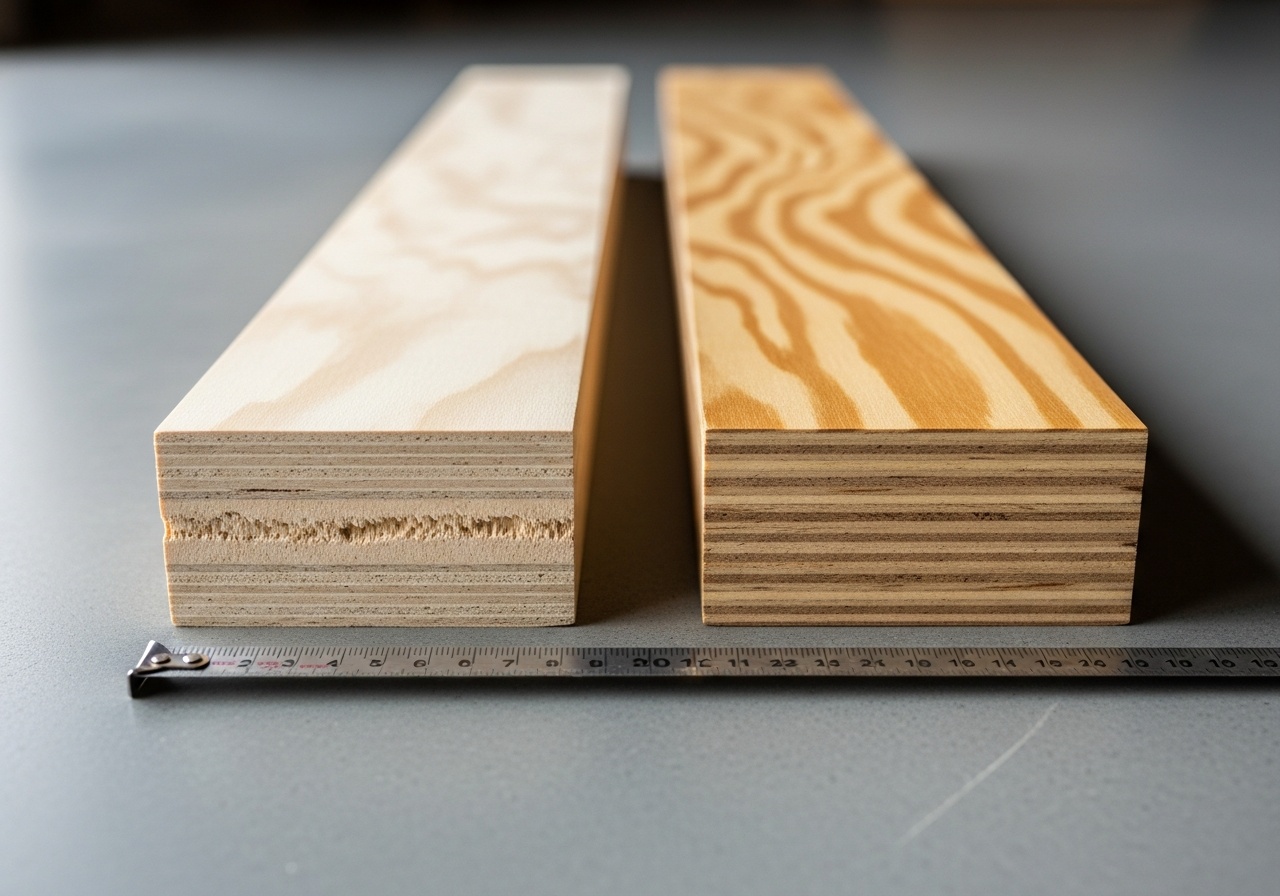
When evaluating strength and stability, birch plywood consistently demonstrates superiority in load-bearing scenarios, exhibiting higher tensile and bending values that minimize sagging or deformation under sustained weights. Resistance to warping remains stronger due to denser composition and tighter ply construction. Sande plywood performs adequately for lighter duties but may exhibit greater susceptibility to long-term environmental influences or point loads owing to its relative softness and occasional core inconsistencies.
Sande vs Birch Plywood for Cabinets
Birch plywood emerges as the preferred option for cabinet construction in numerous professional and enthusiast discussions. Its inherent flatness reduces preparatory work, clean edges improve joinery quality, and robust screw-holding capability supports heavy drawer contents or door hardware. The material accommodates high-end finishes seamlessly, suiting painted, stained, or veneered applications in kitchen or bathroom settings where longevity and appearance command priority.
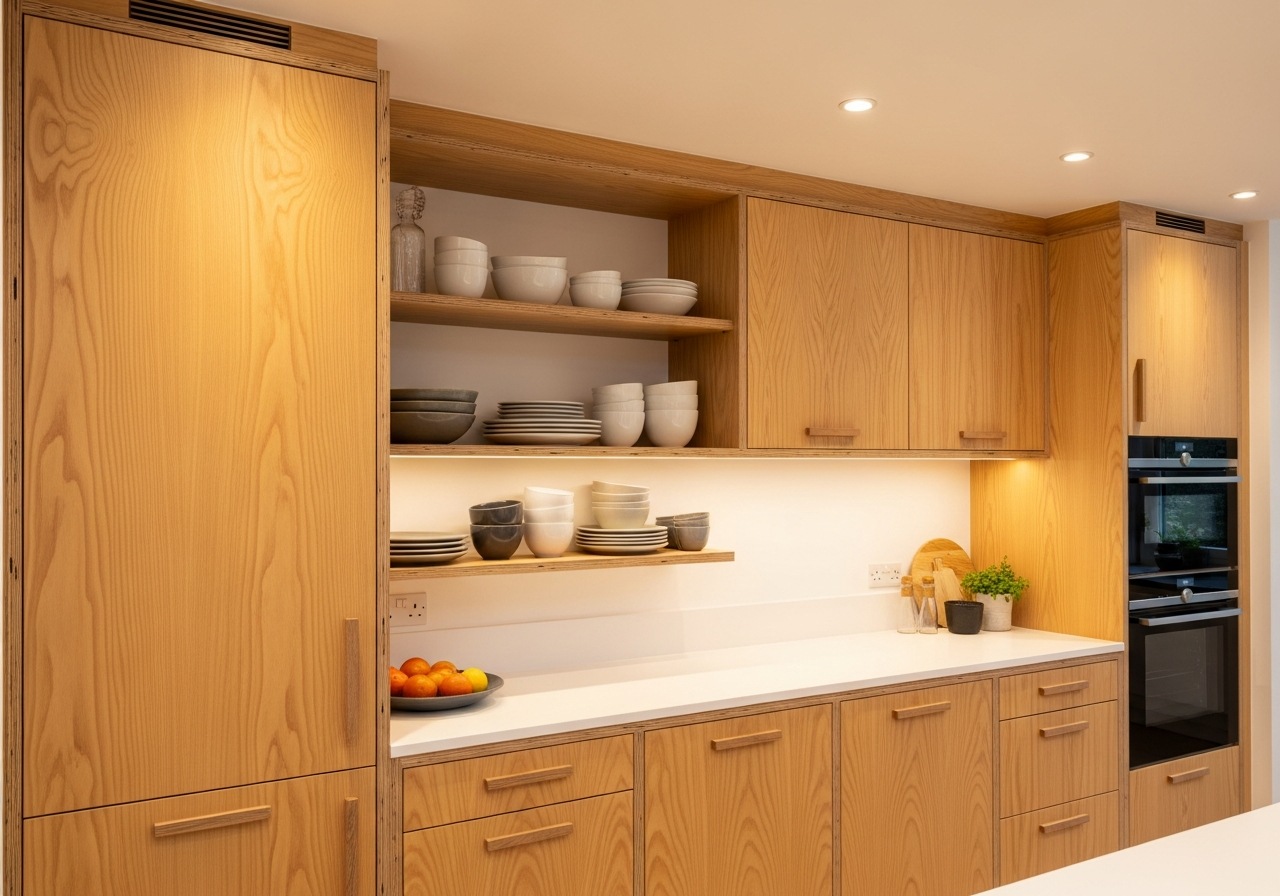
Sande plywood presents a compelling alternative for cost-conscious cabinet projects. When properly sanded and sealed, its surface yields acceptable smoothness, and the lower acquisition cost allows allocation of resources elsewhere. However, increased porosity often necessitates additional priming and coating layers to prevent uneven absorption, and softer composition may limit performance in high-wear installations.
For further insights into selecting plywood suited to cabinetry, readers may refer to our detailed resource on plywood grades which outlines quality classifications and their implications for visible applications.
Sande Plywood vs Birch: Finish, Paint & Surface Prep
Birch plywood facilitates superior finishing outcomes thanks to its uniform density and lower porosity, enabling even application of paints, stains, or clear coats with fewer preparatory steps. Sande plywood, while capable of attractive results, frequently requires intensive sanding sequences, multiple primer coats, and sometimes fillers to compensate for surface irregularities and absorption tendencies.
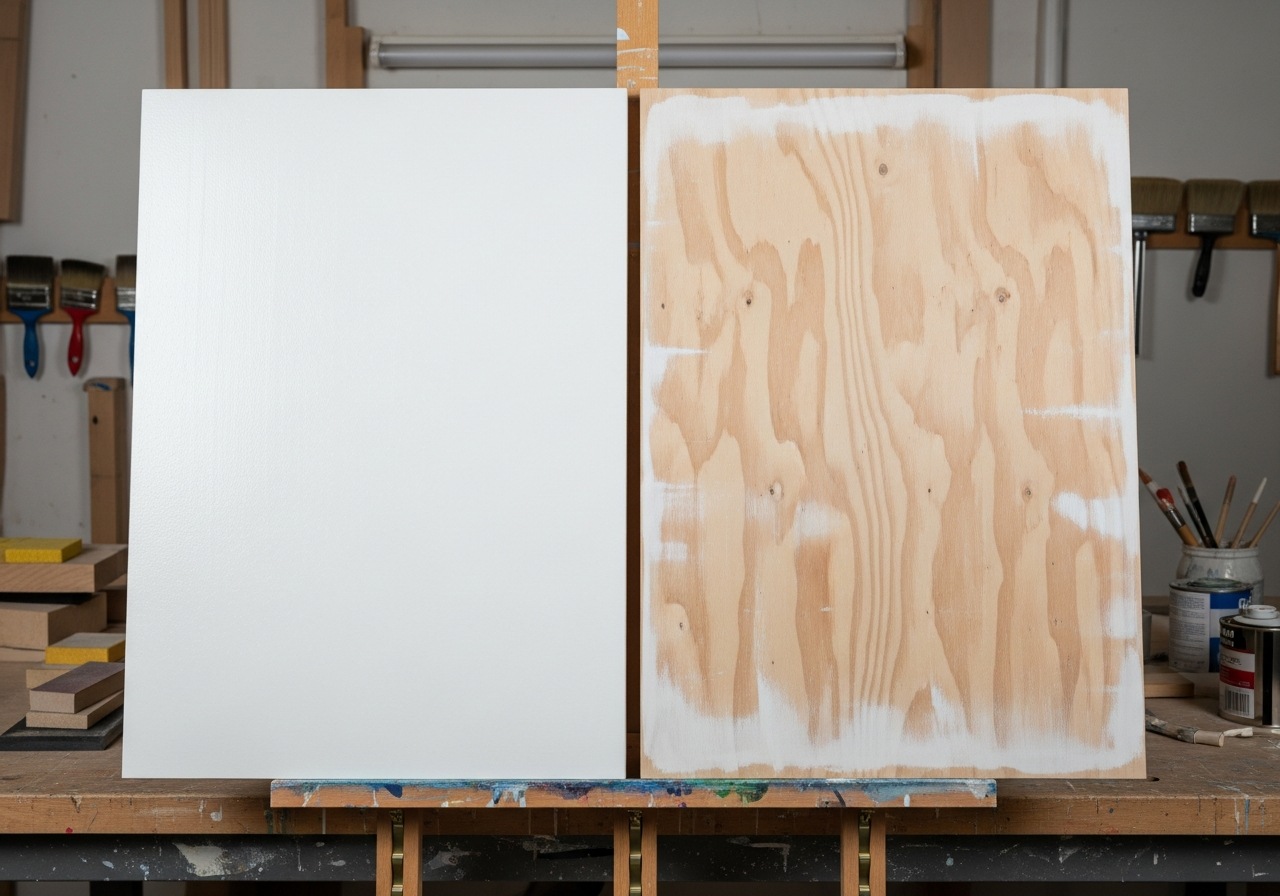
Community experiences reinforce this pattern, with many noting birch’s straightforward workflow compared to the extra diligence demanded by sande during surface preparation phases.
Explore practical techniques in our guide on how to finish birch plywood for achieving professional-grade results.
Sande Plywood vs Birch for Shelving & Furniture
Sande plywood serves adequately in shelving configurations intended for lighter contents over modest spans, offering economical coverage for storage solutions in closets or utility areas. Heavier loads or extended unsupported lengths heighten risks of deflection or eventual sagging.
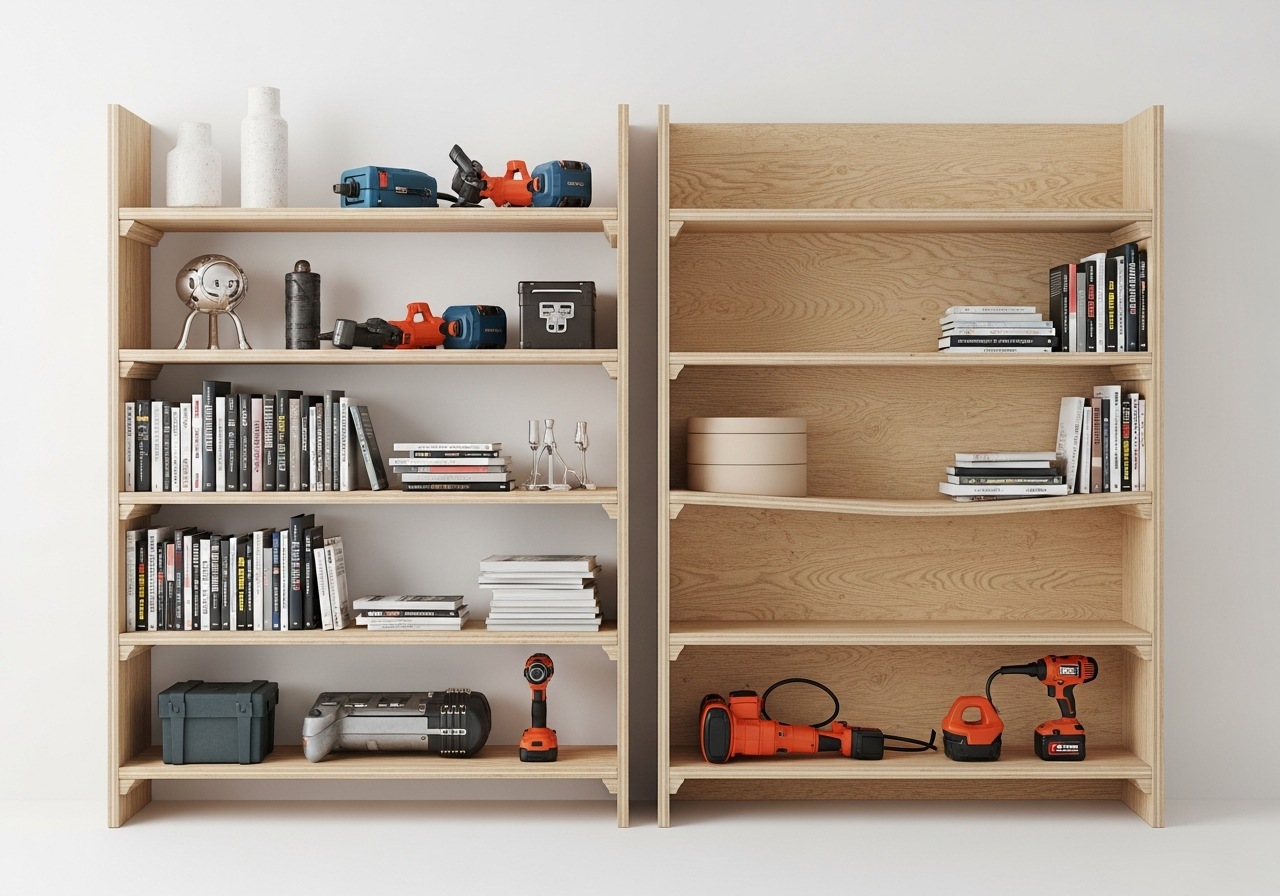
Birch plywood provides distinct advantages for demanding shelving and furniture applications, delivering reduced deflection under load and enhanced overall stiffness that maintains level surfaces over time. This quality proves particularly valuable in bookcases, media units, or garage organizers subject to variable weights.
Discover additional ideas for incorporating birch in furniture projects through our article on birch plywood furniture ideas.
Sande Plywood vs Sanded Plywood (Common Confusion)
The frequent interchange of terms between sande plywood and sanded plywood leads to misunderstandings. Sande derives from a tropical hardwood source, conferring greater inherent strength and a refined grain compared to typical sanded pine plywood, which relies on softwood veneers and offers lower durability at a reduced price point.
Sande vs Maple vs Birch Plywood
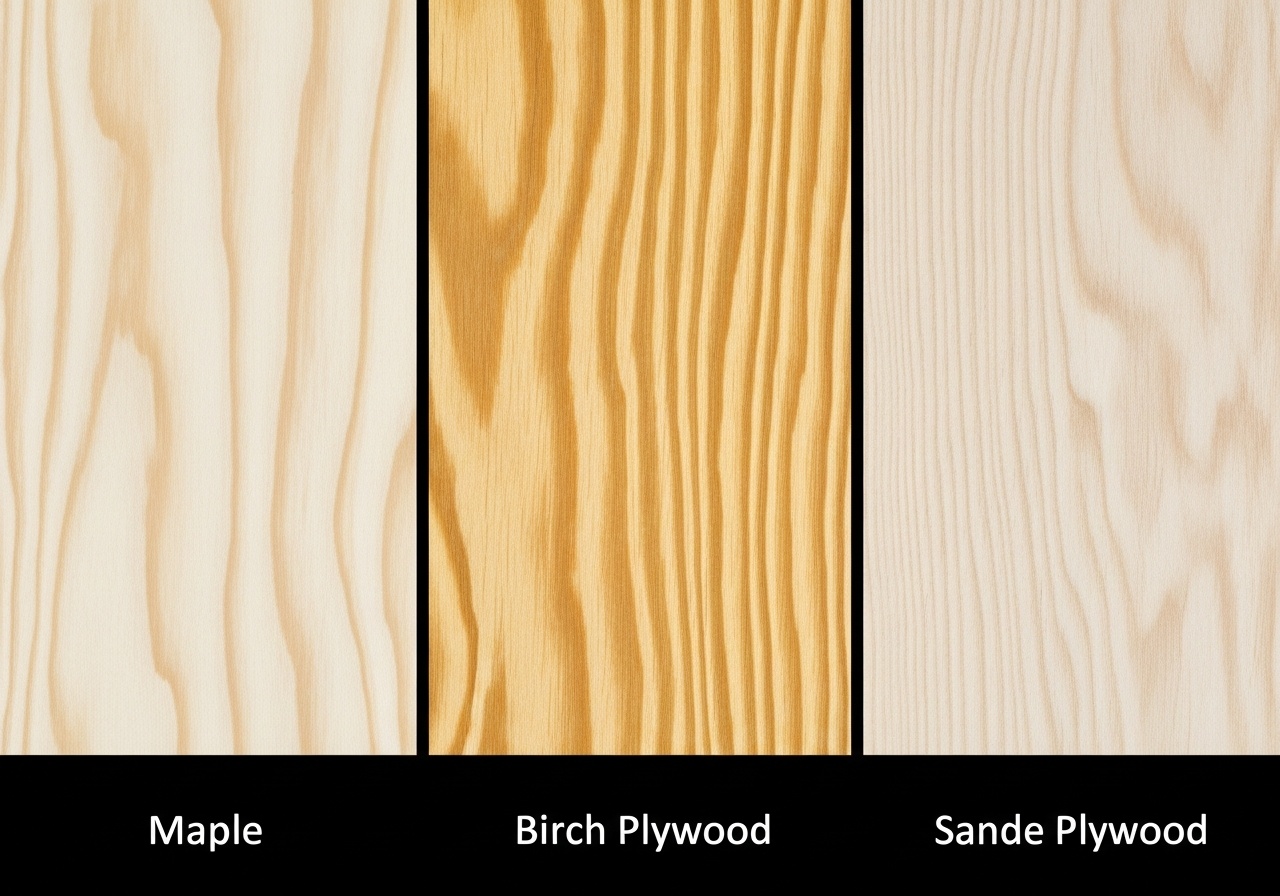
Expanding the comparison to include maple plywood highlights further nuances. Maple surpasses both in hardness and fine grain detail, suiting ultra-durable surfaces like countertops or high-traffic cabinetry. Birch strikes an effective balance between strength, workability, and moderate cost for versatile furniture and shelving. Sande remains the budget-oriented selection for non-critical structural elements or projects prioritizing economy over maximum performance.
Cost & Availability Comparison
Market pricing for standard four-foot by eight-foot sheets in three-quarter-inch thickness fluctuates regionally but generally positions sande plywood in the range of fifty to seventy dollars, reflecting its accessible positioning. Commercial birch plywood tends toward seventy to one hundred dollars, while premium Baltic birch variants exceed one hundred dollars depending on supplier and grade.
Big-box retailers stock both materials conveniently, though dedicated woodworking suppliers often provide superior consistency and volume discounts. Consulting wholesalers frequently yields better value for larger quantities.
For guidance on standard dimensions and their applications, consult our complete overview in the standard plywood sizes complete guide.
Pros & Cons Summary Table
The following table presents a detailed side-by-side evaluation:
| Aspect | Sande Plywood | Birch Plywood |
|---|---|---|
| Density (kg/m³) | 450 – 600 (lighter, easier handling) | 650 – 700 (greater stiffness) |
| Janka Hardness | Approximately 810 lbf | Higher (typically 1,260–1,450 lbf for birch species) |
| Surface Porosity | Higher (requires more primer and sanding) | Lower (even finish absorption) |
| Grain Appearance | Fine, subtle, pale tones | Pronounced, golden-yellow with visible figuring |
| Strength & Load Bearing | Adequate for light to medium duties; moderate sag resistance | Superior bending/tensile strength; excellent sag resistance |
| Stability (Warping) | Moderate; sensitive to uneven moisture | Excellent; cross-lamination minimizes distortion |
| Ease of Finishing | Demands extra preparation steps | Straightforward; minimal prep needed |
| Screw Holding | Good | Excellent |
| Typical Cost (3/4″ 4×8) | $50–70 | $70–100+ (commercial); higher for Baltic |
| Best For | Budget cabinets, light shelving, utility furniture | Premium cabinets, heavy-duty shelving, visible furniture |
Sande plywood vs Birch FAQs
Is birch plywood better than sande plywood?
Birch plywood generally outperforms in strength, stability, and finishing ease, rendering it superior for quality-focused projects, though sande suffices admirably when cost constraints dominate.
What is sande plywood used for?
Sande plywood finds application in budget-oriented cabinets, shelving installations, furniture carcasses, and packaging solutions where economical performance meets basic requirements.
What kind of wood is sande plywood made of?
Sande plywood utilizes veneers from the Brosimum utile tropical hardwood tree, primarily harvested in Central and South American regions.
Is sande plywood good for shelving?
Sande plywood performs satisfactorily for light-duty shelving with appropriate supports and span limitations; heavier applications benefit from reinforcement or alternative materials.
Sande plywood vs Baltic birch – what’s the difference?
Baltic birch features void-free construction, thicker plies, and enhanced uniformity for premium demands, whereas sande offers affordability with more variability in core quality.
Baltic birch vs sande plywood for cabinets?
Baltic birch excels in high-end, durable cabinetry requiring precision and longevity; sande provides viable savings for utility or secondary cabinet builds.
For a broader understanding of plywood varieties, explore our types of plywood complete guide.
Conclusion
Birch plywood distinguishes itself through outstanding stability, straightforward workability, and ideal suitability for elevated cabinetry, refined furniture, and robust shelving installations. Its attributes support professional outcomes with reduced complications across diverse finishing methods.
Sande plywood delivers substantial value as a cost-effective substitute, proving effective when users accommodate additional surface preparation time and prioritize budget efficiency over peak performance metrics.
The optimal selection ultimately depends on aligning material properties with specific project objectives, financial parameters, and finishing expectations. Demanding or aesthetically prominent elements favor birch, while straightforward storage or economical constructions accommodate sande effectively.
Need assistance determining the best plywood solution for your upcoming cabinets, furniture builds, or export requirements? Reach out for tailored recommendations and up-to-date options. Explore related resources including our birch plywood complete guide for deeper insights.



Bình luận